



Why the Mahamrityunjaya Mantra Is a Prayer of Protection

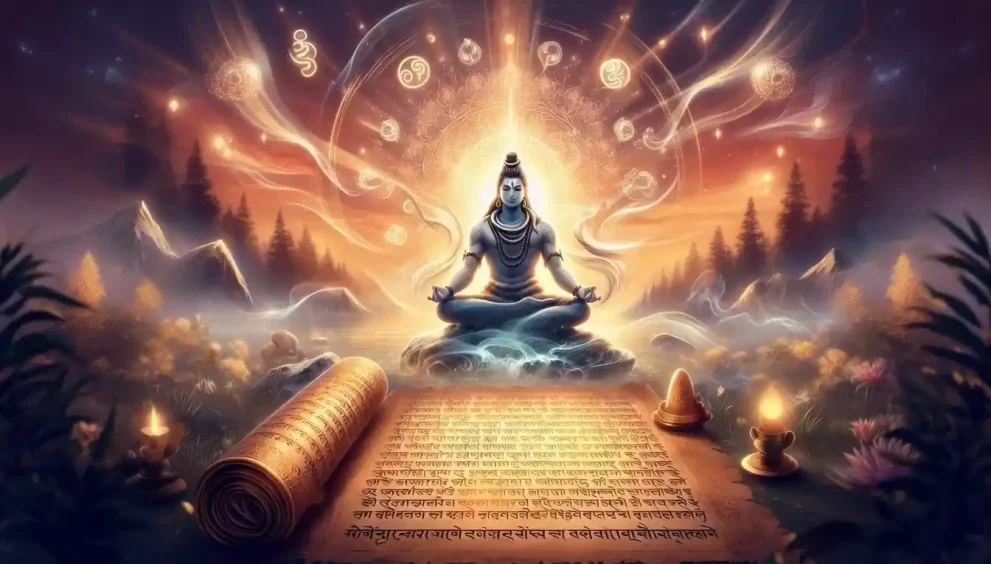
Why the Mahamrityunjaya Mantra Is a Prayer of Protection
How a “Conqueror of Death” Prayer Brought Peace in a Moment of Deep Crisis
There was a night I’ll never forget—a night when hope felt distant, fear was loud, and every second felt like an eternity.
My best friend, someone vibrant and full of life, had collapsed unexpectedly. In the emergency room, faces blurred together—doctors, nurses, worried family members. Machines beeped in patterns that made the heart pound faster. In that fragile moment, everything felt uncertain. Fear became a physical weight that seemed impossible to shake.
Then, instinctively, I began repeating an ancient chant I had learned years earlier during a spiritual retreat focused on meditation and sound healing. It was not a prayer I fully understood at the time, but something about its rhythm and meaning had stayed with me:
Om Tryambakam Yajamahe
Sugandhim Pushtivardhanam
Urvarukamiva Bandhanan
Mrityor Mukshiya Maamritat
As the words flowed out in chant after chant, something remarkable began to happen. The panic in my chest eased. A calm presence settled within. It was as though, with every repetition, fear lost just a bit more of its grip.
By the next morning, my friend started showing signs of recovery—very slowly, but unmistakably. Doctors called it “unexpected progress.” For those of us who had stayed up all night chanting, it felt nothing short of a miracle.
That chant is the Mahamrityunjaya Mantra—a prayer rooted in ancient Vedic wisdom, revered as a mantra that heals, protects, and liberates.
This is its story—and how it can support healing, soothe fear, and fortify the heart and mind in times of uncertainty.
What Is the Mahamrityunjaya Mantra?
The Mahamrityunjaya Mantra—often translated as the Great Death-Conquering Mantra—is one of the oldest and most powerful prayers in the Hindu spiritual tradition. It is a devotion to Lord Shiva, the embodiment of transformation, deep stillness, and ultimate liberation from suffering.
Unlike prayers that ask for material comfort or temporary relief, this mantra addresses something deeper:
the human fear of death, suffering, and the unknown.
It is recited for:
- Healing from illness
- Protection from danger or accidents
- Emotional resilience in turbulent times
- Reducing anxiety and fear of loss
- Spiritual freedom and peace
The mantra is ancient—dating back thousands of years to the Rig Veda, one of the oldest known spiritual texts in human history. Yet its relevance is timeless, and Americans from varied backgrounds are drawn to it for comfort, meaning, and emotional healing.
The Mantra Itself: Sanskrit + Meaning
In Sanskrit
Om Tryambakam Yajamahe
Sugandhim Pushtivardhanam
Urvarukamiva Bandhanan
Mrityor Mukshiya Maamritat
A Line-by-Line Translation
- Om — The universal sacred sound, representing the essence of the cosmos.
- Tryambakam — “The Three-Eyed One,” a reference to Shiva’s ability to see beyond the surface—past, present, and future.
- Yajamahe — “We worship and revere with devotion.”
- Sugandhim — “The fragrant one,” symbolizing purity and spiritual depth.
- Pushtivardhanam — “That which nourishes and strengthens.”
- Urvarukamiva Bandhanan — “Like a ripe fruit that naturally separates from its vine.”
- Mrityor Mukshiya — “Liberate us from death, not violently, but peacefully.”
- Maamritat — “Lead us toward spiritual immortality.”
Why a ‘Death-Conquering’ Mantra for Healing?
Many Americans may read the title “Conqueror of Death” and wonder: Isn’t that dramatic? Isn’t that extreme?
Not at all.
This mantra does not seek to defy physical death or grant immortality in the literal sense. It seeks to dissolve the fear of death, which is often the greater suffering than death itself. It invites practitioners to:
- Face mortality with calm awareness
- Release anxiety rooted in fear of loss
- Transform emotional pain into spiritual growth
- Build inner peace that persists even in crisis
The imagery of the ripe fruit separating from its vine carries tremendous meaning:
When a fruit is truly ripe, it doesn’t cling to the vine—it lets go naturally.
This mantra asks for a similar type of freedom—a peaceful release from life’s fears rather than a desperate grasp for mere survival.
The Neuroscience of Chanting
The Mahamrityunjaya Mantra also aligns beautifully with what modern science tells us about sound, breath, and brain waves:
 Deep Repetition Reduces Stress
Chanting activates the relaxation response—lowering stress hormones like cortisol.
Focused Breath Calms the Nervous System
When you synchronize chant with breath, it activates the vagus nerve—the key to calming the fight-or-flight response.
Sound Vibration Harmonizes Brainwaves
Steady repetition of sacred sound encourages alpha and theta brainwave states associated with peace, healing, and meditation.
These physiological changes are part of why many Americans report significant relief from:
- Anxiety
- Depression
- Insomnia
- Chronic stress
This prayer is not just spiritual—it’s embodied healing.
Spiritual Benefits of the Mahamrityunjaya Mantra
 Emotional Healing
- Soothes trauma and grief
- Offers comfort during loss
- Guides the heart toward acceptance
Karmic Cleansing
Many spiritual traditions understand suffering as an opportunity for inner purification. This mantra assists in releasing emotional blocks and unresolved grief.
Fearlessness
Whether the fear is of:
- death
- illness
- career uncertainty
- loss of relationships
The mantra strengthens emotional resilience.
Modern American Benefits: Beyond Tradition
 Stress Relief
In a culture filled with noise, pressure, and performance demands, the calming rhythm of this mantra is a powerful antidote.
Immune Support
Through slower breathing and lower stress, chanting can have positive effects on physical immunity.
Improved Sleep
Many practitioners find that chanting before bedtime significantly improves sleep quality.
Clarity in Uncertainty
When life feels unpredictable, chant becomes a grounding anchor—offering peace when the mind spins with “what-ifs.”
How to Chant the Mahamrityunjaya Mantra for Healing
1. Create a Peaceful Space
Choose a quiet corner in your home or outdoors. If you like, light a candle or incense to symbolize entering a sacred space.
2. Comfortable Posture
Sit cross-legged or on a chair with a straight spine. Close your eyes gently.
3. Begin with Deep Breaths
Take several calm, slow breaths to settle your awareness.
4. Chant with Devotion
Repeat the mantra aloud or silently. The vibrations matter more than volume.
5. Recommended Count
- 108 repetitions daily is ideal
- 11 or 21 repetitions are beneficial during stress
- If crisis is intense: continue without stopping
6. Optional Offering
In traditions where it’s practiced, a bel leaf or fresh flowers may be offered as a symbol of devotion—but this is not required. What truly matters is sincerity.
Morning vs Evening: When Should You Chant?
- Sunrise — invites new beginnings and mental clarity
- Sunset — supports emotional release and deep peace
- Anytime of crisis — chant whenever fear arises
Precautions & Best Practices
- Approach chant with respect and intention
- Avoid mechanical repetition without awareness
- If tired or overwhelmed, slow down the pace
- It’s not a magic spell—it’s a spiritual practice that unfolds meaningfully over time
Combining Chanting with Breathwork & Movement
For deeper healing, combine mantra with:
 Breathwork
Try calm rhythmic breathing (like box breath or alternate nostril breathing) before chanting.
Gentle Yoga
Postures that open the chest and calm the nervous system (like Child’s Pose, Legs-Up-Wall, or Savasana) harmonize beautifully with mantra.
Meditation
Follow chanting with a few minutes of silent meditation to absorb the energy.
American Stories of Healing & Transformation
Across the United States, people from many backgrounds report powerful experiences with this mantra:
- A veteran finding relief from PTSD
- A mother healing from loss and fear of the unknown
- A cancer patient discovering strength amid treatment
- A student using chanting to calm anxiety before exams
These aren’t isolated spiritual tales—these are lived experiences in modern America.
40-Day Practice Plan for Deep Transformation
If you’d like to build a deeper connection with the mantra:
Week 1–2
- Chant 21 times daily with awareness
- Focus on calm breath
- Keep a journal of emotional shifts
Week 3–4
- Increase to 54 chants
- Add gentle breathwork before chanting
Week 5–6
- Chant 108 times daily
- Meditate for 10 minutes afterward
Week 7–8
- Maintain 108 chants
- Observe emotional peace, stress reduction, inner strength
After 40 days, most practitioners notice:
- Significant reduction in anxiety
- Greater self-acceptance
- Deeper sense of spiritual resilience
Why This Matters in Today’s World
We live in a time of:
- Global uncertainty
- Health fears
- Environmental anxiety
- Economic shifts
And yet the quest for peace, meaning, and emotional stability has never been more universal.
The Mahamrityunjaya Mantra offers: a bridge between ancient wisdom and modern life a healing tool for the heart and nervous system a practice that transforms fear into peace
A Final Invitation
Whether you are seeking healing, protection, inner courage, or simply a deeper sense of peace, the Mahamrityunjaya Mantra is not just a prayer—
it is a spiritual technology for the heart.
If fear ever visits, let this chant be your companion.
If uncertainty knocks, let its sound steady your mind.
If pain feels unbearable, let its vibration soothe your soul.
Because in the timeless words of this ancient prayer lies a powerful truth:
You are not alone. Peace is possible. Healing is your birthright.
Om Shanti. Om Namah Shivaya.
For more USA news check:
https://clickusanews.com/news/
Latest USA breaking news, national headlines, global affairs, and trending stories.
https://clickusanews.com/sports/
USA sports news, live scores, match highlights, athlete updates, and major sporting events.
https://clickusanews.com/technology/
Technology news covering AI, gadgets, innovation, cybersecurity, and digital trends in the USA.
https://clickusanews.com/entertainment-movies-ott/
Entertainment updates including movies, OTT releases, celebrity news, and pop culture stories.
https://clickusanews.com/business/
Business and finance news with USA market updates, corporate stories, crypto, and economic insights.