



US Shoots Down Iranian Drone Amid Gulf Tensions

US Shoots Down Iranian Drone Amid Gulf Tensions
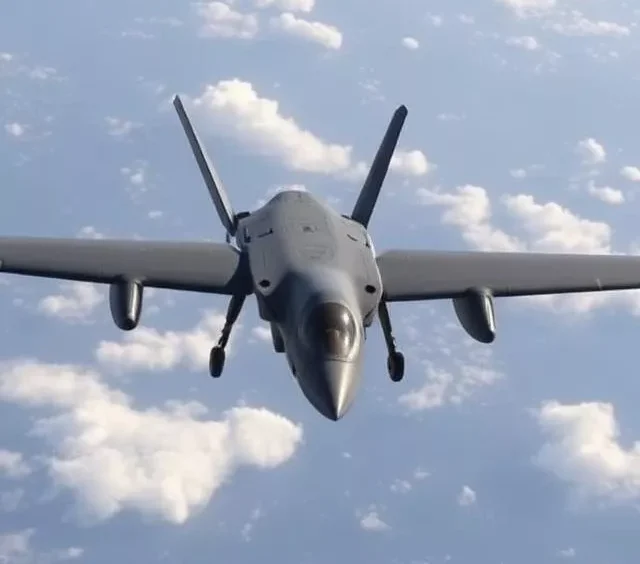
Washington DC — The United States military shot down an Iranian Shahed-139 drone that aggressively approached the USS Abraham Lincoln aircraft carrier in the Arabian Sea on February 3, 2026, according to officials from U.S. Central Command (CENTCOM).
The incident occurred while the Nimitz-class carrier was operating in international waters, approximately 500 miles (800 kilometers) from Iran’s southern coast. An F-35C Lightning II stealth fighter jet launched from the Abraham Lincoln intercepted and destroyed the drone in self-defense, protecting the ship and its personnel.
No U.S. service members were harmed, and no American equipment was damaged during the engagement, CENTCOM confirmed.
Details of the Drone Incident
According to Navy Captain Tim Hawkins, a CENTCOM spokesperson:
- The Iranian Shahed-139 drone — a medium-altitude, long-endurance unmanned aerial vehicle developed by Iran — “unnecessarily maneuvered” toward the USS Abraham Lincoln.
- The drone continued its approach despite de-escalatory measures taken by U.S. forces.
- It was described as moving aggressively with unclear intent.
- The F-35C shot down the drone after it persisted in flying toward the carrier.
The USS Abraham Lincoln (CVN-72) and its strike group had recently arrived in the region as part of a broader U.S. military buildup in the Middle East.
Separate Harassment Incident in the Strait of Hormuz
Hours after the drone shoot-down, a second confrontation unfolded in the Strait of Hormuz — one of the world’s most critical oil transit chokepoints.
- Iranian Revolutionary Guard Corps (IRGC) gunboats and a Mohajer drone harassed a U.S.-flagged merchant vessel (reported in some accounts as the M/V Stena Imperative).
- The U.S. Navy guided-missile destroyer USS McFaul (DDG-74) responded, providing defensive support and ensuring the tanker’s safe passage.
- U.S. Air Force assets also assisted in escorting the ship out of the area.
The merchant vessel was legally transiting the strait at the time of the incident.
Broader Context: U.S.-Iran Tensions and Nuclear Negotiations
The incidents come amid sharply rising tensions between Washington and Tehran under the Trump administration. Key developments include:
- A major U.S. military reinforcement in the region, including the Abraham Lincoln carrier strike group, guided-missile destroyers, additional strike aircraft, and air defense systems.
- President Donald Trump has repeatedly warned of severe consequences — including potential military action — if Iran does not return to negotiations over its nuclear program and cease regional destabilizing activities.
- Diplomatic channels remain open, with reports of possible upcoming U.S.-Iran talks aimed at de-escalation and a new nuclear agreement.
- Iran’s government has publicly stated its willingness to pursue “fair and equitable negotiations,” while Iranian state media claimed the downed drone had successfully completed a reconnaissance mission before losing contact.
Oil futures rose more than $1 per barrel following news of the drone shoot-down, reflecting market concerns over potential disruptions in the Gulf.
Official U.S. Position
CENTCOM emphasized that U.S. forces were operating lawfully in international waters and acted only after repeated attempts to de-escalate the situation failed.
“The United States will continue to protect our forces, our partners, and freedom of navigation in these vital international waterways,” the command stated.
As of February 4, 2026, neither the Iranian government nor the IRGC has issued an official public response confirming or denying the incidents, though state-affiliated outlets have downplayed the drone’s loss as a technical issue.
ClickUSA News will continue to monitor developments in the Gulf as diplomatic and military pressures remain high.