


Argentina-US Sign Landmark Trade Deal – Tariffs Cut

Argentina and US Sign Landmark Trade Deal: Hundreds of Tariffs Slashed to Boost Economic Ties and Alliance
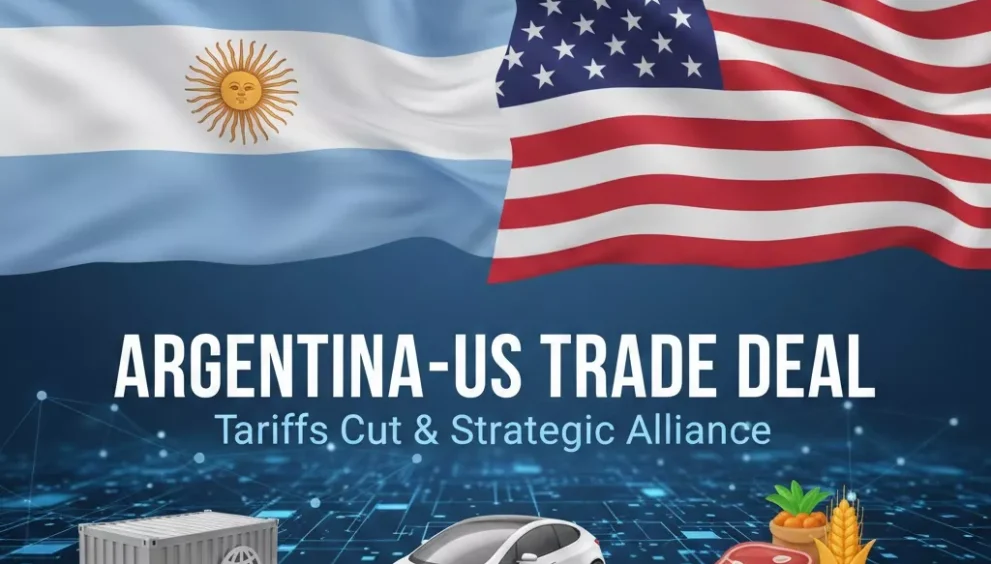
Washington, D.C. — The United States and Argentina have finalized a major reciprocal trade and investment agreement, officially signed on February 5, 2026, that eliminates or significantly reduces hundreds of tariffs on goods flowing between the two nations. The deal, known as the United States–Argentina Agreement on Reciprocal Trade and Investment (ARTI), marks a key win for both President Donald Trump and Argentine President Javier Milei, deepening their ideological and strategic partnership while aiming to open markets, lower costs for American consumers, and support Argentina’s economic reforms.
The agreement was signed in Washington by U.S. Trade Representative Jamieson Greer and Argentina’s Foreign Minister Pablo Quirno. It builds on a framework announced in November 2025 and enters into force 60 days after the parties complete their domestic procedures.
Key Provisions of the Deal
- Tariff Reductions: Argentina will cut or eliminate tariffs on more than 200 categories of U.S. goods, including chemicals, machinery, medical devices, motor vehicles, information technology products, medicines, and a wide range of agricultural items. Many imports will enter tariff-free under government quotas, particularly sensitive sectors like live cattle, dairy, and vehicles.
- U.S. Concessions: The United States will eliminate reciprocal tariffs on over 1,600 Argentine products, including certain natural resources unavailable domestically, pharmaceutical ingredients, and expanded quotas for key exports like beef (up to 80,000 metric tons duty-free in 2026).
- Non-Tariff Barriers: Argentina commits to accepting U.S. regulatory and safety standards for imports (e.g., USDA food safety for meat/poultry, FDA certifications), eliminating duplicative testing, and applying automatic import licensing. The deal prohibits barriers to digital trade and digital services taxes targeting U.S. tech firms.
- Broader Cooperation: It enhances alignment on economic security, critical minerals, energy, infrastructure, and technology. The parties will address sanitary/phytosanitary measures scientifically and transparently, with ongoing dialogue through the existing U.S.-Argentina Trade and Investment Framework Agreement (TIFA).
USTR Ambassador Greer stated the pact “lowers long-standing trade barriers and provides significant market access for American exporters, ranging from motor vehicles to a wide array of agricultural products.” He highlighted it as a model for hemispheric cooperation “from Alaska to Tierra del Fuego.”
Political and Economic Context
The deal reflects the close alliance between Trump and Milei, both advocates of free-market policies and reduced government intervention. Milei’s libertarian reforms aim to dismantle Argentina’s historically protectionist economy, plagued by inflation, currency crises, and isolation. For the Trump administration, it supports efforts to lower food prices for Americans, counter unfair trade practices, and strengthen Western Hemisphere ties amid global shifts.
While Argentina offers limited immediate economic leverage to the U.S., the agreement boosts Milei’s domestic agenda and signals U.S. support for like-minded partners in Latin America.
Potential Impacts for Americans
- Lower Costs: Reduced tariffs on imports could ease prices for consumer goods, pharmaceuticals, and food products.
- Export Opportunities: U.S. businesses gain better access to Argentine markets in high-value sectors like machinery, tech, and agriculture.
- Geopolitical Boost: The pact strengthens regional alliances, potentially influencing broader trade dynamics in the Americas and countering influences from other global players.
The agreement allows either party to terminate with six months’ notice and preserves rights to impose tariffs for national security, unfair practices, or import surges.
This development underscores a push toward more balanced, reciprocal trade under the current U.S. administration. For the latest on U.S. foreign policy, trade agreements, economic news, and international developments affecting Americans, stay tuned to ClickUSANews.com—your source for straightforward, up-to-date reporting on what matters to you.