


United Airlines Outage Exposes Critical Vulnerabilities in Aviation Technology

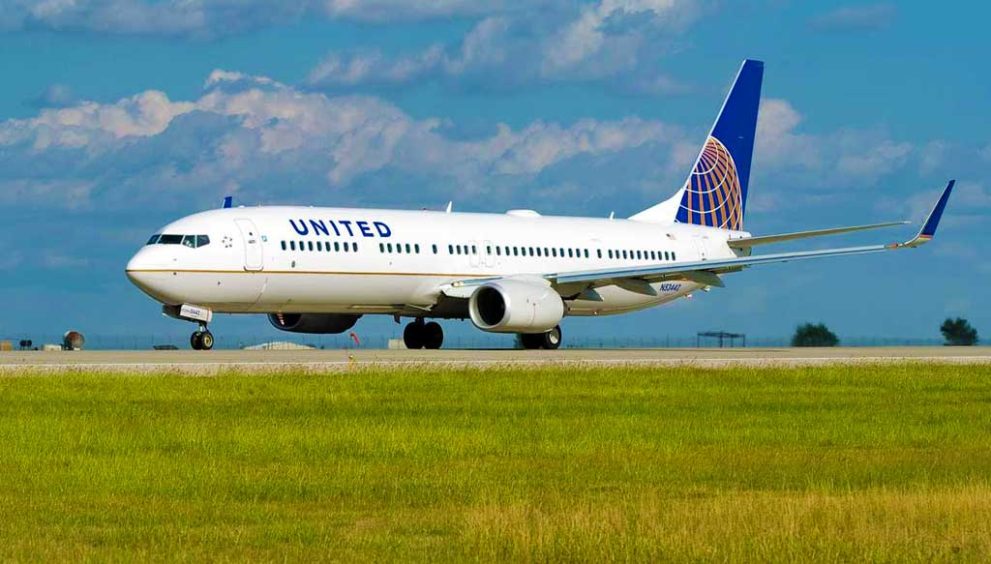
On August 6, 2025, United Airlines faced a major system outage that triggered a nationwide ground stop, halting mainline flights at key hubs including Chicago O’Hare (ORD), Newark Liberty (EWR), Houston George Bush Intercontinental (IAH), Denver (DEN), and San Francisco (SFO). The failure in United’s Unimatic system, which manages critical weight and balance calculations, disrupted 34% of the airline’s flights, with over 1,071 delays and 67 cancellations reported by FlightAware. The Federal Aviation Administration (FAA) lifted the ground stop late Wednesday evening, but the incident has spotlighted the aviation industry’s growing reliance on fragile digital infrastructure. This story, for ClickUSANews.com, examines the outage, its impacts, and the broader vulnerabilities in aviation technology systems.
The Outage: A Technical Breakdown
The disruption began around 6:00 p.m. ET on August 6, when a failure in United’s weight and balance system, part of the Unimatic platform, prevented the airline from processing critical flight data. This system calculates aircraft weight, balance, and passenger manifests, essential for safe takeoffs and landings. Without it, United was forced to ground all mainline flights at their departure airports, though United Express regional flights and airborne planes continued unaffected. The FAA issued ground stops at United’s major hubs, exacerbating delays at airports like Washington Dulles, Los Angeles, Orlando, and international locations such as Frankfurt and London.
United confirmed the outage was not a cybersecurity issue, stating, “Due to a technology issue, we are holding United mainline flights at their departure airports. Safety is our top priority.” By 9:30 p.m. ET, systems began recovering, and the ground stop was lifted shortly after. However, residual delays persisted into Thursday, August 7, as United worked to reposition aircraft and rebook passengers. FlightAware reported 1,071 delays and 67 cancellations by 10:30 p.m. ET, with estimates of over 400 cancellations by day’s end.
Passenger Chaos and Operational Fallout
The outage caused widespread disruption across United’s network of over 3,000 daily flights. At Chicago O’Hare, delays averaged 120 minutes, with similar congestion at Newark, Houston, Denver, and San Francisco. Passengers reported being stuck on tarmacs or in crowded terminals for hours, with some planes unable to reach gates due to immobilized aircraft. Social media posts captured the frustration, with one traveler at Houston’s IAH writing on X, “No United planes are moving. This is chaos.” Another at Washington Dulles described a two-hour wait with minimal updates from staff.
Nancy Gonzalez, a passenger at O’Hare, told ABC7 Chicago, “We’re packed like sardines in this plane, no food, no answers. Ten hours from Flint—I could’ve walked.” The ripple effect strained United’s operations, with grounded planes blocking gates and delaying arrivals. The airline classified the delays as “controllable,” offering hotel stays, meals, and rebooking options to affected passengers. United advised travelers to check its website or app for updates, as call centers were overwhelmed.
A Pattern of Vulnerabilities
The August 6 outage is the latest in a series of technology-related disruptions for United and the broader aviation industry. In July 2025, a fire alarm at United’s Chicago operations center triggered a nationwide ground stop, forcing a switch to a backup facility that caused significant delays. Earlier, on May 2, 2025, a website and app crash disrupted check-in systems, delaying 651 flights and canceling 19, according to FlightAware. A January 2025 outage, caused by a faulty CrowdStrike software update, affected United and other airlines, grounding flights globally and costing United an estimated $100–200 million in compensation and lost revenue.
These incidents highlight the aviation sector’s reliance on interconnected digital systems. United’s Unimatic system, dating back decades, handles critical functions like flight scheduling, tracking, and weight calculations. While the airline has invested in modernization—spending $1.2 billion on digital upgrades in 2024—recurring outages suggest vulnerabilities persist. The January 2025 CrowdStrike incident, which also disrupted Delta, American, and Qantas, exposed the risks of third-party vendor dependence, with a single flawed update causing widespread system crashes.
Industry-Wide Challenges
The aviation industry’s digital transformation, driven by cloud-based systems and real-time analytics, has improved efficiency but introduced single points of failure. A July 2025 UK air traffic control outage, caused by a 20-minute radar issue at the National Air Traffic Service (NATS), disrupted thousands of flights, revealing similar vulnerabilities in aging infrastructure. In the U.S., the FAA faces criticism for a shortage of 3,500 air traffic controllers and outdated technology, which exacerbated United’s May 2025 Newark flight cuts. A 2024 Department of Transportation report noted record-high passenger complaints due to cancellations, delays, and systemic issues like software glitches and staffing shortages.
Other airlines have faced similar challenges. On June 27, 2025, American Airlines grounded flights due to a failure in its flight information system, delaying 21% of flights and canceling 2%. Alaska Airlines experienced a three-hour IT outage in July 2025, following a similar weight and balance system failure in April 2024. These incidents underscore the industry’s exposure to technical failures, with experts calling for robust redundancy and vendor diversification to mitigate risks.
Regulatory and Investment Implications
The FAA played a key role in managing United’s August 6 outage, issuing a statement on X: “We’re aware United experienced a technology issue disrupting their operations. We’ve offered full support to help address their flight backlog.” Transportation Secretary Sean Duffy emphasized that the issue was isolated to United’s systems and did not affect broader air traffic control. However, the FAA’s ongoing challenges with staffing and outdated technology highlight the need for systemic upgrades. The agency’s modernization plan, aimed at replacing old radar and software, remains a national priority.
For United, the outage has raised questions about its $1.2 billion IT budget and reliance on third-party vendors like CrowdStrike. Analysts suggest airlines invest in hybrid cloud solutions and diversified vendor ecosystems to reduce single points of failure. United’s stock (UAL) fell 3.2% after the July 2025 outage, and the August incident may further dent investor confidence. The airline’s swift recovery, aided by real-time data capabilities, mitigated some damage, but estimated compensation costs of $100–200 million highlight the financial stakes.
Broader Lessons for Aviation
The August 6 outage underscores the aviation industry’s vulnerability to technological failures. As airlines rely on digital systems for everything from bookings to weight calculations, a single glitch can paralyze operations. United’s investment in mobile devices and real-time data, such as iPad-based maintenance documentation approved by the FAA in 2024, has improved efficiency but not eliminated risks. Experts like Christina Powers from West Monroe’s cybersecurity practice stress the need for robust vendor update processes and contingency plans to handle disruptions.
The incident also highlights the human cost of technical failures. Passengers faced hours of uncertainty, with some missing connections or enduring long waits without clear communication. United’s response, including compensation and rebooking, aims to rebuild trust, but recurring outages risk eroding customer loyalty. Competitors like Delta, which recovered faster from the January 2025 CrowdStrike outage, may gain a competitive edge by investing in redundant systems.
Moving Forward
United Airlines is reviewing its systems to prevent future outages, with a focus on improving the reliability of its weight and balance calculations. The airline’s commitment to safety and customer support is evident, but the August 6 incident reveals gaps in contingency planning. Passengers are advised to monitor United’s website for updates and retain receipts for compensation claims. As the aviation industry navigates its digital transformation, the need for resilient, modern systems is clear. With 68% of U.S. airlines reporting at least one major IT outage in 2025, United’s experience is a wake-up call for the sector to prioritize technological resilience alongside operational efficiency.