


Understanding Tariffs: Challenges for Americans and Who Pays the Price

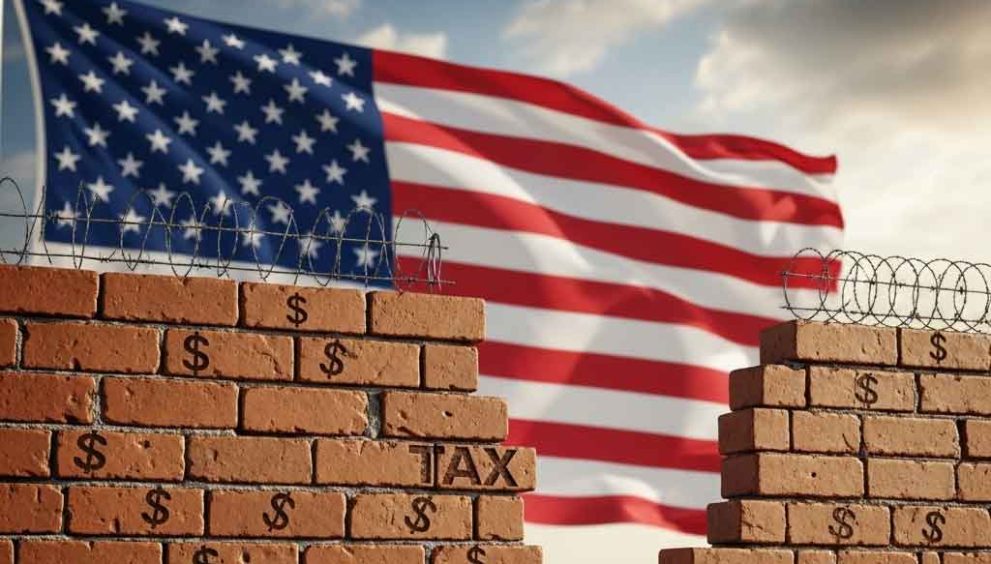
Tariffs have become a hot topic in recent economic discussions, impacting American consumers, businesses, and the broader economy. As trade policies evolve, understanding the challenges tariffs pose for Americans and who ultimately bears the cost is crucial. This article explores the effects of tariffs, their challenges, and who pays the price, offering insights for businesses and consumers navigating this complex landscape.
What Are Tariffs and How Do They Work?
Tariffs are taxes imposed by governments on imported goods, designed to protect domestic industries, generate revenue, or influence trade balances. In the U.S., tariffs are typically set by the federal government and enforced by U.S. Customs Services. They increase the cost of imported products, making domestic goods more competitive or encouraging trade negotiations with other countries.
However, tariffs are a double-edged sword. While they aim to bolster local economies, they can raise prices, disrupt supply chains, and create economic ripple effects that impact Americans in various ways.
Challenges Tariffs Pose for Americans
1. Rising Consumer Prices
One of the most direct impacts of tariffs is higher prices for goods. When tariffs are imposed on imports, the cost of those goods increases, and these costs are often passed on to consumers. For example, tariffs on steel and aluminum can raise the price of cars, appliances, and even canned goods. Everyday items like clothing, electronics, and groceries may become more expensive, straining household budgets, particularly for low- and middle-income families.
2. Supply Chain Disruptions
Tariffs can disrupt global supply chains, which many American businesses rely on. For instance, tariffs on components from countries like China or Mexico can delay production for U.S. manufacturers, leading to shortages or higher costs. Small businesses, which often lack the resources to absorb these costs or pivot to new suppliers, are particularly vulnerable.
3. Job Market Uncertainty
While tariffs aim to protect domestic jobs, they can also lead to job losses in industries reliant on affordable imports. For example, tariffs on raw materials like steel can increase costs for manufacturers, potentially leading to layoffs or reduced hiring. Additionally, retaliatory tariffs from other countries can hurt U.S. exporters, such as farmers, whose products face higher duties abroad, reducing demand and impacting agricultural jobs.
4. Economic Ripple Effects
Tariffs can contribute to inflation, as higher costs for goods and services ripple through the economy. This can lead to reduced consumer spending, slower economic growth, and even market instability. Businesses may scale back investments or expansion plans due to uncertainty, further impacting economic opportunities for Americans.
5. Retaliatory Trade Barriers
When the U.S. imposes tariffs, trading partners often respond with their own tariffs on American goods. For instance, agricultural products like soybeans, pork, and whiskey have faced retaliatory tariffs from countries like China and the European Union in recent trade disputes. This hurts American exporters, particularly in industries like agriculture, where farmers lose access to key markets, leading to lower revenues and financial strain.
Who Pays the Tariffs?
A common misconception is that foreign countries or exporters pay tariffs. In reality, the burden often falls on American businesses and consumers. Here’s a breakdown of who pays:
1. Importers (U.S. Businesses)
U.S. companies importing goods are responsible for paying tariffs to U.S. Customs Services. For example, a retailer importing electronics from Asia must cover the tariff costs when the goods enter the U.S. These businesses may absorb the cost, pass it on to consumers, or negotiate lower prices with foreign suppliers, though the latter is often challenging.
2. Consumers
When businesses pass on tariff costs, consumers face higher prices. Studies suggest that tariffs on goods like washing machines and solar panels have led to price increases of hundreds of dollars per unit. For families already grappling with rising costs, these additional expenses can strain budgets.
3. Exporters Facing Retaliation
American exporters, particularly in agriculture and manufacturing, bear the cost of retaliatory tariffs. For example, when China imposed tariffs on U.S. soybeans, farmers saw a significant drop in demand, leading to lower prices and income. The government may offer subsidies to offset losses, but these are often temporary and insufficient.
4. The Broader Economy
Tariffs can lead to economic inefficiencies, such as higher production costs and reduced global competitiveness. Over time, this can result in slower economic growth, fewer jobs, and reduced innovation, affecting all Americans indirectly.
Mitigating the Impact of Tariffs
To navigate the challenges of tariffs, Americans can take proactive steps:
- Consumers: Shop strategically by comparing prices, opting for domestic products, or buying in bulk to offset rising costs.
- Businesses: Diversify supply chains, seek domestic suppliers, or invest in cost-saving technologies to reduce reliance on tariffed imports.
- Policymakers: Balance trade policies to protect domestic industries while minimizing harm to consumers and exporters. Transparent communication about tariff impacts can also help businesses and consumers prepare.
The Future of Tariffs in America
As global trade dynamics shift, tariffs will likely remain a key tool in U.S. economic policy. However, their long-term effects depend on how they’re implemented and whether they achieve their intended goals without undue harm. Staying informed about trade policies and their impacts is essential for Americans looking to adapt to this evolving landscape.
Conclusion
Tariffs are a complex issue with far-reaching implications for American consumers, businesses, and the economy. While they aim to protect domestic industries, they often lead to higher prices, supply chain disruptions, and retaliatory trade barriers. Understanding who pays tariffs—primarily U.S. importers, consumers, and exporters—can help Americans navigate these challenges and advocate for balanced trade policies. Stay tuned to ClickUSANews for the latest updates on tariffs and their impact on the U.S. economy.