New H-1B Visa Rules Approved by White House: What They Mean for the USA in 2025

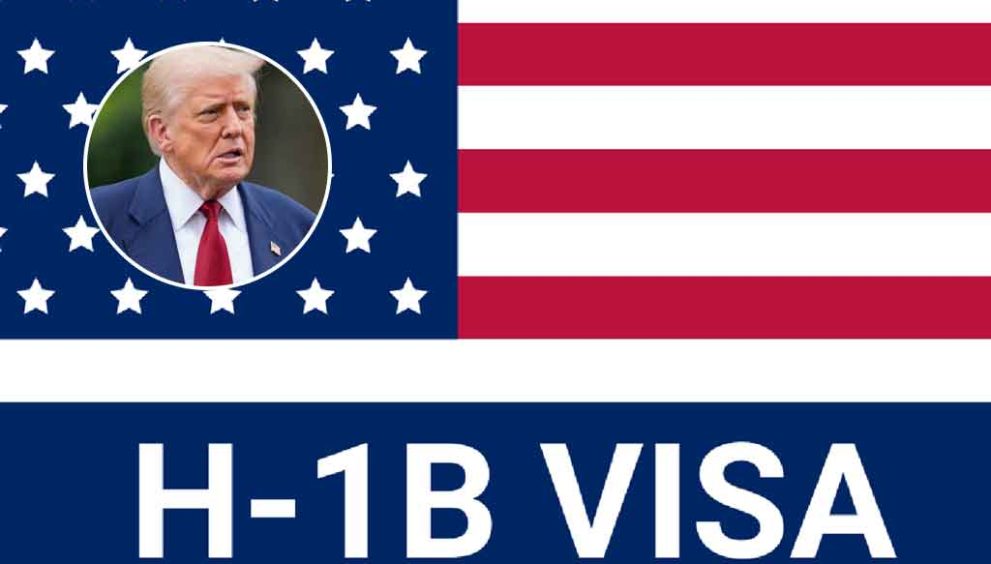
The White House has greenlit a transformative overhaul of the H-1B visa program, set to take effect on January 17, 2025, just days before a new administration steps in. These changes, finalized by the Department of Homeland Security (DHS), aim to modernize the program, streamline processes, and bolster economic competitiveness while enhancing protections for both U.S. and foreign workers. Here’s a deep dive into the new rules and their potential impact on the USA’s workforce, economy, and global talent pool.
Key Changes to the H-1B Visa Program
- Beneficiary-Centric Lottery System
Starting in 2025, the H-1B lottery will shift to a beneficiary-centric model. Each applicant gets one entry, regardless of how many employers sponsor them, reducing system abuse and promoting fairness. This change levels the playing field, especially for international graduates and professionals vying for the annual 85,000 visa cap (65,000 regular + 20,000 for advanced degree holders). - Stricter Specialty Occupation Definition
The definition of a “specialty occupation” has been tightened. Employers must now demonstrate a direct link between an applicant’s degree and job duties, ensuring only highly skilled roles qualify. This could limit approvals for vague or general positions but allows flexibility for degrees logically connected to the job. - Easier Extensions with Prior Deference
The reinstatement of the “prior deference” policy means U.S. Citizenship and Immigration Services (USCIS) will honor previous H-1B approvals for extensions, speeding up renewals. This is a boon for tech and IT firms that rely on H-1B workers for consistent talent retention. - Support for Entrepreneurs
Entrepreneurs with controlling interest in a U.S. company can now qualify for H-1B status under specific conditions, fostering innovation by allowing startup founders to secure visas. However, initial approvals and first extensions are capped at 18 months. - Enhanced Protections for F-1 Students
International students transitioning from F-1 visas to H-1B status will benefit from an extended “cap-gap” protection, ensuring their legal status and work authorization remain intact until April 1 of the following year. This prevents employment disruptions during the visa process. - Increased Oversight and Fraud Prevention
USCIS will ramp up workplace site visits and impose stricter penalties for non-compliance, such as denying or revoking petitions if employers refuse inspections. This ensures program integrity but may increase scrutiny for businesses, particularly those using third-party placements. - Proposed Wage-Based Lottery (Pending)
A separate proposal, approved by the White House on August 8, 2025, may replace the random lottery with a wage-based system, prioritizing higher-paying jobs. This could favor large corporations but disadvantage startups and entry-level applicants, potentially reshaping career paths for international talent, especially from India.
Impacts on the USA
Economic Boost Through Talent Retention
The H-1B program is critical for industries like tech, healthcare, and engineering, where skilled workers drive innovation. The streamlined processes and faster extensions will help companies like Google, Microsoft, and smaller startups retain global talent, boosting economic competitiveness. DHS Secretary Alejandro Mayorkas emphasized that these changes “provide employers with greater flexibility to hire global talent” and “advance American innovation.”
Challenges for Startups and Small Businesses
The potential wage-based lottery could tilt the scales toward large corporations offering higher salaries, making it harder for startups and nonprofits with lean budgets to secure H-1B visas. This may stifle innovation in emerging fields and push skilled workers to countries like Canada or Europe with more accessible immigration systems.
Impact on Indian Professionals
With Indian nationals receiving around 207,000 H-1B visas in FY 2024, the wage-based system could force students and professionals to prioritize higher-paying STEM roles or U.S. degrees to stay competitive. This shift may influence academic and career choices, potentially reducing opportunities for entry-level workers.
Enhanced Program Integrity
Stricter oversight and fraud prevention measures will ensure only legitimate applicants benefit, but increased site visits and documentation requirements may raise compliance costs for employers. Businesses must prepare for more rigorous USCIS audits, especially for third-party placements.
Political Implications
The timing of these rules, just before a new administration takes office, raises questions about their longevity. The incoming Trump administration, known for restrictive immigration policies, could challenge these changes via the Congressional Review Act or new rulemaking, creating uncertainty for employers and applicants.
What Employers and Applicants Should Do
- Employers: Update job descriptions to align with the new “specialty occupation” criteria, train HR teams for USCIS site visits, and consult immigration attorneys to navigate cap-exempt options or extensions.
- Applicants: Ensure degrees align with job roles, maintain travel records for recapture time, and act swiftly during the 60-day grace period if employment ends.
- Stay Informed: Monitor USCIS updates for the mandatory new Form I-129 (effective January 17, 2025) and potential wage-based lottery developments.
Conclusion
The 2025 H-1B visa rules mark a significant step toward modernizing a program vital to the U.S. economy. While they promise greater efficiency and fairness, challenges like increased oversight and a potential wage-based system could reshape hiring practices and career paths. As the U.S. competes for global talent, these changes will play a pivotal role in balancing innovation, integrity, and economic needs.
Stay tuned to ClickUSANews.com for the latest immigration updates and expert insights on navigating the H-1B visa process!