


Indian Travel to US Drops for First Time in Over 20 Years in June 2025

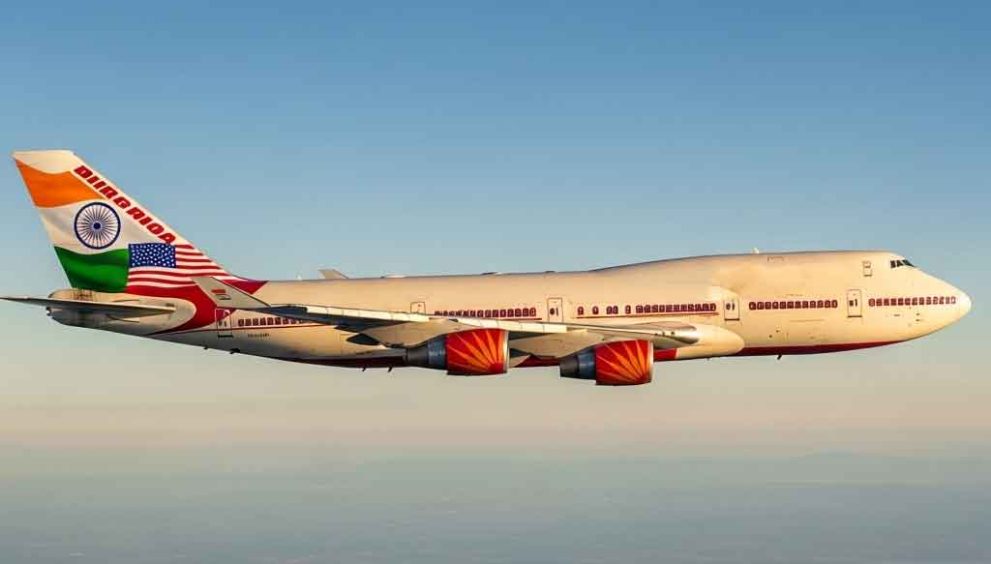
Washington, D.C., September 1, 2025 – In a surprising shift, the number of Indian travelers visiting the United States fell by 8% in June 2025, marking the first decline in over two decades, excluding the Covid-19 pandemic years. According to the US Commerce Department’s National Travel and Tourism Office (NTTO), approximately 210,000 Indian nationals traveled to the US in June 2025, down from 230,000 in June 2024. This unexpected drop, the first since 2001, has raised concerns among US tourism officials and businesses reliant on the robust Indian market, prompting questions about the causes and potential long-term effects.
A Significant Break in a Long-Standing Trend
India has been a powerhouse in international tourism to the US, consistently ranking as the fourth-largest source market overall and the second-largest overseas market after the United Kingdom, trailing only Canada and Mexico. The Indian diaspora, now over 5 million strong in the US, has fueled steady growth in travel for business, education, and family visits since 2001. The June 2025 decline, followed by a 5.5% drop in July 2025 compared to July 2024, signals a potential shift in this critical travel corridor. This downturn aligns with a broader 6.2% decrease in total international arrivals to the US in June, with similar declines of 7% in May, 8% in March, and 1.9% in February 2025, though January and April saw modest gains of 4.7% and 1.3%, respectively.
Indian travelers have long flocked to US cities like New York, San Francisco, and Orlando for work, study, and leisure. The US is a top destination for Indian students, with a record 420,000 enrolled in 2024, and tourists drawn to iconic landmarks and cultural hubs. However, the recent decline suggests that challenges such as visa delays, policy changes, and shifting travel preferences may be reshaping Indian travel patterns.
What’s Driving the Decline?
Several factors appear to be contributing to the drop in Indian visitors. Lengthy visa processing times at US embassies and consulates in India have created significant barriers, with wait times for B1/B2 tourist visa appointments often exceeding 400 days. Indian students, in particular, have faced challenges, with nearly 150,000 at risk of missing the 2025 fall semester due to visa delays and stricter regulations, including increased rejections under Section 214B of the US Alien-in-Possession Act, which requires proof of strong ties to India.
Geopolitical and policy shifts have also played a role. The second Trump administration’s stricter visa policies and heightened scrutiny have raised concerns among prospective travelers. While India was not included in the June 2025 US travel ban targeting 12 mainly African and Middle Eastern countries, with restrictions on seven others, the broader climate of uncertainty around US immigration policies may be deterring Indian visitors. Additionally, regional disruptions, such as the temporary closure of Pakistan’s airspace following India’s Operation Sindoor on May 7, 2025, impacted travel routes to the US and other Western destinations.
Economic pressures and rising travel costs are further influencing Indian travelers’ choices. The US faces growing competition from destinations like the UAE, Thailand, Saudi Arabia, and Singapore, which offer easier visa processes and more budget-friendly travel options. In April 2025, 2.9 million Indians traveled abroad, with the UAE surpassing the US as the top destination, followed by Saudi Arabia, Thailand, and Singapore. This shift reflects a growing preference for destinations with fewer bureaucratic hurdles and more affordable experiences.
Impact on the US Tourism Industry
The decline in Indian visitors could have a ripple effect on the US tourism industry, which relies heavily on international travelers. Indian tourists contribute significantly to tourism revenue, spending on hotels, attractions, and dining in cities like Las Vegas, Miami, and Chicago. The drop in student arrivals is particularly concerning for US universities, which benefit economically and culturally from Indian enrollment. The slowdown also affects businesses catering to the Indian diaspora, from cultural festivals to restaurants offering authentic Indian cuisine.
US tourism officials are now grappling with how to reverse this trend. Streamlined visa processes, such as the new policy allowing one free reschedule for non-immigrant visa appointments starting in 2025, could help ease access. However, competition from other destinations remains fierce. Countries like Thailand, set to launch a global e-visa system in January 2025, and European nations like France and Germany, with accessible education systems, are drawing Indian travelers seeking hassle-free and cost-effective options.
Can the US Reclaim Its Appeal?
Despite the decline, the US remains a top destination for Indian travelers, bolstered by strong diaspora connections and world-class attractions. To regain momentum, the US tourism industry may need to enhance marketing efforts, highlighting its diverse offerings from national parks to urban cultural experiences. Addressing visa delays and promoting affordable travel packages could also help recapture the Indian market. Additionally, as Indian travelers increasingly prioritize sustainable and wellness-focused trips, the US could emphasize eco-conscious destinations and unique experiences to stay competitive.
The 8% drop in Indian visitors in June 2025 serves as a wake-up call for the US tourism sector. While India remains a vital market, contributing nearly 60% of international arrivals alongside Canada, Mexico, the UK, and Brazil, the recent decline underscores the need for adaptability in a rapidly changing global travel landscape. Whether this dip is a temporary blip or a sign of deeper shifts in Indian travel preferences will depend on how the US responds to these challenges in the coming months.
ClickUSANews.com may use cookies to improve your experience. By continuing to browse, you agree to our use of cookies. See our Privacy Policy for details.