


Challenges and Legal Issues Facing Elon Musk’s America Party

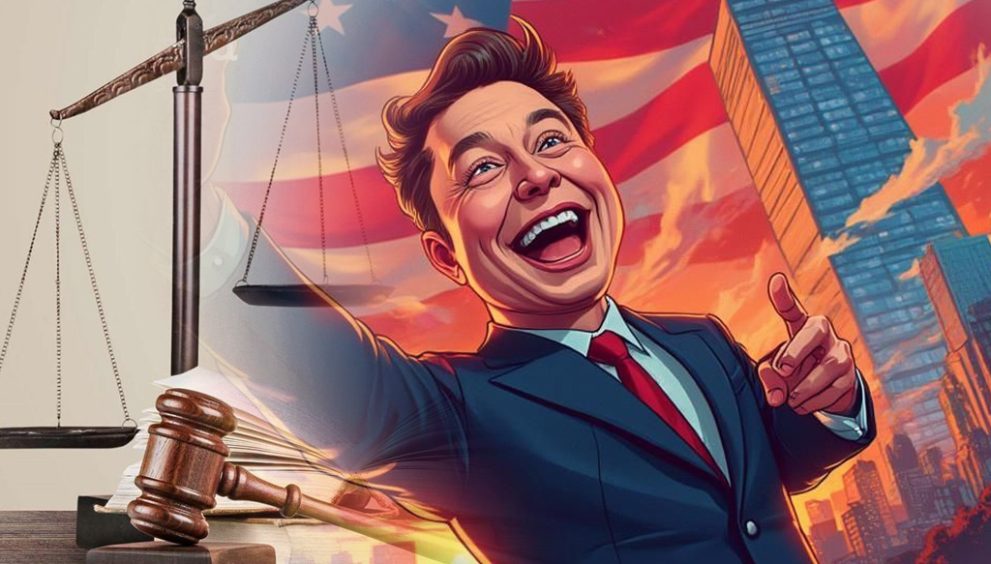
On July 6, 2025, Elon Musk announced the formation of the “America Party,” a new political entity aimed at challenging the entrenched two-party system in the United States. This move comes amid a public feud with former ally President Donald Trump, primarily over a massive tax and spending bill that Musk criticized for increasing the national debt. Musk, the world’s richest individual and a significant political donor, claims the America Party will represent the “80% in the middle” of American voters, focusing on fiscal responsibility, deregulation, and technological innovation. However, creating a viable third party in the U.S. is a formidable task, fraught with structural, legal, and political challenges. This article explores the multifaceted obstacles Musk’s America Party faces, including legal hurdles, political dynamics, and public perception, while critically examining the feasibility of his endeavor.
Structural Challenges in the U.S. Political System
The Two-Party System and Electoral Barriers
The U.S. political landscape is heavily biased toward a two-party system, dominated by the Democratic and Republican parties. This dominance is reinforced by several structural factors:
- Electoral College and Winner-Take-All Voting: The U.S. uses a winner-take-all electoral system, particularly in presidential elections, where the candidate with the most votes in a state typically wins all its electoral votes. This system discourages third-party support, as votes for a third-party candidate may be perceived as “wasted” if they do not lead to electoral votes. Historical examples, such as Ross Perot’s 1992 presidential campaign, which garnered 19% of the popular vote but no electoral votes, illustrate this challenge.
- Ballot Access Laws: Each state has unique and often stringent requirements for new political parties to gain ballot access. For instance, in California, a new party must register 0.33% of the state’s voters (approximately 75,000 people) or collect signatures from 1.1 million voters. These requirements vary widely across states, demanding significant resources and organizational effort. Maintaining ballot access often requires meeting vote thresholds in subsequent elections, adding to the complexity.
- Gerrymandering and Polarization: Congressional districts are often gerrymandered to favor one of the major parties, making it difficult for third-party candidates to compete in House races. Deep political polarization further entrenches voter loyalty to the two major parties, as many voters fear splitting the vote and inadvertently helping their least-preferred party win.
Financial and Organizational Hurdles
Creating a national political party requires substantial financial investment and organizational infrastructure. While Musk’s wealth—estimated in the billions—provides a significant advantage, the costs of building a party are immense. These include:
- Campaign Financing: The Democratic and Republican parties have well-established fundraising networks and political action committees (PACs). Matching their financial machinery requires not only Musk’s personal funds but also a broad donor base, which may be challenging to cultivate given his polarizing public image. Federal Election Commission (FEC) regulations cap donations to formal political parties at under $1 million for the 2025-2026 election cycle, limiting Musk’s ability to rely solely on his wealth compared to his unrestricted spending through independent super PACs like America PAC.
- Grassroots Organization: A successful political party needs a robust grassroots movement to mobilize voters, recruit candidates, and sustain momentum. Musk’s America Party currently lacks a grassroots machine, and his reliance on social media platform X for engagement may not translate into real-world political power. Converting online enthusiasm into a cohesive movement requires extensive local organizing, candidate vetting, and voter outreach—tasks that demand time and expertise Musk may not yet possess.
Legal Issues and Regulatory Challenges
Compliance with Election Laws
Forming a new political party involves navigating a complex web of federal and state election laws, which pose significant legal challenges:
- FEC Registration and Reporting: While Musk has announced the America Party, there is no evidence as of July 6, 2025, that it has been formally registered with the FEC. Political parties must register once they raise or spend above certain thresholds in connection with federal elections. Failure to comply with FEC regulations, such as financial disclosure requirements, could lead to legal scrutiny. Musk’s previous political activities, including his America PAC, have faced allegations of violating election laws, such as offering payments for petition signatures, which could foreshadow similar issues for the America Party.
- Conflicts of Interest: Musk’s extensive business interests in Tesla, SpaceX, Starlink, and xAI create potential conflicts of interest, particularly given his recent role in the Trump administration’s Department of Government Efficiency (DOGE). Legal experts have raised concerns about Musk’s ability to influence policies that benefit his companies, such as government contracts or regulatory changes. For example, SpaceX has received over $15 billion in federal contracts, and Tesla benefits from electric vehicle subsidies, which were a point of contention in Musk’s feud with Trump. Federal ethics laws, such as the Ethics in Government Act, require government employees, even special government employees like Musk, to disclose financial interests to avoid conflicts. Musk’s failure to provide comprehensive financial disclosures during his DOGE tenure has already drawn criticism, and similar issues could arise with the America Party if he uses his wealth to influence political outcomes.
- State-Specific Legal Challenges: Each state’s ballot access laws can lead to litigation from established parties seeking to block third-party candidates. The Democratic and Republican parties have historically used legal challenges to hinder third-party efforts, requiring Musk to invest heavily in legal resources to secure and maintain ballot access across all 50 states.
Allegations of Violating Election and Financial Regulations
Some X users have claimed that Musk’s financial background—particularly his control over companies with significant government contracts—could preclude him from leading a political party without violating U.S. election laws, stock market regulations, or government contract stipulations. While these claims are not fully substantiated, they highlight the scrutiny Musk’s America Party may face. For instance, his role as a government contractor could trigger restrictions under federal conflict-of-interest laws, especially if the party’s platform directly influences policies affecting his businesses.
Political and Public Perception Challenges
Musk’s Polarizing Public Image
Musk’s public persona is both an asset and a liability. His global recognition and massive following on X (over 220 million followers) provide a platform to promote the America Party. However, his controversial statements and actions—such as endorsing far-right parties in Europe, criticizing diversity initiatives, and engaging in public feuds—alienate segments of the population. Critics argue that Musk’s brand may be too tarnished to appeal to the broad, centrist voter base he claims to represent. His association with right-wing and libertarian ideologies, despite rejecting the conservative label, may limit the party’s appeal to moderate or left-leaning voters.
Lack of a Cohesive Ideological Foundation
The America Party’s platform, as outlined by Musk and supporters on X, emphasizes reducing national debt, modernizing the military with AI and robotics, deregulation, free speech, and pronatalist policies. However, these ideas lack a clear, unifying vision that distinguishes the party from existing libertarian or centrist movements, such as the Libertarian Party or No Labels. Without a robust ideological framework, the America Party risks being perceived as a vanity project or a vehicle for Musk’s personal grievances rather than a viable political force.
Feud with Trump and Republican Backlash
Musk’s fallout with Trump, sparked by his opposition to the “One Big Beautiful Bill Act,” complicates the America Party’s prospects. Trump has threatened to cut subsidies to Musk’s companies and even suggested deporting him, highlighting the personal and political risks of challenging the Republican establishment. Musk’s pledge to support primary challenges against GOP lawmakers who backed the bill, such as Rep. Thomas Massie, could fracture his support among conservatives, who view Trump as the de facto leader of the Republican Party. This feud may also deter potential allies within the GOP, limiting the America Party’s ability to build coalitions.
Historical Context and Third-Party Precedents
Third parties have historically struggled to gain traction in U.S. politics. The last third-party presidential candidate to win electoral votes was George Wallace in 1968, and Ross Perot’s 1992 campaign, despite significant popular support, failed to secure any. More recent efforts, such as Andrew Yang’s Forward Party, have gained attention but struggled to translate into electoral success. Musk’s America Party faces similar challenges, exacerbated by the short timeline to the 2026 midterms and the lack of a clear leadership structure, especially since Musk, as a South African-born citizen, is ineligible to run for president.
Potential Strategies and Opportunities
Musk has suggested focusing on a small number of congressional races—two or three Senate seats and eight to ten House districts—to act as a swing bloc in Congress. This strategy leverages the narrow legislative margins to influence contentious legislation. Additionally, Musk’s wealth and control over X provide unique opportunities to shape public discourse and mobilize supporters. Collaborations with existing third-party groups, such as the Libertarian National Committee or No Labels, could bolster the party’s infrastructure, though ideological differences may pose challenges.
Conclusion
Elon Musk’s America Party represents a bold attempt to disrupt the U.S. political landscape, but it faces formidable challenges. Structural barriers, such as the electoral college and ballot access laws, combined with legal risks related to election compliance and conflicts of interest, pose significant hurdles. Musk’s polarizing image and the lack of a cohesive ideological foundation further complicate the party’s prospects. While his wealth and influence provide a unique platform, historical precedents suggest that building a viable third party requires years of sustained effort, grassroots organization, and broad voter appeal—none of which Musk has yet demonstrated. Whether the America Party becomes a transformative force or a fleeting expression of Musk’s frustration with the status quo remains to be seen. For now, it stands as a high-stakes gamble in an already turbulent political arena.