



Israel’s Deadly Strike Kills Houthi Prime Minister, Escalates Yemen Conflict

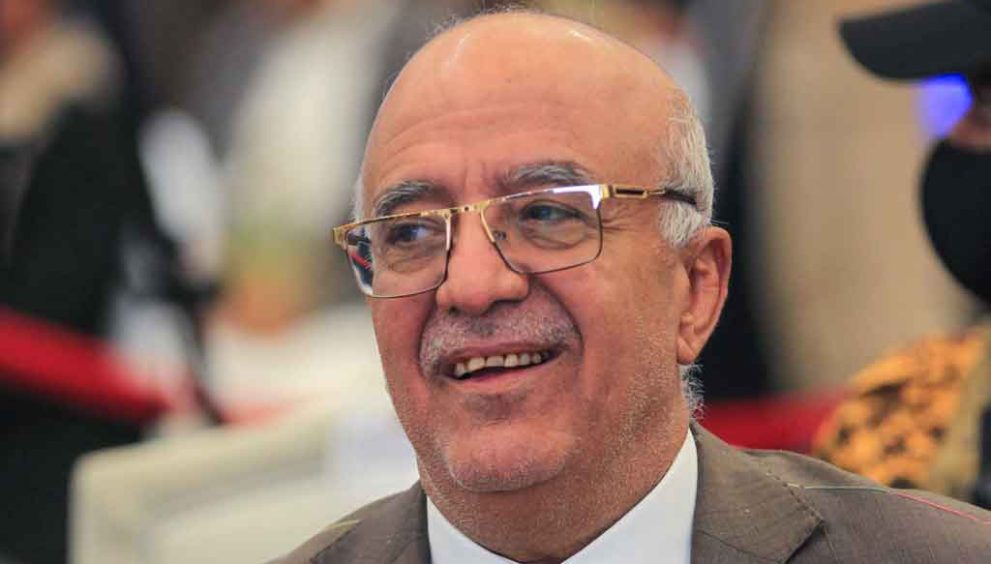
Sanaa, Yemen – August 31, 2025 – An Israeli airstrike on Thursday, August 28, 2025, rocked Yemen’s capital, Sanaa, killing Houthi Prime Minister Ahmed al-Rahawi and several top officials, including ministers of social affairs, agriculture, economy, justice, and information. Confirmed by the Israel Defense Forces (IDF) on Saturday, the attack targeted a government meeting in response to Houthi missile and drone strikes on Israeli territory and Red Sea shipping lanes in support of Palestinians. The Houthis branded the strike an “assassination” and vowed retaliation, raising fears of a broader Middle East conflict as tensions soar.
Precision Strike Hits Houthi Leadership
The airstrike targeted a villa in Beit Baws, a historic village in southern Sanaa, where Houthi leaders were holding a government workshop to review their activities. The attack coincided with a prerecorded speech by Houthi leader Abdul Malik al-Houthi, who was discussing the Gaza war and threatening Israel. Houthi officials confirmed Prime Minister Ahmed al-Rahawi’s death, along with several cabinet members, though exact casualty numbers are unverified. Saudi outlet Al-Hadath reported the deaths of ministers for foreign affairs, justice, youth and sports, social affairs, and labor, but the Houthis have not officially named all victims.
The IDF described the operation as a “precision strike” on a “Houthi terrorist regime military target,” aimed at senior officials orchestrating attacks on Israel. Defense Minister Israel Katz called it a “devastating blow,” ominously stating, “The plague of darkness is followed by the plague of the firstborn.” The IDF highlighted real-time intelligence and air superiority as key to the operation’s success, though it’s unclear if high-profile figures like Defense Minister Muhammad Nasser al-Atifi or Chief of Staff Muhammad Abd al-Karim al-Ghamari were killed.
Roots of the Escalation
The Iran-backed Houthis, who have controlled much of northwestern Yemen since seizing Sanaa in 2014, have ramped up attacks on Israel and Red Sea shipping since the Israel-Hamas war began in October 2023. Their slogan, “death to America, death to Israel, curse the Jews,” underscores their campaign, which they claim supports Palestinians in Gaza. Houthi missile and drone attacks have disrupted $1 trillion in annual Red Sea trade, with most projectiles intercepted by Israel but still prompting retaliatory strikes from Israel and a U.S.-led coalition.
Ahmed al-Rahawi, named prime minister in August 2024, was a figurehead managing civilian affairs in Houthi-controlled areas, with real power held by Abdul Malik al-Houthi and his inner circle. A former ally of ex-President Ali Abdullah Saleh, Rahawi joined the Houthis after their 2014 takeover. His death, while symbolic, is a major blow to the group’s governance structure, with Yemen analyst Ahmed Nagi calling it a “significant disruption” to their leadership.
Houthi Vow Revenge
The Houthis condemned the strike as a “heinous war crime,” accusing Israel of targeting civilian infrastructure. Mahdi al-Mashat, head of the Houthi Supreme Political Council, promised retaliation, declaring, “Our martyrs’ blood will fuel our fight.” Defense Minister Mohamed al-Atifi vowed to confront the “Zionist enemy,” signaling potential escalation. The Houthis appointed Mohammed Ahmed Muftah, Rahawi’s deputy, as acting prime minister to maintain continuity.
The strike follows a pattern of Israeli attacks, including an August 24, 2025, bombing in Sanaa that killed 10 and wounded 102, per Houthi reports, and a May strike that crippled Sanaa’s airport. A U.S. strike in April on a Sadaa prison killed at least 68 African migrants. The Houthis’ latest ballistic missile launch, described by Israel as a cluster bomb, preceded Thursday’s airstrike.
Regional Fallout and Global Reactions
Israel’s shift to targeting Houthi leadership mirrors its assassinations of Hamas and Hezbollah figures, signaling a bolder approach. Unconfirmed Israeli media reports suggest the entire Houthi cabinet, possibly 12 ministers, may have been killed, though the IDF is verifying the toll. Defense Minister Katz warned of more strikes, potentially targeting Abdul Malik al-Houthi himself.
The strike tests a fragile May 2025 deal brokered by the Trump administration, which paused U.S. airstrikes in exchange for the Houthis halting Red Sea attacks. However, the agreement excluded attacks on Israel, allowing Houthi missile launches to continue. President Trump, who in March 2025 claimed the Houthis were “done fighting,” now faces renewed challenges as the group pledges to intensify its campaign.
Social media reactions on X were divided. Supporters of Israel, like @IsraelWarRoom, hailed the strike as a “masterstroke” against Houthi aggression, while critics, like @YemenVoice, called it a “cowardly assassination” and demanded accountability. The Houthis’ resilience, forged through a decade of Saudi-led airstrikes that killed thousands, suggests they will not back down easily, risking further disruption to global trade and Yemen’s humanitarian crisis.
A Dangerous New Chapter
The killing of Ahmed al-Rahawi and other Houthi officials marks a dramatic escalation in Israel’s campaign against the Iran-aligned group. While the strike weakens the Houthis’ governance, their history of enduring intense bombing campaigns indicates they will retaliate, potentially targeting Israeli cities or shipping lanes. Israel’s vow of further strikes and the Houthis’ alignment with Iran’s “Axis of Resistance” raise the specter of a wider regional conflict.
As the Middle East teeters on the edge, the international community faces calls to address Yemen’s worsening humanitarian crisis and seek diplomatic solutions. For now, the cycle of violence shows no signs of slowing, with both sides doubling down in a high-stakes showdown.
Stay tuned to ClickUSANews.com for breaking updates on the Middle East and global conflicts.