

Texas Senate OKs GOP-Backed Redistricting Amid Democratic Outcry

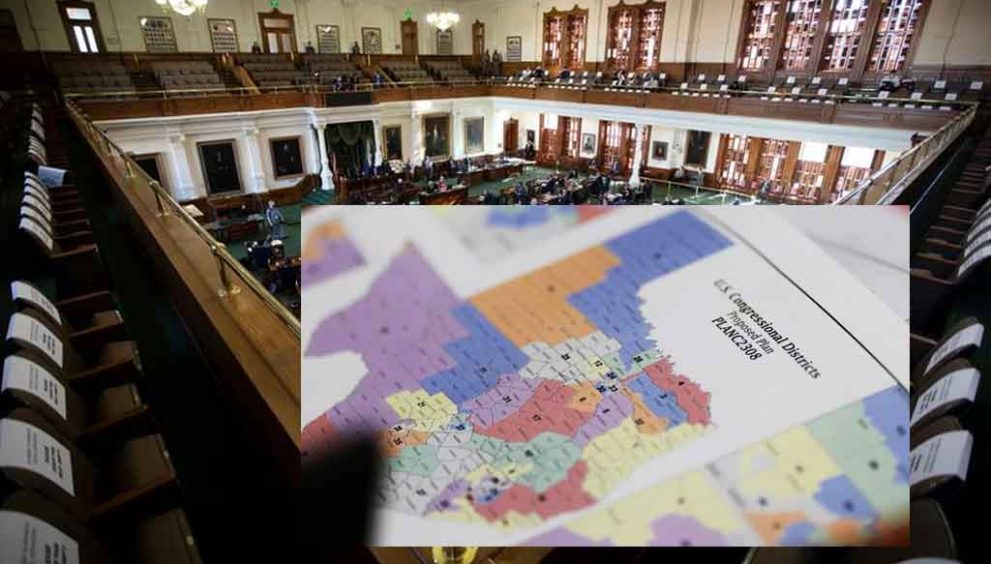
On August 12, 2025, the Texas Senate passed a contentious congressional redistricting map in a 19-2 party-line vote, aiming to boost Republican representation by creating five new GOP-leaning districts while eliminating five Democratic seats. The move, part of a rare mid-decade redistricting push, sparked a dramatic walkout by Senate Democrats, who decried the map as gerrymandering designed to entrench Republican power ahead of the 2026 midterms. As the map heads to the Texas House, where Democrats are stalling through a quorum break, Americans across the state—and the nation—are grappling with its implications for fair representation. At ClickUSANews.com, we dive into this high-stakes political battle and its impact on Texas voters.
The Senate Showdown: A GOP Victory Amid Protests
The Texas Senate’s approval of Senate Bill 4 followed weeks of heated debate, driven by a directive from President Donald Trump to redraw congressional boundaries to favor Republicans. The map, which mirrors a draft from a House committee, seeks to increase GOP seats from 25 to 30 out of Texas’s 38 congressional districts. It targets Democratic strongholds in urban centers like Austin, Dallas, and Houston, redrawing lines to dilute progressive voting power. For example, the map merges areas represented by Democratic Representatives Greg Casar and Lloyd Doggett into a single District 37, potentially forcing a primary showdown, while reshaping Casar’s District 35 to exclude much of liberal Austin.
The vote saw nine of the 11 Senate Democrats stage a walkout in protest, leaving only Senators Judith Zaffirini and Juan “Chuy” Hinojosa to vote against the measure. The Senate Democratic Caucus slammed the process, stating, “This map is a blatant power grab, picking voters for politicians instead of letting voters choose their leaders.” Republicans, led by Senator Phil King (R-Weatherford), defended the map, arguing it reflects Texas’s shifting demographics, particularly GOP gains among Hispanic voters in South Texas.
Democratic Quorum Break Stalls the House
The map’s fate now rests with the Texas House, where over 50 Democrats have fled the state to cities like Chicago, New York, and Boston, denying the chamber the two-thirds quorum needed to proceed. This “quorum break,” a tactic rooted in Texas’s constitution, has halted legislative action for over a week. Governor Greg Abbott, a vocal supporter of the redistricting, took to X, warning, “Democrats can run, but they can’t hide from Texans’ will. If no quorum by Friday, Special Session #2 starts immediately.”
Republicans are fighting back, with House Speaker Dustin Burrows issuing civil arrest warrants and Attorney General Ken Paxton seeking state Supreme Court intervention to expel absent members. Democrats face $500-a-day fines but remain defiant. “We’re standing up for fair representation,” said Houston Senator Carol Alvarado, speaking from an undisclosed location. The standoff has drawn national attention, with Democratic governors in California and New York threatening retaliatory redistricting in their states.
Impact on Texas Voters and Minority Communities
The redistricting plan could reshape political representation for millions of Texans, particularly in urban areas with diverse populations. Texas’s 500,000-strong Indian-American community, along with Hispanic and Black voters, may see their influence diluted as Democratic districts are merged with conservative rural areas. For instance, Houston’s Ninth Congressional District, held by Democrat Al Green, is combined with the vacant 18th District to form a new GOP-leaning, majority-Hispanic district. In Austin, the redrawing of Districts 35 and 37 could weaken the voice of progressive voters, including minority communities.
“This map feels like a betrayal of democracy,” said Monica Gonzalez, a Houston resident, during a Senate hearing. Indian-American Congressman Raja Krishnamoorthi, part of the “Samosa Caucus,” joined colleagues in urging the U.S. Department of Justice to investigate potential Voting Rights Act violations. “This redistricting targets communities of color and undermines fair representation,” Krishnamoorthi said. The National Democratic Redistricting Committee, backed by former President Barack Obama, has vowed to challenge the map in court, with president John Bisognano calling it “a direct attack on Texas voters.”
National Implications and Political Divide
The Texas redistricting battle is part of a broader GOP strategy to secure a House majority in 2026, following Trump’s call for states to redraw maps mid-decade. Republicans argue the map aligns with Texas’s population growth and shifting political leanings, particularly in the Rio Grande Valley. Critics, however, see it as gerrymandering, with Representative Lloyd Doggett warning, “This map divides communities and silences progressive voices to entrench GOP power.”
The controversy has sparked a national debate, with posts on X reflecting polarized views. “Texas is fixing outdated districts to reflect real voter trends,” one user wrote, while another countered, “This is gerrymandering, plain and simple—stealing votes from minorities.” The outcome could set a precedent for other states, with California and New York eyeing similar redistricting battles.
What’s Next for the Redistricting Map
With the Texas House stalled, the special session ends on August 19, but Governor Abbott has promised back-to-back sessions until the map passes. Legal challenges are looming, with groups like the House Majority PAC raising funds to fight the map in court. The U.S. Supreme Court’s 2024 ruling allowing mid-decade redistricting has emboldened Republicans, but Democrats hope federal courts will intervene if the map violates voting rights laws.
For Texas voters, the stakes are high. The map could reshape congressional representation for a decade, affecting policies on immigration, healthcare, and economic opportunities that impact diverse communities. “This isn’t just about lines on a map—it’s about our future,” said Austin resident Priya Menon, a tech worker.
How Americans Can Respond
Texans and concerned citizens can take action to influence the outcome:
- Engage with Lawmakers: Contact state representatives to voice concerns about the map’s impact on fair representation.
- Join Advocacy Efforts: Support groups like the National Democratic Redistricting Committee or local voter rights organizations.
- Stay Informed: Follow ClickUSANews.com for updates on the redistricting battle and its implications.
- Participate in Hearings: Attend public forums or submit testimony to advocate for fair districting.
- Mobilize for 2026: Register to vote and encourage community turnout to counter the map’s potential effects.
Conclusion: A Defining Moment for Texas Democracy
The Texas Senate’s approval of the GOP-favored redistricting map has ignited a fierce battle over representation, with Democrats fighting to protect voter rights and Republicans pushing to solidify their influence. As the standoff moves to the House and likely the courts, Americans are watching closely, aware that the outcome will shape Texas’s political landscape for years to come. At ClickUSANews.com, we’re committed to keeping you informed on this critical issue and its impact on communities across the state.
Stay engaged with ClickUSANews.com for the latest on Texas politics and national news.