



Ukraine Diplomacy: Trump-Putin-Zelensky Summit Could Reshape Ceasefire Efforts

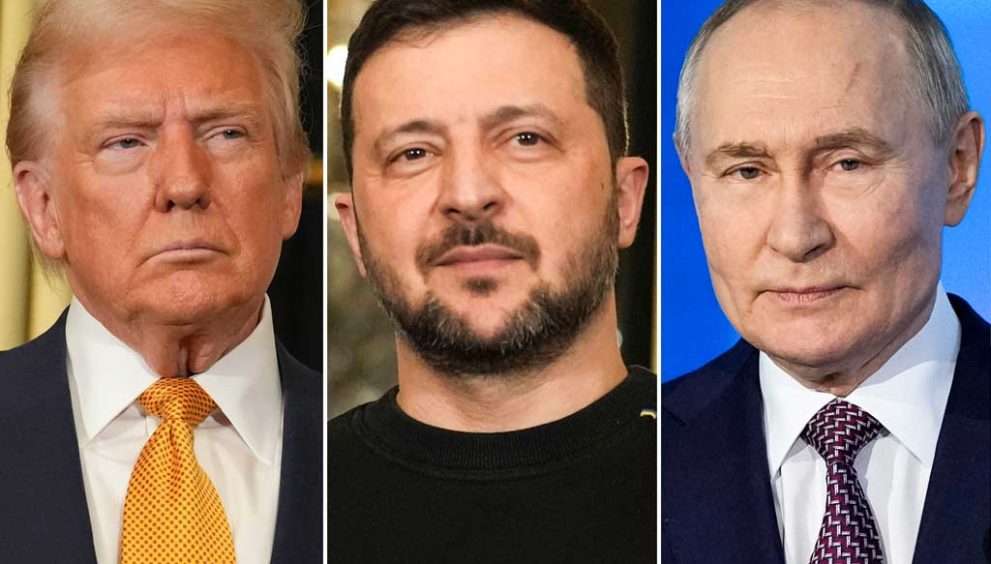
A Pivotal Moment for Ending the Russia-Ukraine War
As the Russia-Ukraine conflict nears its fourth year, a potential summit involving U.S. President Donald Trump, Russian President Vladimir Putin, and Ukrainian President Volodymyr Zelenskyy could mark a turning point in ceasefire negotiations. On August 6, 2025, Trump announced a possible meeting with Putin as early as next week, with a trilateral summit including Zelenskyy under consideration. This would be the first such high-level talks since Russia’s 2022 invasion of Ukraine. With Trump’s August 8 deadline for Russia to agree to a ceasefire approaching, the world is watching to see if this bold diplomatic move can halt a war that has killed thousands and disrupted global stability. Here’s the full story for ClickUSANews.com.
Trump’s Aggressive Push for Peace
Since his inauguration in January 2025, President Trump has prioritized ending the Russia-Ukraine war, touting his deal-making skills to bring peace. On August 6, he told reporters at the White House, “We’re very close to something big” regarding a summit with Putin and Zelenskyy, following “great talks” with Moscow. The announcement came after U.S. envoy Steve Witkoff’s three-hour meeting with Putin in Moscow, which the Kremlin called “productive” and focused on resolving the Ukrainian crisis. Trump has backed his diplomacy with threats, including sweeping sanctions on Russia and secondary sanctions on nations like India and China for buying Russian oil if Moscow misses the August 8 deadline.
Trump’s efforts build on prior progress. In March 2025, he and Putin agreed to a 30-day pause on attacks targeting energy infrastructure, a move Zelenskyy cautiously endorsed. However, Russia’s ongoing drone and missile strikes, including a deadly August 1 attack on Kyiv that killed 31 people, including five children, have stalled broader ceasefire talks. Three rounds of negotiations in Istanbul since May have secured prisoner exchanges but failed to produce a full ceasefire, with Russia’s demands—Ukraine’s neutrality, demilitarization, and recognition of annexed territories—rejected by Kyiv.
Zelenskyy’s Hopeful but Wary Stance
Ukrainian President Volodymyr Zelenskyy has welcomed Trump’s involvement but remains skeptical of Russia’s intentions. On August 6, he noted on X that Russia seems “more open” to a ceasefire after Witkoff’s visit, but stressed the need for a “fair and lasting peace.” Zelenskyy has long pushed for direct talks with Putin, proposing a summit in July 2025 with Trump and Turkish President Recep Tayyip Erdoğan, though Russia dismissed it, demanding “tangible progress” first. He insists on a complete halt to civilian infrastructure attacks and ironclad security guarantees, citing Russia’s history of violating ceasefires.
Zelenskyy’s caution is rooted in recent Russian aggression. The August 1 Kyiv attack, which he called a deliberate attempt to “sabotage peace,” underscores his distrust. Ukraine’s constitution, which prohibits territorial concessions, further complicates negotiations, especially over Russia’s annexed regions and Ukraine’s incursion into Russia’s Kursk region.
Russia’s Tough Negotiating Position
President Putin has held firm on demands that Ukraine abandon NATO ambitions, demilitarize, and recognize Russia’s control over four Ukrainian regions. On August 2, he claimed Russian forces were “advancing across the front,” suggesting a ceasefire may not suit Moscow’s current strategy. Kremlin spokesperson Dmitry Peskov acknowledged Trump’s deadline as “serious” but insisted any deal must meet Russia’s terms. Pro-Kremlin voices, like Senator Konstantin Kosachev, have echoed this, stating, “Peace must be on our conditions, not America’s.”
Experts suggest Putin’s reluctance stems from domestic and economic factors. Russia’s wartime economy benefits Putin’s allies through oil exports and local business gains, and demobilizing troops could spark unrest, as seen after past conflicts. Russia’s rejection of Ukraine’s counteroffensive proposals and continued attacks, like the Christmas 2024 strike on Kharkiv’s power grid, signal ongoing defiance.
Global Stakes and Concerns
European allies, including French President Emmanuel Macron, German Chancellor Olaf Scholz, and UK Prime Minister Keir Starmer, support ceasefire efforts but stress Ukraine’s central role in talks. Scholz called for a full truce to follow any partial ceasefire, while Starmer emphasized a “just peace.” NATO allies worry Trump’s rush for a deal could weaken Ukraine’s position, especially after his brief suspension of military aid to Kyiv in February 2025, which was reversed after Ukraine accepted a U.S.-backed ceasefire framework.
Globally, China’s Foreign Minister Qin Gang has urged negotiations over sanctions, while South Africa and Indonesia have floated separate peace plans. However, Russia’s persistent attacks on civilian targets continue to undermine trust. The proposed summit’s location remains unconfirmed, with the Vatican offering to host talks.
What’s at Stake
If realized, the Trump-Putin-Zelenskyy summit would be historic—the first U.S.-Russia presidential meeting since Joe Biden and Putin met in 2021, and the first direct Putin-Zelenskyy talks since the war began. Key issues include territorial disputes, particularly Ukraine’s control of parts of Kursk and the Zaporizhzhia nuclear plant, and the role of European peacekeepers in enforcing a ceasefire. Trump’s threatened sanctions, including a 25% tariff on Indian goods, add pressure but risk alienating allies.
Critics, like analyst Bradley Bowman, warn that Trump’s approach may concede too much to Russia without securing firm commitments. Zelenskyy’s insistence on Ukraine’s sovereignty and territorial integrity remains a major hurdle. With over 6,700 Ukrainian civilian deaths in 2025 alone, per the UN, the stakes for peace are immense.
A Fragile Path to Peace
The potential summit offers hope for ending a war that has devastated Ukraine and strained global relations. Trump’s bold diplomacy has reopened dialogue with Moscow, but Putin’s hardline stance and Zelenskyy’s demand for justice leave the outcome uncertain. As the August 8 deadline nears, the world awaits whether this high-stakes meeting can deliver peace or if ongoing violence will derail it.
Sources: BBC News, The New York Times, The Guardian, TIME, NBC News, PBS News, POLITICO, The Hill, Al Jazeera, Sky News, Atlantic Council, and posts on X.