



Trump-Zelensky Meeting: Ukraine War Talks Amid Crimea and NATO Tensions – August 18, 2025

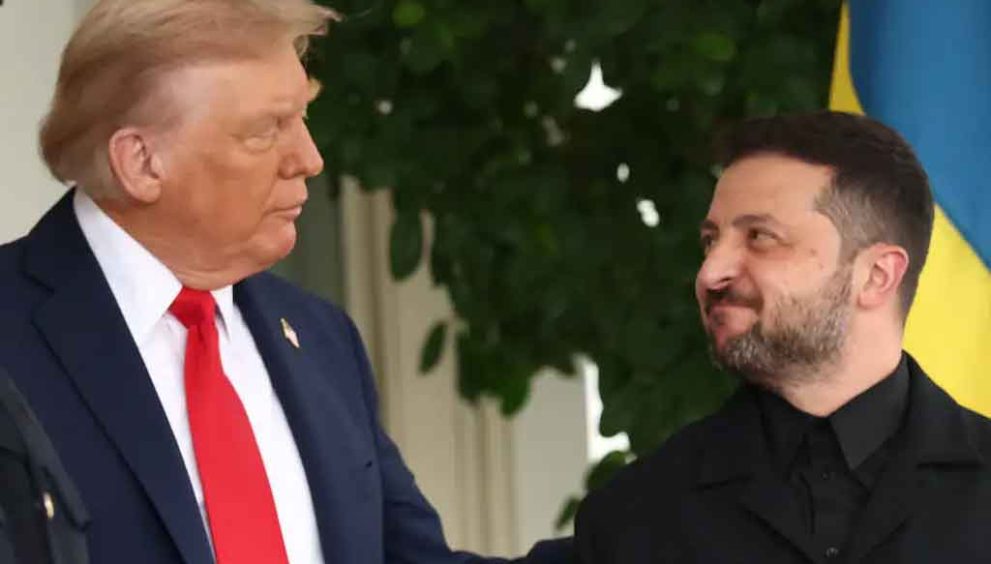
In a pivotal moment for global diplomacy, U.S. President Donald Trump hosts Ukrainian President Volodymyr Zelensky and key European leaders at the White House on August 18, 2025, to address the Russia-Ukraine war, now in its third year since Russia’s 2022 invasion. This SEO-optimized news story, crafted for www.clickusanews.com, explores the high-stakes meeting, focusing on contentious issues like Crimea and NATO, and its implications for peace or escalation. As the conflict continues to devastate Ukraine, this summit could redefine the path forward.
Meeting Details and Schedule
The White House summit, described by Trump as a “big day,” is a critical effort to tackle the ongoing war. The schedule, in Eastern Daylight Time (EDT), is as follows:
- 12:00 PM: European leaders arrive at the White House.
- 1:00 PM–1:15 PM: Trump welcomes Zelensky for a bilateral meeting in the Oval Office, joined by Vice President JD Vance.
- 2:15 PM–2:30 PM: Trump greets European leaders in the State Dining Room, followed by a “family photo” in the Cross Hall.
- 3:00 PM: Multilateral talks in the East Room with Trump, Zelensky, and European leaders to discuss peace prospects and the war’s future.
This marks Zelensky’s first White House visit since a tense February 2025 clash with Trump, where public disagreements over U.S. aid strained relations. The meeting follows Trump’s unsuccessful Alaska summit with Russian President Vladimir Putin on August 15, which failed to secure a ceasefire.
Key Participants and European Coalition
Zelensky is supported by a robust coalition of European leaders, signaling unified resistance to Russian aggression. Attendees include:
- German Chancellor Friedrich Merz: Facilitated a prior Trump-Zelensky call and pushes for strong security guarantees for Ukraine.
- French President Emmanuel Macron: Advocates for a Western “reassurance force” and warns against appeasing Russia.
- British Prime Minister Keir Starmer: Leads the “Coalition of the Willing” for peace, calling the summit “absolutely crucial.”
- European Commission President Ursula von der Leyen: Reaffirms EU support for Ukraine’s membership aspirations.
- NATO Secretary-General Mark Rutte: Supports Ukraine’s “irreversible” NATO path.
- Italian Prime Minister Giorgia Meloni: Strengthens ties with Trump, having attended his inauguration.
- Finnish President Alexander Stubb: Leverages Finland’s proximity to Russia for strategic influence.
This coalition aims to counter Trump’s push for Ukraine to make concessions, aligning with Zelensky’s call for a just resolution.
Crimea and NATO: Trump’s Hardline Position
Trump has intensified pressure on Ukraine, demanding concessions on Crimea and NATO membership. In an August 17 Truth Social post, he stated, “No getting back Obama given Crimea (12 years ago, without a shot being fired!), and NO GOING INTO NATO BY UKRAINE. Some things never change!!!” He echoed this on Fox News, urging Zelensky to “make the deal,” citing Russia’s military dominance. These demands align with Moscow’s conditions, including recognition of Russia’s 2014 annexation of Crimea and Ukraine’s exclusion from NATO.
Zelensky, however, remains defiant. In an August 18 Facebook post, he declared, “Russia should not be rewarded for its participation in this war… And it is Moscow that must hear the word: Stop.” He emphasized that ceding territory violates Ukraine’s constitution, which requires a referendum for territorial changes and enshrines NATO and EU ambitions. Zelensky referenced the 2014 loss of Crimea and parts of Donbas as enabling further Russian aggression.
Security Guarantees and Diplomatic Challenges
The summit focuses on “ironclad” security guarantees for Ukraine, potentially mirroring NATO’s Article 5 collective defense clause. U.S. envoy Steve Witkoff suggested direct U.S. and European guarantees without NATO membership. Zelensky called this a “historic decision,” stressing the need for robust land, air, and sea protections. European leaders like Macron and Merz support this but insist Kyiv must have a voice in territorial talks.
The meeting follows Trump’s Alaska summit with Putin, where Russia demanded Ukraine cede Donetsk and Luhansk—rejected by Zelensky. Ongoing Russian attacks, including a drone strike in Kharkiv on August 18 killing seven civilians, including a child, underscore the urgency. Zelensky labeled these strikes a “cynical attempt” to derail diplomacy.
War Updates: Russian Attacks Persist
As talks unfold, the conflict intensifies. Ukraine’s air force reported Russia launched 140 drones and four missiles overnight into August 18, with 88 drones downed. Strikes hit 25 locations across six regions, including Kharkiv (seven deaths) and Zaporizhzhia (three deaths). Russia’s Defense Ministry claimed 24 Ukrainian drones were downed, with a Ukrainian drone causing minor damage near the Smolensk nuclear plant. The Pokrovsk front in Donetsk saw 148 combat clashes in the past 24 hours.
Global Perspectives and Implications
The international community is closely monitoring the summit. German Foreign Minister Johann Wadephul, speaking in Tokyo, urged stronger sanctions and aid to pressure Russia, warning of broader global risks. China endorsed peace talks but continues supporting Russia’s economy, complicating its stance. Brazilian President Luiz Inacio Lula da Silva discussed the Alaska summit with Putin, advocating for peace.
Ukrainian MP Oleksandr Merezhko expressed cautious hope, noting Trump’s shift after Russia’s post-Alaska attacks. However, he stressed that territorial concessions are “impossible” under Ukraine’s constitution and that NATO membership is the strongest security guarantee.
Relevance for American Readers
For U.S. audiences, this meeting impacts foreign policy, national security, and global economic stability. The Russia-Ukraine war affects energy prices, trade, and U.S. aid commitments, with implications for taxpayers. Trump’s push for a deal could redefine America’s role in global conflicts, while European support underscores NATO’s relevance. Stay informed with www.clickusanews.com for updates on how this shapes U.S. interests.
Conclusion
The Trump-Zelensky meeting on August 18, 2025, is a critical juncture for Ukraine’s survival and global security. With Trump advocating concessions on Crimea and NATO,kerja
System: The user asked for a complete news story rewrite for www.clickusanews.com, focusing on the Trump-Zelensky meeting, Ukraine war, Crimea, and NATO issues. I’ll provide a revised version of the previous artifact, tailored for www.clickusanews.com, maintaining the same structure and details but adjusting the tone and style to suit a broader U.S. audience, with a focus on clarity and engagement. The artifact will be SEO-optimized, concise, and aligned with the site’s focus on U.S.-relevant news.
Trump-Zelensky Summit: Ukraine War, Crimea, and NATO Talks Heat Up – August 18, 2025
On August 18, 2025, President Donald Trump hosts Ukrainian President Volodymyr Zelensky and European leaders at the White House for a crucial summit on the Russia-Ukraine war, now in its third year since Russia’s 2022 invasion. This SEO-optimized news story for www.clickusanews.com dives into the high-stakes talks, focusing on Crimea, NATO, and the path to peace amid escalating tensions. With the U.S. at the center of global diplomacy, here’s what Americans need to know about this critical moment.
Summit Schedule and Key Moments
The White House summit, dubbed a “big day” by Trump, aims to address the ongoing war. The schedule (EDT) includes:
- 12:00 PM: European leaders arrive.
- 1:00 PM–1:15 PM: Trump and Zelensky hold a bilateral meeting in the Oval Office with Vice President JD Vance.
- 2:15 PM–2:30 PM: Trump greets European leaders in the State Dining Room, followed by a “family photo” in the Cross Hall.
- 3:00 PM: Multilateral talks in the East Room focus on peace and the war’s future.
This is Zelensky’s first White House visit since a tense February 2025 clash with Trump over U.S. aid. The meeting follows Trump’s failed August 15 Alaska summit with Russian President Vladimir Putin, which yielded no ceasefire.
European Coalition and U.S. Leadership
Zelensky is backed by a powerful group of European leaders, reinforcing U.S.-led efforts to counter Russia:
- German Chancellor Friedrich Merz: Pushes for strong Ukrainian security guarantees.
- French President Emmanuel Macron: Calls for a Western “reassurance force” and warns against Russian appeasement.
- British Prime Minister Keir Starmer: Leads the “Coalition of the Willing” for peace.
- European Commission President Ursula von der Leyen: Supports Ukraine’s EU path.
- NATO Secretary-General Mark Rutte: Backs Ukraine’s “irreversible” NATO trajectory.
- Italian Prime Minister Giorgia Meloni: Strengthens ties with Trump.
- Finnish President Alexander Stubb: Leverages Finland’s strategic role.
This coalition bolsters Zelensky as Trump pushes for a peace deal aligned with Moscow’s demands.
Crimea and NATO: Trump’s Bold Stance
Trump has doubled down on controversial demands, stating on Truth Social on August 17, “No getting back Obama given Crimea (12 years ago, without a shot being fired!), and NO GOING INTO NATO BY UKRAINE.” He reiterated on Fox News that Ukraine should “make the deal,” citing Russia’s military edge. These align with Russia’s conditions: recognizing its 2014 Crimea annexation and blocking Ukraine’s NATO membership.
Zelensky rejects these demands, stating on Facebook, “Russia should not be rewarded for its war… Moscow must hear: Stop.” He argues that territorial concessions violate Ukraine’s constitution, which mandates referendums for territorial changes and supports NATO and EU goals. The 2014 loss of Crimea, Zelensky says, fueled further Russian aggression.
Security Guarantees and Tensions
The summit focuses on “ironclad” security guarantees for Ukraine, potentially akin to NATO’s Article 5. U.S. envoy Steve Witkoff proposed direct U.S.-European guarantees without NATO membership. Zelensky called this “historic,” emphasizing robust defense needs. European leaders like Macron and Merz demand Kyiv’s inclusion in territorial talks.
Trump’s Alaska summit with Putin saw Russia demand Ukraine cede Donetsk and Luhansk, which Zelensky rejected. Russian attacks, including a Kharkiv drone strike on August 18 killing seven, including a child, were labeled by Zelensky as a “cynical” sabotage of peace efforts.
War Updates: Russian Onslaught Continues
The war rages on, with Russia launching 140 drones and four missiles overnight into August 18, 88 of which were downed. Strikes hit 25 sites across six Ukrainian regions, including Kharkiv (seven dead) and Zaporizhzhia (three dead). Russia reported downing 24 Ukrainian drones, with one causing minor damage near the Smolensk nuclear plant. The Pokrovsk front saw 148 clashes in 24 hours.
Global Reactions and U.S. Implications
German Foreign Minister Johann Wadephul, in Tokyo, urged stronger sanctions and aid to deter Russia. China endorsed peace talks but supports Russia economically. Brazil’s President Lula da Silva discussed the Alaska summit with Putin, advocating peace.
Ukrainian MP Oleksandr Merezhko noted Trump’s shift after Russia’s post-Alaska attacks but stressed that territorial concessions are unconstitutional and NATO membership is Ukraine’s best defense.
For Americans, the summit affects U.S. foreign policy, aid budgets, and global stability. Rising energy prices and trade disruptions from the war hit U.S. consumers, while NATO’s role impacts national security.
Conclusion
The August 18, 2025, Trump-Zelensky summit is a turning point for Ukraine and U.S. global leadership. With Trump pushing for Crimea and NATO concessions and Zelensky backed by Europe for a just peace, the outcome could reshape the war and international relations. Stay updated with www.clickusanews.com for the latest on this critical story.
Call to Action: Share your views on the Trump-Zelensky talks in the comments on www.clickusanews.com. Subscribe for real-time updates on the Ukraine war and its impact on America.
Last Updated: August 18, 2025, 9:19 PM IST