
AI Era Advice: Elon Musk, Jensen Huang Back Physics

AI Era Advice: Elon Musk, Jensen Huang Back Physics
In the rapidly evolving world of artificial intelligence, two of America’s most prominent tech leaders—Elon Musk (CEO of Tesla, SpaceX, and xAI) and Jensen Huang (CEO of Nvidia)—are delivering a bold message to U.S. students: Shift your focus from pure coding to physics and mathematics for long-term success in tech and innovation.
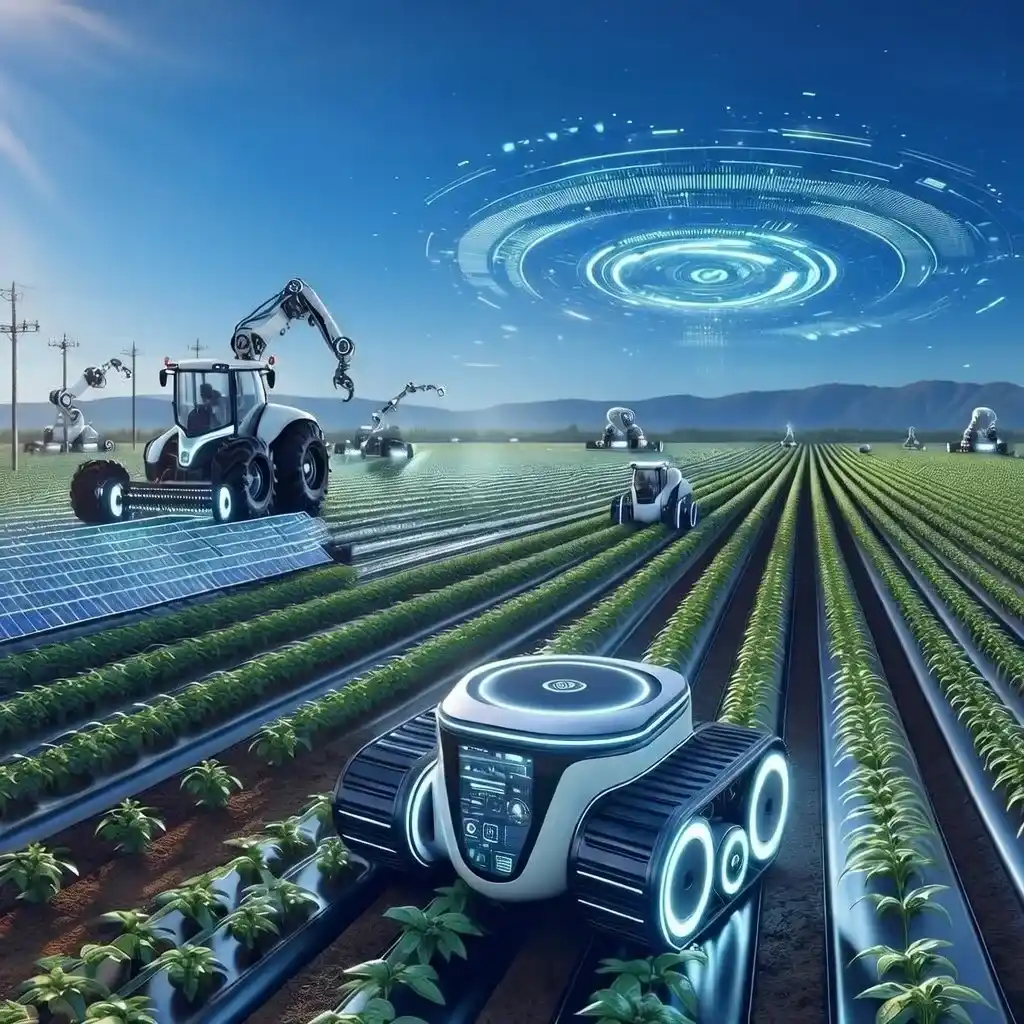
This advice, shared in interviews and discussions during 2025, comes as AI tools increasingly automate routine programming tasks. Musk and Huang argue that deep knowledge of the physical sciences will be essential for tackling real-world challenges in robotics, autonomous vehicles, advanced manufacturing, energy systems, and what Huang calls “Physical AI.”
For American high school and college students—especially those in STEM programs, community colleges, or pursuing degrees at universities like MIT, Stanford, or state schools—this perspective challenges the “learn to code” mantra that has dominated career advice for decades.
Jensen Huang’s Recommendation: Embrace Physical Sciences for AI’s Next Phase
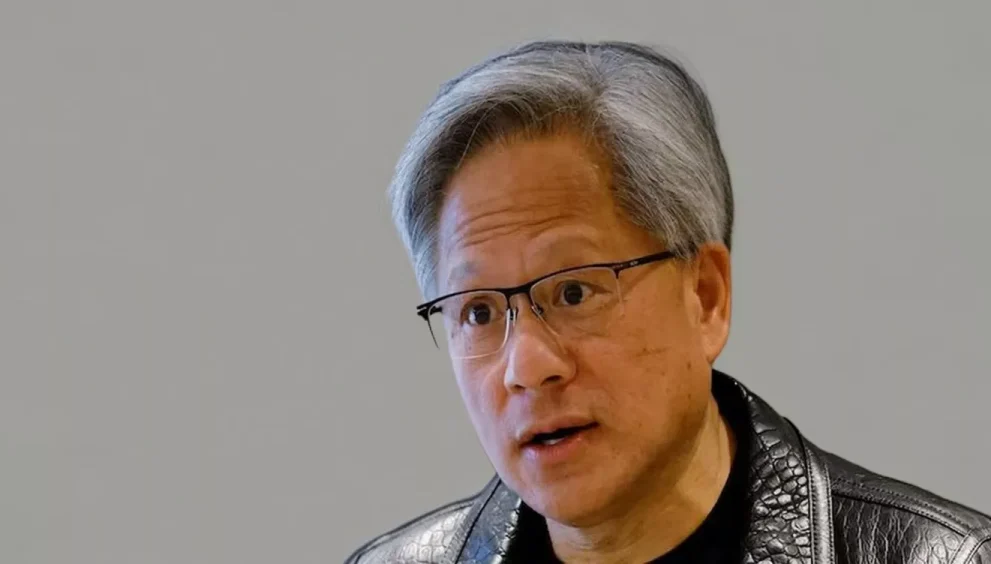
During a high-profile event in Beijing in July 2025, Nvidia CEO Jensen Huang was asked what field he would pursue if he were a 22-year-old graduate today. His response: physical sciences over computer science or software engineering.
Huang, leading the company powering much of the global AI revolution with GPUs, explained that AI is transitioning from digital perception (e.g., generating images or text) to reasoning and physical interaction. Future breakthroughs will depend on understanding real-world principles like friction, inertia, energy, cause-and-effect, and mechanics—core elements of physics.
“The next wave requires us to understand the laws of physics,” Huang stated. With Nvidia’s dominance in AI hardware, he sees massive opportunities in fields where software meets the tangible world, such as robotics, self-driving cars, and industrial automation. For U.S. students eyeing jobs at top tech firms or startups, this means physics-trained engineers will stand out.
Elon Musk’s Stance: “Physics (with Math)” for First-Principles Innovation
Elon Musk echoed this view when responding to Telegram CEO Pavel Durov’s suggestion to “pick math.” Musk’s reply: “Physics (with math).”
Musk has frequently credited his physics education for his approach to problem-solving at Tesla (electric vehicles and autonomy) and SpaceX (reusable rockets and space exploration). He promotes first-principles thinking—deconstructing problems to fundamental truths—rather than relying on conventions or existing solutions. In an era where AI can generate code quickly, Musk believes true breakthroughs require understanding the universe’s underlying rules.
This mindset has fueled American innovation for generations, from NASA’s Apollo program to modern Silicon Valley successes.
Why This Matters for American Students and the U.S. Economy
- AI Automates Routine Coding: Advanced models now write, debug, and optimize code, potentially reducing demand for entry-level software roles.
- Growth in Physical AI & Robotics: The U.S. leads in embodied AI (robots that interact with the real world), autonomous systems, clean energy, and semiconductors—areas demanding physics and math expertise.
- Future-Proof Careers: These foundational skills foster critical thinking, system modeling, and logical reasoning that AI augments but doesn’t fully replace.
- Interdisciplinary Opportunities: Combining physics/math with AI opens doors to high-demand fields like quantum computing, advanced materials, sustainable tech, and defense innovation.
Coding isn’t going away—it’s becoming a tool best used by those with strong scientific grounding.
Guidance for U.S. Students, Parents, and Educators
- Build strong foundations in physics (mechanics, electromagnetism, thermodynamics) and math (calculus, linear algebra, differential equations) through AP/IB courses, community college classes, or online resources like Khan Academy and MIT OpenCourseWare.
- Integrate AI tools to enhance learning—use them for simulations or problem-solving, not as a shortcut.
- Explore programs in computational physics, robotics engineering, or AI for scientific discovery at U.S. universities.
- Seek internships or research in labs working on real-world AI applications.
As AI reshapes industries, the most impactful American innovators will be those who master the laws of physics—not just how to program around them.
Stay informed with ClickUSANews.com for the latest on AI trends, education shifts, tech leadership insights, and what’s next for America’s innovation economy.
For more USA news check:
https://clickusanews.com/news/
Latest USA breaking news, national headlines, global affairs, and trending stories.
https://clickusanews.com/sports/
USA sports news, live scores, match highlights, athlete updates, and major sporting events.
https://clickusanews.com/technology/
Technology news covering AI, gadgets, innovation, cybersecurity, and digital trends in the USA.
https://clickusanews.com/entertainment-movies-ott/
Entertainment updates including movies, OTT releases, celebrity news, and pop culture stories.
https://clickusanews.com/business/
Business and finance news with USA market updates, corporate stories, crypto, and economic insights