

Iran War 2026: Impact on Americans Explained


Iran War 2026: Impact on Americans Explained
The 2026 Iran War, which began on February 28 with US-Israel strikes on Iranian targets, has now stretched into its second month as of late March 2026. Iran’s retaliatory actions, particularly disruptions in the Strait of Hormuz, have caused a dramatic oil price shock while triggering unexpected movements in precious metals and cryptocurrencies.
For average Americans — whether commuting to work, managing household budgets, saving for retirement in 401(k)s and IRAs, or exploring alternative investments — these asset shifts have real-world consequences. This ClickUSANews.com breakdown examines the Iran war impact on gold, silver, oil, and crypto from an American perspective.
1. Oil: Surging Prices Hit Wallets Hard
Oil has been the dominant story of the conflict, delivering one of the sharpest monthly gains in history.
- Price Surge: Brent crude has climbed over 50% since late February, rising from around $70-75 per barrel to peaks above $119 and currently trading near $105-112 per barrel. WTI (US crude) has followed closely, often hovering near or above $100.
- Why the Spike?: Partial closure and attacks related to the Strait of Hormuz — which carries about 20% of global oil supply — have created supply fears, higher shipping costs, and insurance premiums.
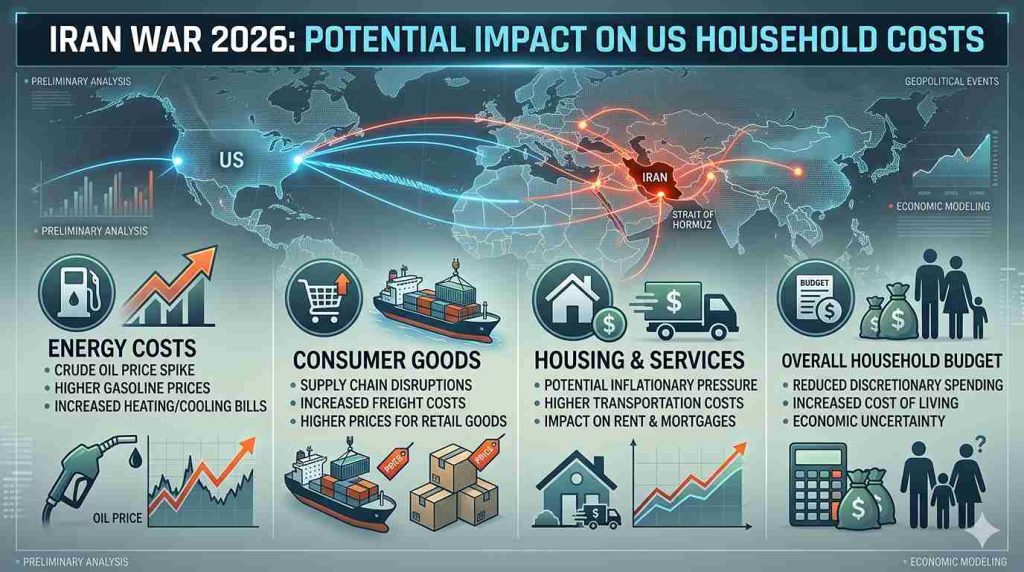
- Impact on Everyday Americans: National average gasoline prices have risen to roughly $3.70-$4.20 per gallon, with some states like California seeing $5+ levels. For a typical family filling up twice a week, this adds $80-$150+ per month in extra fuel costs. Higher energy prices also push up grocery bills, delivery fees, airfares, and trucking expenses, acting like an indirect tax on households.
While America’s domestic shale production provides a buffer (making the US less vulnerable than many import-dependent nations), sustained high prices risk slower economic growth and renewed inflation pressures.
American Tip: Look for fuel-efficient driving habits, monitor gas apps for deals, and consider energy stocks or ETFs in retirement accounts, which have outperformed amid the surge.
2. Gold: Unexpected Decline Despite Geopolitical Tensions
Gold, traditionally a safe-haven during wars and crises, has instead posted sharp losses.
- Price Movement: Spot gold initially spiked (briefly nearing $5,300+) but has since fallen significantly. As of late March 2026, it trades around $4,450-$4,530 per ounce, with some reports showing declines of 14-20% or more since the war began — including its worst weekly drop in decades.
- Reasons: Surging oil prices have fueled inflation fears, reducing expectations for Federal Reserve rate cuts. A stronger US dollar (seen as the ultimate safe haven in this scenario) and higher bond yields have pressured gold prices downward. Investors have rotated toward cash or energy assets.
- Impact on Americans: Many hold gold through ETFs (like GLD), physical coins/bars, or jewelry. Retirement portfolios or diversified savings have taken a hit from this correction. Those who bought near recent highs are seeing paper losses, though long-term holders view it as a potential buying opportunity if uncertainty persists.
Advice for Americans: Gold remains a hedge against prolonged crises or recession risks. Avoid panic selling; consider dollar-cost averaging if adding to positions, but stay within your overall risk tolerance.
3. Silver: Even Steeper Losses and Higher Volatility
Silver has suffered more dramatically than gold due to its dual role as both a precious metal and an industrial commodity.
- Price Action: Silver prices have dropped sharply — down 20-25% or more in some periods — currently trading near $68-$73 per ounce, with significant daily swings.
- Drivers: Industrial demand concerns (electronics, solar, manufacturing) from potential economic slowdown, combined with the same inflation and dollar-strength pressures affecting gold.
- Impact on Americans: Silver investments via ETFs (like SLV), coins, or collectibles are common in many portfolios. The decline has affected diversified holdings, though lower prices could benefit industrial users or bargain hunters. Everyday investors in precious metals funds have seen amplified volatility.
Tip: Silver often moves more extremely than gold. Use it as part of a broader precious metals allocation rather than relying on it solely for crisis protection.
4. Crypto: Surprising Resilience Amid the Turmoil
Cryptocurrencies, led by Bitcoin, have shown notable strength compared to traditional safe havens.
- Bitcoin Performance: BTC has traded in the $66,000-$75,000 range, with periods of gains (up 8-14% in stretches since the war started). It has been called an “oasis of calm” by some analysts, outperforming gold and broader stocks at times despite overall market volatility.
- Why Crypto Held Up Better: 24/7 trading, perception as a modern digital hedge, and non-correlation with oil-driven inflation have helped. Institutional interest and regulatory developments in the US also played a role.
- Impact on Americans: Many tech-savvy or younger investors hold crypto directly, in IRAs, or through apps. The relative stability has been a bright spot for risk-tolerant portfolios, though sharp swings still occur. Those with exposure have seen less downside than in precious metals during this period.
Practical Advice: Treat crypto as high-risk, high-reward diversification. Use only funds you can afford to lose, maintain proper tax records, and consider regulated platforms.
Key Takeaways for Americans
The Iran war 2026 has produced counterintuitive market reactions:
- Oil is the clear winner, raising everyday living costs but supporting energy-related investments.
- Gold and Silver have bucked historical safe-haven trends due to inflation worries and a strong dollar — creating short-term pain but possible long-term entry points.
- Crypto has demonstrated resilience, offering a partial alternative hedge in a digital economy.
Higher energy costs are the most immediate effect for most American families, while investment portfolios face mixed outcomes depending on asset allocation. The US benefits from being a major energy producer, providing some cushion compared to other nations.
What Should You Do?
- Review your budget for higher gas and grocery expenses.
- Check 401(k) and IRA exposure to energy, precious metals, or crypto.
- Diversify thoughtfully and avoid emotional decisions.
- Stay informed on diplomatic developments — de-escalation could quickly shift prices.
Markets remain highly fluid. If the Strait of Hormuz situation improves or talks progress, oil could moderate and support rate-cut hopes, potentially lifting other assets.
This analysis reflects market conditions as of late March 2026. Asset prices change rapidly — always verify current data. This is for informational purposes only and not personalized financial advice. Consult a qualified advisor for your situation.
Published by ClickUSANews.com — Delivering Clear, Reliable US News, Economy, and Market Insights for American Readers.
Related Searches: Iran war 2026 oil prices USA, gold prices during Iran conflict, silver market impact 2026, Bitcoin performance Iran war, gas price hike effect on Americans, investment strategies amid Middle East conflict.
Stay updated with ClickUSANews.com for ongoing coverage of how global events shape American wallets and markets
For more USA news check:
https://clickusanews.com/news/
Latest USA breaking news, national headlines, global affairs, and trending stories.
https://clickusanews.com/sports/
USA sports news, live scores, match highlights, athlete updates, and major sporting events.
https://clickusanews.com/technology/
Technology news covering AI, gadgets, innovation, cybersecurity, and digital trends in the USA.
https://clickusanews.com/entertainment-movies-ott/
Entertainment updates including movies, OTT releases, celebrity news, and pop culture stories.
https://clickusanews.com/business/
Business and finance news with USA market updates, corporate stories, crypto, and economic insights