


Shroud of Turin DNA Study Links to Ancient India

Shroud of Turin DNA Study Links to Ancient India
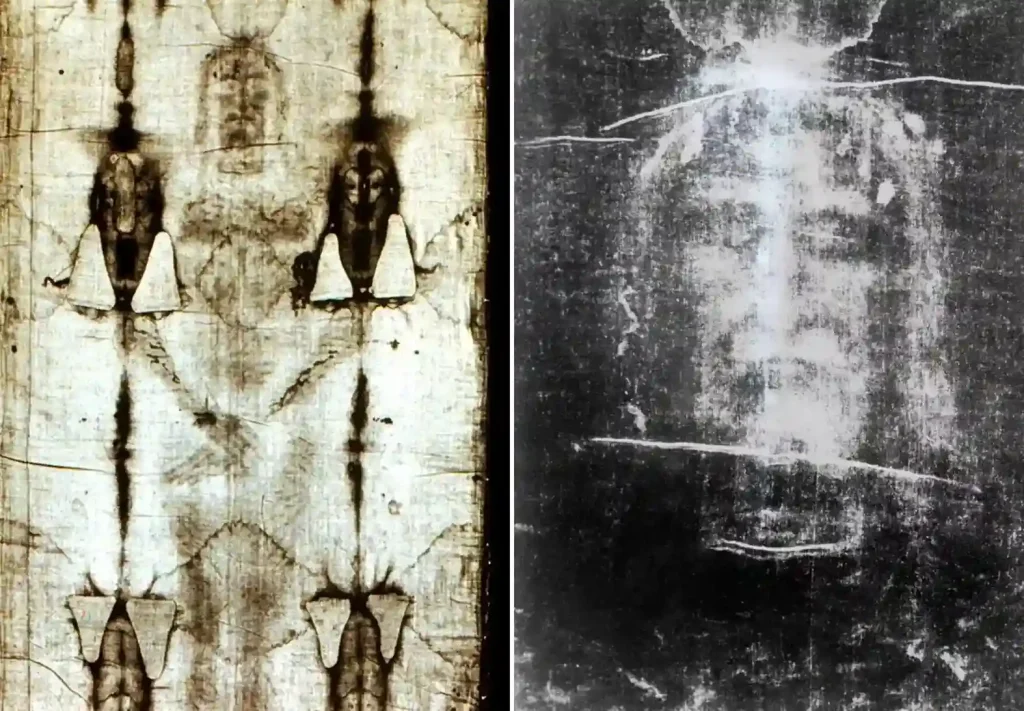
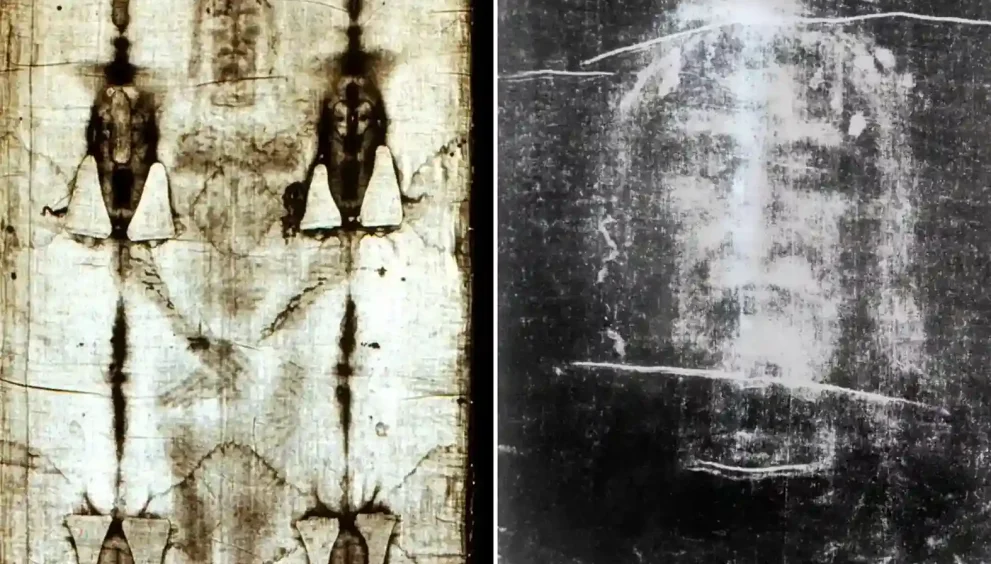
A fresh scientific study has added another layer of intrigue to one of Christianity’s most famous and debated relics: the Shroud of Turin. Researchers at the University of Padova in Italy, led by Professor Gianni Barcaccia, re-analyzed dust and material samples collected from the linen cloth back in 1978. Their latest findings, posted on bioRxiv (and still awaiting full peer review), show that nearly 40% (specifically around 38.7%) of the human DNA traces on the shroud come from Indian lineages — a surprisingly high proportion that points to possible ancient connections between the Mediterranean world and the Indian subcontinent.Newscientist
For many Americans who value innovation, history, and the power of free trade, this discovery highlights something timeless: even in the ancient world, superior goods, ideas, and craftsmanship traveled vast distances through commerce and cultural exchange — much like today’s global supply chains.
What the DNA Study Actually Found
The team examined genetic material embedded in the shroud’s fibers, including mitochondrial DNA from humans as well as traces from plants, animals, and microbes accumulated over centuries.
Key points from the research:
- Strong Indian genetic signature: About 38.7% of the human DNA sequences link to lineages typical of the Indian subcontinent (haplogroups such as M39, M56, R7, and R8). This is far higher than expected for a relic long associated with the Holy Land and medieval Europe.
- Mixed origins overall: Over 55% of the DNA traces align with Near Eastern populations, with smaller contributions from Western Europe and other regions — consistent with the shroud’s documented journey through Jerusalem, Turkey, France, and Italy.
- Possible yarn origin: The researchers suggest the flax yarn or linen itself may have been produced in or near the Indus Valley region of ancient India and later imported into the Mediterranean, possibly by Roman traders. They note that the Greek term “Sindôn” (used in the Gospels for the fine linen shroud) may derive from “Sindh,” a historic area in the Indian subcontinent famous for high-quality textiles.
- Heavy contamination expected: The shroud has been handled by countless people over 600+ years of veneration, plus modern sampling in 1978. Scientists stress that the DNA does not identify any single individual (including Jesus) and cannot prove or disprove the shroud’s religious claims.
This builds on Barcaccia’s earlier 2015 study, which first raised the possibility of Indian manufacture based on similar genetic and botanical clues.Pmc.ncbi.nlm.nih
An American Perspective: Trade, Innovation, and Civilizational Exchange
Americans understand better than most that great products cross oceans. From colonial times to today’s tech and manufacturing supply chains, the U.S. has thrived on importing the best materials and ideas while exporting its own ingenuity.
Ancient India was a powerhouse of textile innovation. The Indus Valley Civilization (one of the world’s earliest urban societies, flourishing over 4,000 years ago) developed advanced cotton cultivation, dyeing, and weaving techniques. Fine fabrics from the region — including linen and cotton — were highly prized and exported across the known world.
Roman writers like Pliny the Elder complained about the huge trade deficit with India for spices, gems, and luxury textiles. Ports in what is now India and Pakistan shipped goods through the Red Sea and overland routes to the Roman Empire. It is entirely plausible that top-quality Indian linen made its way to the eastern Mediterranean and was used for important purposes, including burial cloths.
The linguistic link is also striking: “Sindôn” potentially tracing back to “Sindh” or “Hind” echoes how place names and product origins traveled with goods — similar to how we still associate “cashmere” with Kashmir or “calico” with Calicut in India.
This doesn’t diminish the Shroud’s significance for Christians who see it as a possible witness to the crucifixion and resurrection. Instead, it adds a fascinating chapter to human history: even a sacred relic can carry the fingerprints of global commerce. The DNA mix reflects centuries of pilgrims, handlers, and environmental exposure across continents — a reminder that history is rarely isolated.
Important caveats remain. The 1988 radiocarbon dating placed the cloth in the medieval period (though some experts contest that result), and the new genetic data is heavily influenced by later contamination. Scientists emphasize that the findings illuminate the shroud’s journey and handling, not its ultimate authenticity as a first-century artifact.
Why This Matters Today
In an era of renewed focus on supply chains, rare-earth minerals, and strategic trade, this story shows that long-distance exchange is nothing new. Ancient civilizations were interconnected through markets, much like modern America benefits from efficient global sourcing while protecting innovation at home.
For Christians, the Shroud continues to inspire faith and scientific curiosity. For historians and everyday readers, the Indian DNA traces serve as evidence of India’s outsized role in early world trade — a civilization that produced not just spiritual wisdom but world-class craftsmanship.
As researchers call for more interdisciplinary study (combining genetics, archaeology, and ancient trade records), the Shroud of Turin remains a powerful symbol of mystery, devotion, and human connection across time and borders.
The full story is still unfolding. Whether the shroud is a medieval creation or something far older, its possible Indian material roots underscore a simple truth: the best goods have always found their way to where they are valued most.
This article provides a straightforward, fact-based overview of the latest reported DNA findings for general readers. Scientific interpretations continue to evolve and require careful verification.
Stay curious. History has more surprises ahead.
For more USA news check:
https://clickusanews.com/news/
Latest USA breaking news, national headlines, global affairs, and trending stories.
https://clickusanews.com/sports/
USA sports news, live scores, match highlights, athlete updates, and major sporting events.
https://clickusanews.com/technology/
Technology news covering AI, gadgets, innovation, cybersecurity, and digital trends in the USA.
https://clickusanews.com/entertainment-movies-ott/
Entertainment updates including movies, OTT releases, celebrity news, and pop culture stories.
https://clickusanews.com/business/
Business and finance news with USA market updates, corporate stories, crypto, and economic insights