

Operation Epic Fury: Full Story of Iran War 2026


Operation Epic Fury: Full Story of Iran War 2026
By Click USA News Staff Hyderabad, March 31, 2026 – The United States and Israel are engaged in an ongoing armed conflict with Iran, now in its fifth week, following a surprise joint military operation launched on February 28, 2026. What began as targeted strikes under Operation Epic Fury (U.S.) and Operation Roaring Lion (Israel) has escalated into a full-scale air and missile war, with President Donald Trump warning of further destruction to Iranian energy infrastructure if the Strait of Hormuz is not reopened.
How the War Began: The February 28 Surprise Attack
On February 28, 2026, U.S. and Israeli forces executed a massive coordinated airstrike campaign across Iran. The operation struck over 500 targets in the first wave, including military bases, missile production facilities, nuclear sites, and leadership compounds. Supreme Leader Ali Khamenei and several top Iranian officials, including Ali Larijani and other IRGC commanders, were assassinated in the initial hours.
The strikes occurred even as indirect nuclear negotiations were underway. U.S. officials described the action as necessary to dismantle Iran’s ballistic missile program, nuclear ambitions, and support for proxy militias. Iran responded immediately with Operation True Promise IV, launching over 1,200 ballistic missiles and 2,300 drones at Israel, U.S. bases in the Gulf, and allied nations.
Civilian sites were hit early, including a school in Minab, Hormozgan province, where more than 168 people — including over 100 children — were killed in a U.S. strike.
Key Phases of the War (February 28 – March 31, 2026)
- Early March (Days 1–10): U.S. and Israeli forces destroyed key missile factories at Khojir, Shahroud, Parchin, and Hakimiyeh, halting Iran’s short- and medium-range ballistic missile production. Iran retaliated by striking U.S. bases in Saudi Arabia (Prince Sultan), Qatar (Al Udeid), and others, wounding U.S. troops and damaging aircraft, including E-3 Sentry AWACS planes. Hezbollah escalated in Lebanon, and the Houthis joined the fight.
- Mid-March: Strikes expanded to oil and gas infrastructure (Kharg Island raids, South Pars field). Iran closed the Strait of Hormuz to “enemy” shipping and began imposing tolls in Chinese yuan. Cultural and historical sites in Isfahan and Tehran suffered damage.
- Late March (Days 20–31): U.S. forces have now struck over 11,000 targets. Iran’s missile and drone launches have dropped sharply (down 90% and 83%, respectively). Recent heavy overnight strikes targeted Tehran’s power infrastructure and the city of Isfahan (home to the Badr military airbase), causing massive columns of fire and explosions visible across the city.
Latest Developments (March 30–31, 2026): Israeli strikes hit 170 targets in the past 24 hours, focusing on weapons research and military headquarters in western Iran. U.S.-Israeli forces struck an orphanage in Iran, killing at least two people. Intense bombardment lit up Isfahan overnight, with fires reported near the Badr airbase and ammunition depots.
An Iranian drone struck a fully loaded Kuwaiti oil tanker near Dubai, triggering a fire (later extinguished) and oil-spill fears. President Trump renewed his threat: “If the Hormuz Strait is not immediately ‘Open for Business,’ we will conclude our lovely ‘stay’ in Iran by blowing up and completely obliterating all of their Electric Generating Plants, Oil Wells and Kharg Island.” He claimed “great progress” toward a deal while stating Iran has undergone “regime change.”
Casualties and Human Cost
- Iran: 2,000–6,900 killed (including military and civilians); thousands injured. Civilian deaths include strikes on schools, hospitals, and an orphanage.
- United States: At least 15 soldiers killed, over 300 wounded; multiple aircraft and bases damaged.
- Israel and Allies: Dozens killed, thousands injured across the region.
- Total regional toll: Over 3,400–9,000 dead, 36,000+ injured.
Current Status and Outlook
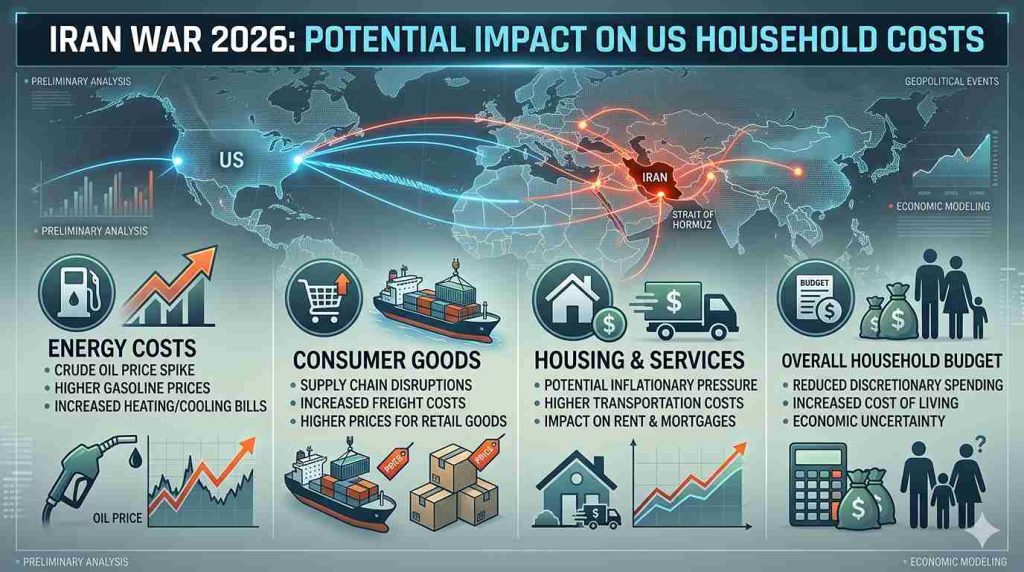
The war remains active. Iran’s new Supreme Leader, Mojtaba Khamenei (elected March 8), has vowed continued resistance. The Strait of Hormuz is partially restricted, driving global oil prices above $100–$115 per barrel and raising fears of economic fallout.
Trump has delayed threatened strikes on power plants and desalination facilities while pushing for negotiations. No full regime change has occurred, and Iran continues limited missile and drone operations plus proxy attacks.
Click USA News will continue to monitor this rapidly developing situation. Pentagon officials are scheduled to brief Congress and the public soon. For live updates, follow breaking news on U.S. involvement in the Middle East.
For more USA news check:
https://clickusanews.com/news/
Latest USA breaking news, national headlines, global affairs, and trending stories.
https://clickusanews.com/sports/
USA sports news, live scores, match highlights, athlete updates, and major sporting events.
https://clickusanews.com/technology/
Technology news covering AI, gadgets, innovation, cybersecurity, and digital trends in the USA.
https://clickusanews.com/entertainment-movies-ott/
Entertainment updates including movies, OTT releases, celebrity news, and pop culture stories.
https://clickusanews.com/business/
Business and finance news with USA market updates, corporate stories, crypto, and economic insights