


Is the US Heading for a Recession in 2026?


Is the US Heading for a Recession in 2026?
As of late March 2026, the United States is not in a recession. The National Bureau of Economic Research (NBER) has not declared one, and the economy continues to expand—albeit with clear cracks appearing under the surface.
Yet headlines are filled with warnings: surging oil prices tied to Middle East tensions, a surprise drop in February jobs, and consumer pessimism at record highs. Wall Street economists have bumped up recession odds to 30-50% over the next 12 months—well above the normal 20% baseline.
In this SEO-optimized guide, we break down the latest US recession signals for 2026, expert forecasts, key risk factors, and actionable steps every American should take right now. Whether you’re worried about your job, investments, or household budget, this is the most up-to-date analysis you’ll find.
Current US Economic Indicators (March 2026 Snapshot)
Here’s what the hard data shows as of late March 2026:
- GDP Growth: Q4 2025 came in at a sluggish +0.7% annualized. Full-year 2025 growth was decent, but momentum has slowed. Most forecasters (including the Federal Reserve) project 2.2–2.4% real GDP growth for 2026—solid but far from booming.
- Unemployment Rate: 4.4% in February 2026 (up slightly from 4.3%). The February jobs report shocked markets with a net loss of 92,000 jobs—the weakest print in years.
- Inflation: CPI at 2.4% year-over-year. PCE (Fed’s preferred gauge) is running hotter at ~2.7–2.9% due to energy prices. Core inflation remains sticky.
- Labor Market: “Low-hire, low-fire” equilibrium, but recent weakness in non-tech sectors and weather/strike effects have raised alarms.
- Consumer Sentiment: 65% of Americans now expect a recession in the next 12 months (up 6 points in March).
Bottom line: The economy is still growing, but the margin for error has narrowed dramatically.
What Do Experts Say? 2026 Recession Odds
Wall Street and prediction markets have grown noticeably more cautious in March 2026:
| Source | Recession Odds (Next 12 Months) | Notes |
|---|---|---|
| Moody’s Analytics | 48.6% | “Uncomfortably high and on the rise” |
| EY-Parthenon | 40% (could rise quickly) | Tied to Middle East conflict duration |
| Goldman Sachs | 30% | Trimmed GDP forecast to 2.1% |
| S&P Global Ratings | 30% | Up from ~20% pre-conflict |
| Polymarket (crowd) | ~35–38% | Down slightly after peace talk rumors |
| Kalshi | ~33% | Volatile with oil prices |
Most economists still see a soft-landing baseline (modest growth, no deep contraction), but downside risks are the highest they’ve been since 2022. A few forecasts (Deloitte’s downside scenario) even pencil in mild GDP contraction in 2027–2028 if shocks persist.
Major Factors That Could Trigger a 2026 Recession
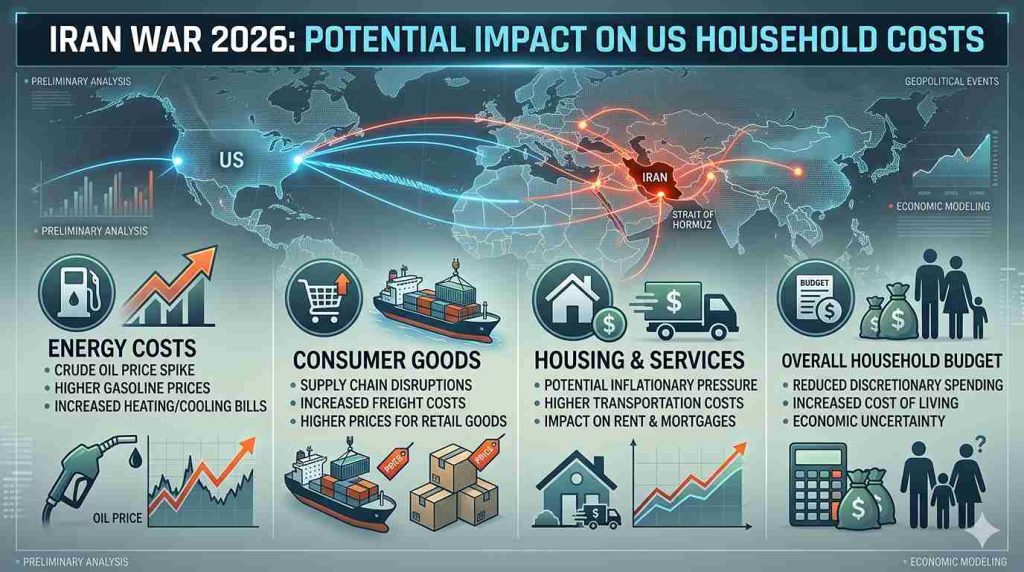
- Geopolitical Shock – The Iran/Middle East Conflict Oil prices have spiked sharply. The longer the Strait of Hormuz remains threatened, the higher the chance of an energy-driven inflation surge and consumer squeeze. Economists warn this single factor could push recession odds above 50%.
- Softening Labor Market + Labor Supply Issues Lower net migration and demographic shifts have raised the “breakeven” job growth rate. Recent negative payroll prints suggest the economy may already be below that threshold.
- Sticky Inflation + Fed Policy The Federal Reserve’s March 2026 projections show PCE inflation at 2.7% for the year. Markets expect only 1–2 rate cuts in 2026—less easing than hoped.
- AI Boom vs. “K-Shaped” Economy AI-related capital spending is a bright spot keeping growth afloat, but gains are concentrated among tech giants and high-income households. Non-tech demand and lower-income spending remain sluggish.
- Other Risks: Potential new tariffs, high federal deficits, and weakening consumer confidence.
Recession Warning Signs to Watch in 2026
- Two consecutive quarters of negative GDP growth (technical recession definition)
- Unemployment rising above 4.7–5.0%
- Sustained oil prices above $100/barrel
- Inverted yield curve reappearing or credit spreads widening sharply
How to Prepare for a Possible US Recession in 2026
Even if a recession is not guaranteed, smart preparation pays off:
- Build an Emergency Fund: Aim for 6–9 months of expenses in a high-yield savings account.
- Review Your Debt: Pay down high-interest credit cards and variable-rate loans before rates potentially stay “higher for longer.”
- Diversify Investments: Consider defensive sectors (utilities, consumer staples) and maintain a balanced stock/bond mix. Avoid over-exposure to cyclical tech if AI hype cools.
- Protect Your Job: Update your résumé, build skills in AI-resistant or AI-enhanced fields, and network aggressively.
- Budget for Higher Costs: Energy and grocery prices may stay elevated longer than expected.
- Monitor Fed Moves: Any surprise rate cuts could signal policymakers see bigger trouble ahead.
Frequently Asked Questions (FAQ)
Is the US officially in a recession right now? No. The NBER has not declared one, and GDP remains positive.
When would a 2026 recession most likely start? Economists point to Q3 or Q4 2026 if oil shocks or labor weakness intensify.
Will the Fed cut rates aggressively to prevent a recession? Current projections show only modest easing. The Fed remains data-dependent and inflation-focused.
How bad could a 2026 recession be? Most models point to a mild, short recession (similar to 2001) rather than 2008-style collapse—thanks to strong household balance sheets and AI investment.
Final Thoughts: Stay Informed, Stay Prepared
The US economy in 2026 is resilient but clearly under pressure. While a full-blown recession is far from certain, the risk level is the highest in years. Geopolitical events, energy prices, and a softening jobs market will dictate the next few quarters.
At ClickUSA News, we’ll keep you updated with real-time analysis, expert interviews, and practical money advice. Bookmark this page and subscribe to our newsletter for monthly economic updates straight to your inbox.
What do you think—will the US avoid a recession in 2026? Drop your thoughts in the comments below, and share this article if it helped you understand the current outlook.
Last updated: March 31, 2026 Sources include Federal Reserve, Moody’s, Goldman Sachs, S&P Global, Polymarket, Deloitte, and official BEA/BLS data.
Stay ahead of the curve with ClickUSA News – your trusted source for unbiased US economy and recession coverage.
For more USA news check:
https://clickusanews.com/news/
Latest USA breaking news, national headlines, global affairs, and trending stories.
https://clickusanews.com/sports/
USA sports news, live scores, match highlights, athlete updates, and major sporting events.
https://clickusanews.com/technology/
Technology news covering AI, gadgets, innovation, cybersecurity, and digital trends in the USA.
https://clickusanews.com/entertainment-movies-ott/
Entertainment updates including movies, OTT releases, celebrity news, and pop culture stories.
https://clickusanews.com/business/
Business and finance news with USA market updates, corporate stories, crypto, and economic insights


