
SpaceX Starlink Mission: 25 Satellites Deployed

SpaceX Starlink Mission: 25 Satellites Deployed
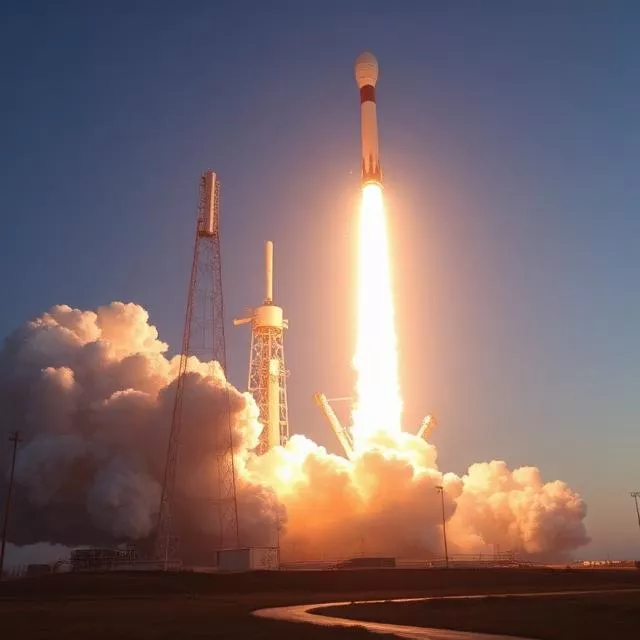
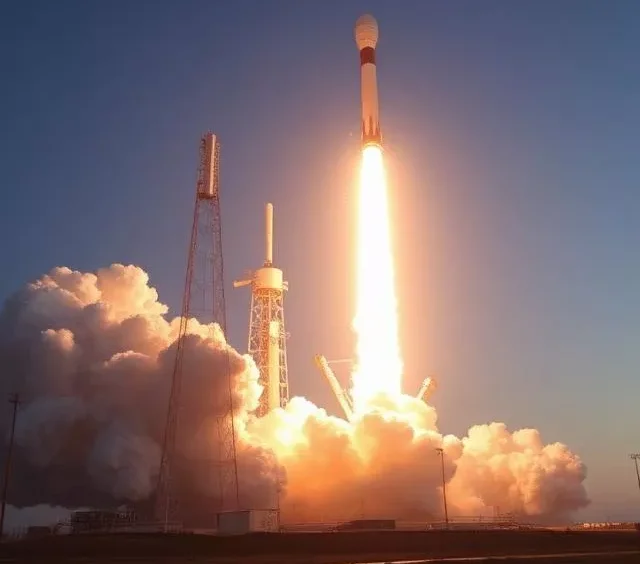
SpaceX continues its rapid pace of satellite deployments with another flawless Falcon 9 mission from the West Coast. On March 20, 2026, a Falcon 9 rocket lifted off from Space Launch Complex 4 East (SLC-4E) at Vandenberg Space Force Base in California, carrying 25 Starlink V2 Mini Optimized satellites into low-Earth orbit (LEO). This Starlink Group 17-15 mission marks another milestone in Elon Musk’s ambitious plan to deliver high-speed, low-latency internet to underserved regions worldwide.
The launch occurred at 2:51:49 p.m. PDT (5:51:49 p.m. EDT / 21:51:49 UTC). The rocket followed a southerly trajectory, which is typical for Vandenberg launches to achieve polar or near-polar orbits ideal for global Starlink coverage.
Mission Highlights
- Payload: 25 next-generation Starlink V2 Mini satellites, designed for improved performance, higher bandwidth, and better coverage.
- Booster: First-stage booster B1100 on its fourth flight. It previously supported the NROL-105 mission and two earlier Starlink batches.
- Booster Landing: Successful touchdown on the droneship “Of Course I Still Love You” (OCISLY) in the Pacific Ocean about 8 minutes after liftoff. This added to SpaceX’s impressive tally of booster recoveries (around the 589th landing at the time).
- Satellite Deployment: The 25 satellites were deployed into their target orbit roughly an hour after launch.
This was SpaceX’s 30th Starlink batch of 2026, underscoring the company’s aggressive expansion of its constellation, which is approaching or has already surpassed significant milestones like 10,000 operational satellites in orbit.
Note: Similar 25-satellite Starlink missions from Vandenberg (such as Group 17-17 on March 26, 2026) have followed closely, reflecting the high cadence of operations from California.
Why Starlink Launches from California Matter
Vandenberg Space Force Base provides a strategic location for placing satellites into high-inclination orbits. These orbits allow Starlink to deliver reliable connectivity over a wider range of latitudes, including polar regions, remote areas, and maritime routes.
Each successful Falcon 9 mission not only adds capacity to the network but also demonstrates the reusability that keeps launch costs low. SpaceX has reused boosters dozens of times, making satellite internet more economically viable than traditional methods.
Benefits of Starlink Internet
Starlink is transforming connectivity for:
- Rural and Remote Areas: Bringing broadband to places where fiber or traditional satellite internet is unavailable or too slow.
- Disaster Response: Providing instant communication when ground infrastructure fails.
- Maritime and Aviation: Enabling high-speed internet at sea and in the air.
- Global Coverage: Aiming for near-worldwide access, including in developing regions and high-latitude countries.
Users report low latency (often under 50ms in optimal conditions) and speeds suitable for streaming, video calls, online gaming, and business operations.
SpaceX’s Reusability Milestone
The successful landing of the Falcon 9 first stage highlights the maturity of reusable rocket technology. By recovering and reflown boosters, SpaceX has dramatically reduced the cost per launch, accelerating the build-out of the Starlink constellation while also supporting other commercial and government missions.
What’s Next for Starlink?
SpaceX plans dozens more launches in 2026, with additional missions already scheduled from both California and Florida. The company is also advancing Starship development for even larger satellite deployments in the future.
As the constellation grows, Starlink is expected to offer even better performance through laser inter-satellite links and upgraded hardware (like the latest Starlink Mini and Standard kits).
Conclusion
The Falcon 9’s successful deployment of 25 Starlink satellites from Vandenberg Space Force Base reinforces SpaceX’s leadership in space transportation and satellite broadband. This mission brings the world one step closer to universal high-speed internet access.
Whether you’re a space enthusiast, potential Starlink user, or simply interested in how technology is shrinking the digital divide, these launches represent exciting progress.
Stay tuned for more updates on SpaceX, Starlink availability in your area, and upcoming missions. Have you experienced Starlink internet yet? Share your thoughts in the comments!
For more USA news check:
https://clickusanews.com/news/
Latest USA breaking news, national headlines, global affairs, and trending stories.
https://clickusanews.com/sports/
USA sports news, live scores, match highlights, athlete updates, and major sporting events.
https://clickusanews.com/technology/
Technology news covering AI, gadgets, innovation, cybersecurity, and digital trends in the USA.
https://clickusanews.com/entertainment-movies-ott/
Entertainment updates including movies, OTT releases, celebrity news, and pop culture stories.
https://clickusanews.com/business/
Business and finance news with USA market updates, corporate stories, crypto, and economic insights