



Netanyahu’s Nobel Peace Prize Nomination for Trump Sparks Global Outrage in 2025

Netanyahu’s Nobel Peace Prize Nomination for Trump Sparks Global Outrage in 2025
In a move that has reignited debates about peace, justice, and accountability, Israeli Prime Minister Benjamin Netanyahu nominated U.S. President Donald Trump for the Nobel Peace Prize on July 7, 2025, during a White House meeting. The nomination, tied to Trump’s efforts to broker ceasefires in the Middle East, including Gaza, has drawn sharp criticism due to Netanyahu’s International Criminal Court (ICC) arrest warrant for alleged war crimes and Trump’s support for policies accused of enabling Palestinian displacement. For NRIs and global audiences, this news post for www.clickusanews.com unpacks the controversy, its historical parallels, and why it matters.
Netanyahu’s Nomination: A Controversial Gesture
On July 7, 2025, Netanyahu presented Trump with a letter nominating him for the Nobel Peace Prize, citing his role in the Abraham Accords and ongoing Gaza ceasefire talks. “He’s forging peace in one country and one region after the other,” Netanyahu said, praising Trump’s leadership. Trump, visibly moved, called the nomination “very meaningful” coming from Netanyahu. The letter, dated July 1, 2025, was addressed to the Norwegian Nobel Committee, emphasizing Trump’s diplomatic breakthroughs in the Middle East.
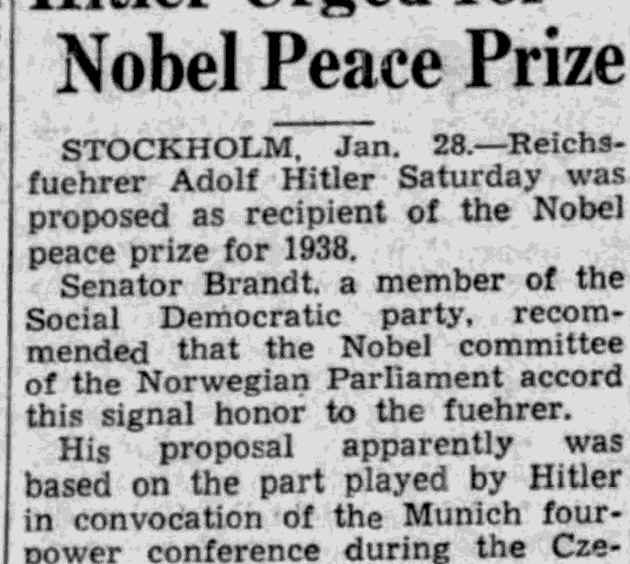
This nomination echoes a historical irony: in 1939, Adolf Hitler was nominated for the Nobel Peace Prize by a Swedish parliamentarian, a satirical act that was swiftly withdrawn. Critics argue Netanyahu’s nomination of Trump is similarly perverse, given the backdrop of Gaza’s humanitarian crisis and accusations of war crimes.
The ICC’s Case Against Netanyahu
Netanyahu faces an ICC arrest warrant issued on November 21, 2024, for alleged war crimes and crimes against humanity in Gaza from October 8, 2023, to May 20, 2024. The charges include starvation as a method of warfare, intentional attacks on civilians, murder, and persecution. The ICC’s Pre-Trial Chamber rejected Israel’s challenges to its jurisdiction, affirming the court’s authority over Gaza and the West Bank.
The Gaza conflict, now in its 21st month, has killed over 57,000 Palestinians, more than half women and children, and displaced nearly 2 million, with reports of famine and child amputations at unprecedented levels. Protesters outside the White House on July 7, 2025, waved Palestinian flags and demanded Netanyahu’s arrest, chanting “No to Genocide.”
Trump’s Role: Complicity or Peacemaking?
Trump’s support for Israel includes billions in military aid, intelligence sharing, and U.S. strikes on Iranian nuclear sites in coordination with Israel in June 2025. He has endorsed plans to relocate Palestinians from Gaza, described by critics as ethnic cleansing. During the July 7 meeting, Trump claimed Hamas was eager for a ceasefire, while Netanyahu insisted on Israel retaining security control over Gaza, rejecting full Palestinian statehood. “If people want to leave, they should,” Netanyahu said, aligning with Trump’s vision of a “voluntary exodus.”
A Financial Times report exposed a Boston Consulting Group strategy document, linked to Trump’s team and former UK advisors, estimating a $23,000 “savings” per relocated Palestinian, raising alarms about forced displacement. Human rights lawyer Michael Sfard condemned these plans as coercive, noting Gaza’s starvation tactics negate any claim of “free choice.”
Trump’s push for a 60-day Gaza ceasefire, mediated in Qatar, aims to free hostages and allow aid, but Hamas demands a permanent end to the war, while Netanyahu insists on Hamas’s presence. Despite Trump’s optimism, no breakthrough has emerged, and his recent strikes on Iran—described as using “the biggest non-nuclear bombs”—clash with his peacemaker image.
Global Reaction and Historical Parallels
The nomination has sparked outrage, with posts on X calling it “grotesque” and comparing it to Hitler’s 1939 nomination. Critics argue it mocks the Nobel Peace Prize’s legacy, previously awarded to figures like Nelson Mandela. Pakistani opposition leaders, who nominated Trump in June 2025 for India-Pakistan ceasefire efforts, faced similar backlash, with former ambassador Maleeha Lodhi demanding an apology for endorsing a leader who “violated international law.”
The Independent likened Netanyahu’s nomination to “Tony Soprano nominating someone for a law-abiding prize,” highlighting the irony of a leader accused of genocide endorsing another for peace. Israeli demonstrators also protested in Tel Aviv, demanding an end to the Gaza war, underscoring domestic discontent.
Why NRIs Should Care
For NRIs, this controversy highlights the complex interplay of U.S.-Israel relations and its global impact. Trump’s policies affect diaspora communities through immigration, trade, and Middle East stability, while India’s neutral stance on Gaza contrasts with U.S. support for Israel. NRIs invested in human rights or Middle East peace must grapple with the implications of U.S. complicity in alleged war crimes. Engaging with platforms like www.clickusanews.com keeps NRIs informed on how global politics shapes their identity and investments.
Conclusion
Netanyahu’s Nobel Peace Prize nomination for Trump is a polarizing act that juxtaposes claims of peacemaking with accusations of genocide and ethnic cleansing. As the Gaza conflict persists and the ICC pursues justice, this nomination underscores a troubling disconnect between rhetoric and reality. NRIs and global citizens are urged to stay informed and advocate for accountability. Visit www.clickusanews.com for more insights on international affairs impacting the diaspora.
Keywords: Netanyahu Trump Nobel Peace Prize, Gaza genocide accusations, ICC arrest warrant Netanyahu, Trump Palestinian displacement, U.S.-Israel relations 2025, Middle East ceasefire, Abraham Accords, NRI global news