



Sustainable Living on a Budget: Tips for American Families

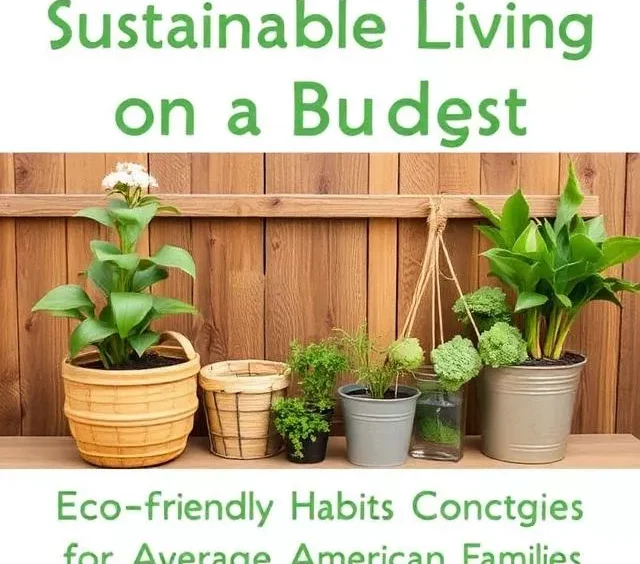
Sustainable Living on a Budget: Tips for American Families
**December 17, 2025** – In 2025, with inflation and living costs still challenging many households, sustainable living doesn’t have to be expensive. In fact, many eco-friendly habits can save average American families hundreds—or even thousands—of dollars annually while reducing their environmental impact. The average U.S. family wastes about $1,500 yearly on uneaten food alone, and simple changes like reducing energy use can cut utility bills significantly.
Sustainable living focuses on mindful consumption, waste reduction, and resource conservation—practices that align perfectly with tight budgets. From energy savings to thrift shopping, these low-cost or no-cost habits are accessible for families earning median incomes (around $75,000 nationally). Here’s a practical guide to getting started.
### 1. Reduce Energy Use at Home
Heating, cooling, and lighting account for a large portion of household energy bills.
**Key Habits**:
– Switch to LED bulbs (use 75% less energy and last longer).
– Unplug devices or use power strips to avoid “phantom” power (up to 10% of bills).
– Set thermostat lower in winter/higher in summer; programmable ones optimize automatically.
– Seal drafts and change HVAC filters regularly.
**Savings**: Families can save $200+ yearly on utilities.
### 2. Conserve Water Without Sacrifice
Water bills add up, especially in drought-prone areas.
**Key Habits**:
– Fix leaks promptly (a drip wastes thousands of gallons yearly).
– Take shorter showers and install low-flow fixtures (inexpensive DIY).
– Collect rainwater for plants or use graywater.
– Wash clothes in cold water and only full loads.
**Savings**: Potential $100–300 annual reduction in water and energy costs.
### 3. Cut Food Waste and Eat Smarter
Food is one of the biggest household expenses and sources of waste.
**Key Habits**:
– Meal plan weekly to buy only what’s needed.
– Store food properly and use leftovers creatively.
– Compost scraps (reduces landfill methane).
– Buy seasonal, local produce or grow easy herbs/veggies.
**Savings**: Up to $1,800 per year by minimizing waste.
### 4. Switch to Reusables and Reduce Plastics
Single-use items create ongoing costs and pollution.
**Key Habits**:
– Use reusable shopping bags, water bottles, and containers.
– Opt for cloth napkins/towels over paper.
– Refill cleaners or make DIY versions with vinegar/baking soda.
**Savings**: Reusables pay for themselves quickly (e.g., bags save on fees).
### 5. Shop Secondhand and Upcycle
New items are resource-intensive; secondhand saves big.
**Key Habits**:
– Thrift stores, online marketplaces, or swaps for clothes/furniture.
– Repair or upcycle instead of replacing.
– Borrow/rent infrequently used items.
**Savings**: Families cut clothing/home goods costs by 50%+.
### 6. Choose Eco-Friendly Transportation
Transportation averages over $12,000 yearly per family.
**Key Habits**:
– Walk, bike, or carpool for short trips.
– Maintain vehicle efficiently (tire pressure, tune-ups).
– Combine errands to reduce drives.
**Savings**: Hundreds in fuel and maintenance.
### 7. Start Small and Involve the Family
Make it fun: Track savings, set goals, or join community swaps.
**Final Thoughts**: These habits prove sustainable living is affordable—and often cheaper—than conventional ways. In 2025, with rising awareness (over 70% of consumers prioritize eco-options when possible), small changes add up to big impacts on your wallet and the planet. Start with one or two this week!
Which budget-friendly eco-habit will your family try first? Share below!