



“No More War”: US Public Reaction Explained


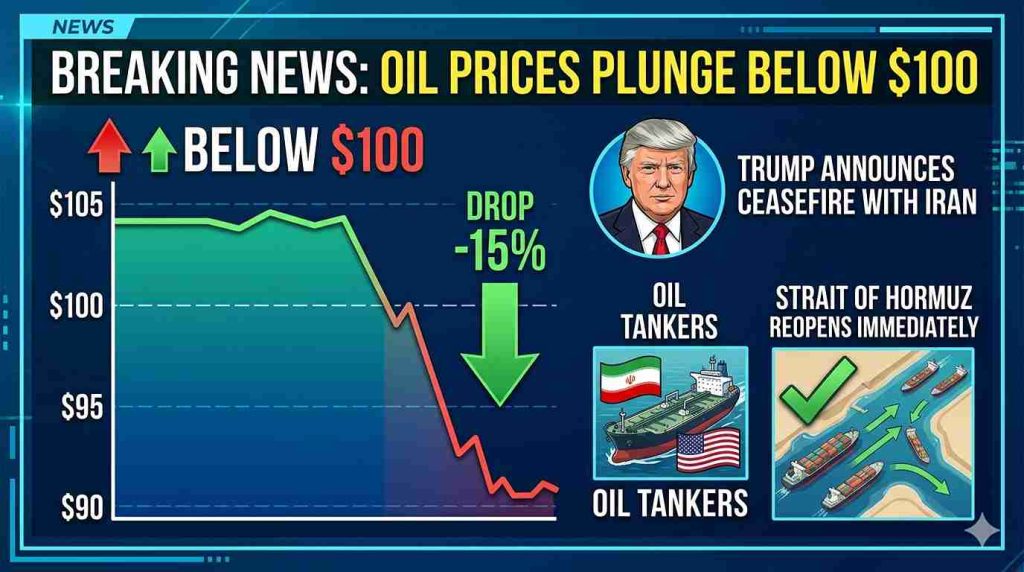
April 8, 2026 – U.S. President Donald Trump’s announcement of a two-week ceasefire with Iran late Tuesday night, tied to the reopening of the Strait of Hormuz, has triggered a wave of relief among many Americans exhausted by weeks of rising tensions, spiking gas prices, and fears of wider conflict.
While the deal has eased immediate market fears — sending oil prices plunging and stock futures surging — public reaction remains deeply divided along partisan lines, with strong opposition to prolonged U.S. military involvement.
Relief Over De-Escalation and Lower Energy Costs
Many everyday Americans expressed cautious optimism that the temporary truce could prevent further escalation and bring down skyrocketing fuel prices that had hit family budgets hard in recent weeks.
Interviews and street reactions showed:
- In Chicago and New York, residents voiced concern over Trump’s earlier aggressive rhetoric but welcomed the pullback, saying “We don’t need another endless war.”
- In Florida, some Trump supporters and veterans praised the president for using strong leverage to force Iran to the table without committing ground troops.
- Iranian-Americans interviewed emphasized that boots on the ground were unnecessary and hoped the ceasefire leads to lasting diplomacy.
A common theme: Americans are tired of Middle East conflicts. Recent polls conducted before the ceasefire announcement consistently showed majority opposition to the U.S. military campaign against Iran, with many believing it had “gone too far.”
Partisan Split Clear in Public Opinion
- Republicans: Stronger support for Trump’s hardline approach. Many view the ceasefire as a victory achieved through maximum pressure, with the Strait of Hormuz reopening seen as a win for U.S. interests and global energy security.
- Democrats and Independents: Largely opposed to the original military action and relieved by the de-escalation. A significant portion sees the conflict as benefiting Israel more than America and wants a quicker, permanent diplomatic resolution.
Polls from recent weeks (Quinnipiac, Reuters/Ipsos, AP-NORC, Fox News) showed:
- 53–61% of Americans disapproving of U.S. military strikes on Iran.
- Over 70–74% strongly opposing any ground troop deployment.
- Deep generational and partisan divides, with younger Americans and independents most skeptical of continued involvement.
Support for Trump’s handling of the crisis hovered around 30–40% overall, though it remained much higher among his core MAGA base.
Markets and Economic Relief Drive Positive Sentiment
Wall Street reacted positively to the news. Brent and WTI crude prices dropped sharply, bonds rallied, and broader stock indices gained as investors bet on restored oil flows from the Gulf. For American families, this translates to hopes of lower gasoline prices at the pump in the coming days and weeks — a major pain point after recent spikes.
Skepticism Remains High
Not everyone is celebrating. Critics on both sides question whether the two-week window will lead to a real, lasting agreement:
- Some worry Iran could use the pause to regroup or that hardliners in Tehran will undermine the deal.
- Others fear Trump may resume strikes if negotiations stall in Islamabad (where talks are set to begin soon).
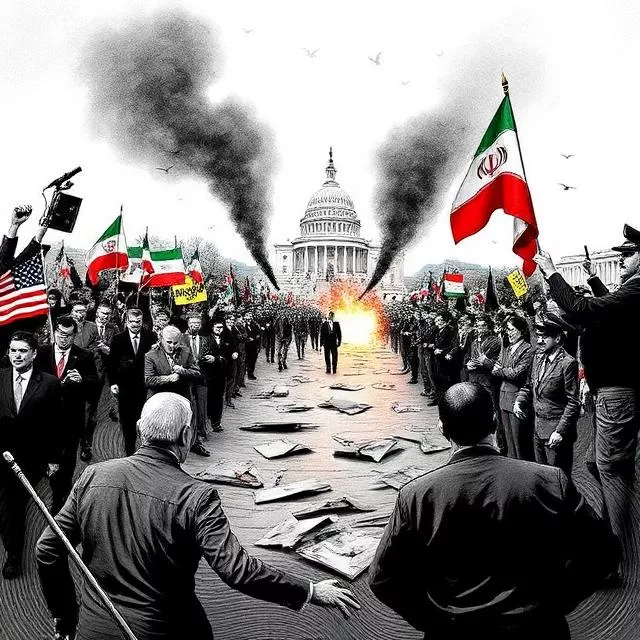
- Anti-war voices, including protesters who held “No War on Iran” rallies, argue the U.S. should exit the conflict entirely rather than pause it.
Social media and street interviews reflected mixed emotions — relief mixed with distrust after weeks of dramatic threats, including Trump’s stark warning that “a whole civilization will die tonight” if the deadline was missed.
What Americans Are Saying
- “Finally some common sense. Gas prices were killing us,” said one Midwest commuter.
- “Trump got them to blink without sending our kids to fight — that’s leadership,” commented a Trump voter in the South.
- “We’ve seen this before. Ceasefires break easily. We need real diplomacy, not temporary pauses,” noted a New York professional.
- Iranian-American community members expressed hope that the regime change rhetoric fades and focus shifts to protecting civilians.
ClickUSANews Takeaway for Americans
The two-week ceasefire brings immediate economic relief and lowers the risk of wider war — welcome news for families worried about gas prices, inflation, and another prolonged Middle East conflict. However, the deep partisan divide and widespread war fatigue suggest Americans want this chapter closed quickly, not extended.
With negotiations scheduled to begin soon and the Hormuz reopening still conditional, the coming days will test whether this pause becomes a pathway to peace or just another fragile truce.
Most Americans appear united on one point: No more endless wars, no ground troops, and bring energy costs back under control.
ClickUSANews will continue tracking developments, market reactions, gas price trends, and public sentiment as the ceasefire takes effect.
What do you think of the Iran ceasefire deal? Relief or skepticism? Share your thoughts in the comments below.


