



Iran Threat Alert: What Americans Must Know


April 8, 2026 – A new intelligence report has exposed a notable gap between federal law enforcement and the White House regarding the threat from Iran inside the United States.
According to a March 20, 2026, law enforcement intelligence bulletin reviewed by Reuters, the FBI and partner agencies explicitly warned state and local police that the Iranian government “poses a persistent threat” to specific targets on American soil. This warning came even as the White House worked to downplay the overall risk of attacks amid escalating U.S.-Iran tensions.
What the FBI Report Actually Said
The March 20 bulletin cautioned law enforcement about elevated risks to:
- U.S. military personnel and government facilities
- Jewish and Israeli institutions across the country
- Iranian dissidents and anti-regime activists living in the United States
The report highlighted Iran’s long history of plotting assassinations, kidnappings (often using proxies), espionage, and influence operations on U.S. soil. It also noted an increase in Iranian-linked cyber operations targeting critical infrastructure such as oil & gas facilities, water systems, and other industrial sectors.
Importantly, the FBI and National Counterterrorism Center stated they had not identified any broad or imminent threats to the general American public. The focus remained on specific, targeted risks rather than widespread attacks on everyday citizens.
White House Response: Downplaying the Danger
The White House has repeatedly sought to minimize public concern. In March, administration officials reportedly delayed or blocked the release of similar joint security bulletins from the FBI, Department of Homeland Security (DHS), and National Counterterrorism Center. White House spokespeople emphasized that no credible broad threat to the homeland existed and accused some media reports of unnecessarily alarming Americans.
President Trump has publicly stated he is “not worried” about Iranian retaliation on U.S. soil, stressing that U.S. intelligence and law enforcement are closely monitoring the situation. This stance contrasts with the more cautious tone in the FBI’s internal warnings to local police.
Why This Matters Right Now
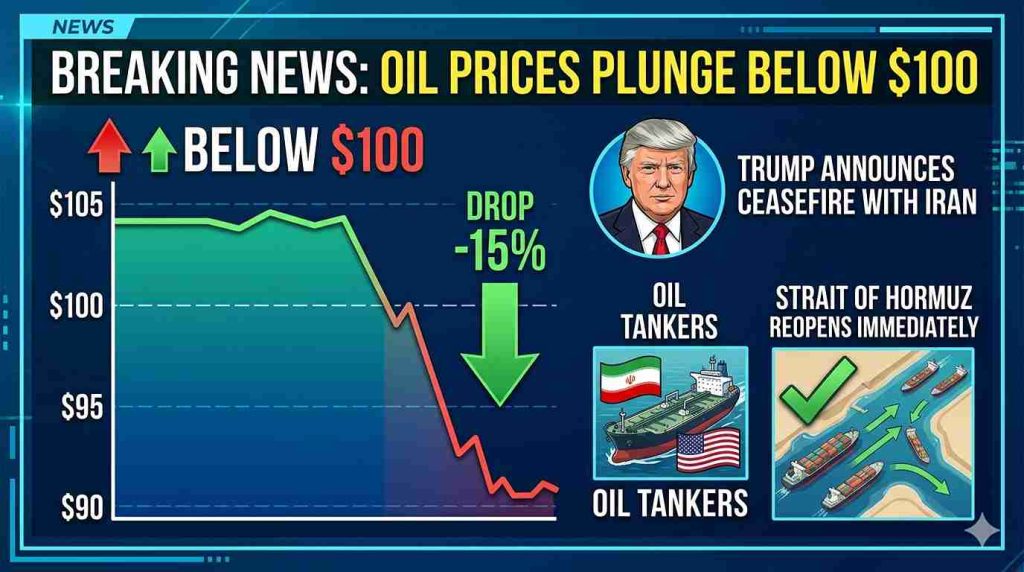
The warnings come against the backdrop of recent U.S.-Israel military actions against Iran and the subsequent two-week ceasefire announced on April 8 regarding the Strait of Hormuz. While the ceasefire has eased immediate oil market fears, underlying tensions persist.
Iran has responded to pressure not only through conventional means but also with heightened cyber campaigns. U.S. agencies have reported escalated Iranian hacking attempts on critical infrastructure sectors. Americans working in or near energy, water, transportation, or government facilities should remain aware of these risks.
Practical Advice for American Families and Communities
- Stay Vigilant but Not Alarmed: The FBI has made clear there is no general threat to the broader public. However, specific sites (military bases, synagogues, community centers, or locations tied to Iranian opposition groups) may face higher risks.
- Personal Security Steps:
- Report any suspicious activity to local law enforcement or the FBI tip line.
- Strengthen home and digital security — use strong passwords, enable multi-factor authentication, and be cautious of phishing emails or suspicious links (Iran-linked actors frequently use cyber tactics).
- If you work in critical infrastructure, follow guidance from CISA (Cybersecurity and Infrastructure Security Agency).
- Community Awareness: Jewish organizations, military families, and local police departments have been advised to heighten vigilance. Many communities are already coordinating with federal authorities.
- Travel and Daily Life: No broad travel restrictions have been issued for domestic movement, but Americans should monitor official advisories.
The Bigger Picture for Americans
This episode highlights ongoing challenges in balancing national security transparency with avoiding public panic. The divide between intelligence agencies’ cautious warnings and the administration’s public messaging has sparked debate about how threats should be communicated to citizens and local law enforcement.
With the temporary ceasefire now in place, many hope tensions will de-escalate further. However, experts warn that Iran’s “persistent threat” capabilities — through proxies, cyber operations, and targeted plots — are unlikely to disappear overnight.
American safety remains the top priority. While the FBI’s warning underscores real, targeted risks from the Iranian regime, the absence of a broad threat to everyday Americans is reassuring. Staying informed through official channels, practicing good cybersecurity hygiene, and supporting local law enforcement are the best ways to stay prepared in an uncertain world.
The situation continues to evolve rapidly with the new ceasefire. ClickUSANews will keep you updated on any new developments, official advisories, and how this affects daily life, energy prices, and national security.
Have you noticed increased security at local institutions or workplaces? Share your observations (without sensitive details) in the comments below.
Based on the March 20, 2026 intelligence report and statements from federal agencies as of April 8, 2026.


