
Iran’s Retaliatory Strikes Hit UAE: AWS Data Centers Affected by ‘Objects’ Causing Fire and Outages – Latest Updates (March 2026)


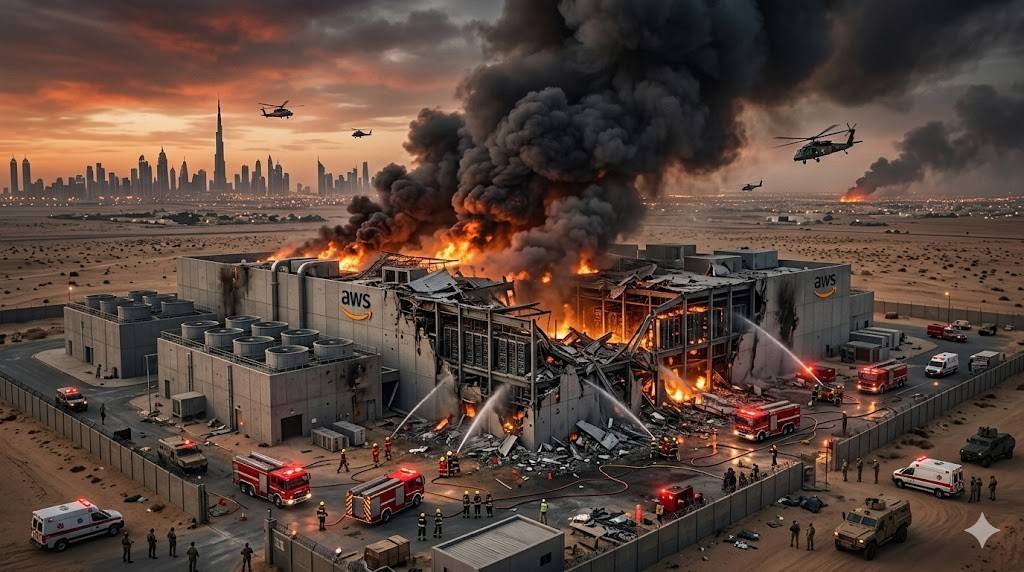
In the latest escalation of tensions in the Middle East, Iranian retaliatory strikes targeting the United Arab Emirates have reportedly impacted critical infrastructure—including an Amazon Web Services (AWS) data center. On March 1, 2026, AWS confirmed that “objects” struck one of its UAE facilities, sparking a fire, forcing power shutdowns, and triggering widespread service disruptions across the ME-Central-1 region.
While AWS has not explicitly linked the incident to Iranian missiles or drones, the timing aligns with reports of Iranian attacks hitting airports, ports, residential areas, and other targets across the Gulf. This rare physical disruption to one of the world’s largest cloud providers highlights growing risks to digital infrastructure in conflict zones.
Click USA News brings you the latest verified updates, expert insights, and implications for businesses and cloud-dependent services worldwide.
What Happened: Timeline of the AWS UAE Incident
- March 1, 2026 (approx. 4:30 AM PST / 12:30 PM Dubai time): AWS reported that “objects” struck Availability Zone mec1-az2 in the UAE region, causing sparks, fire, and immediate power cutoff. Fire crews responded and shut down both primary power and backup generators for safety.
- Same day: Connectivity and performance issues surged for key AWS services like S3 storage, DynamoDB, EC2 instances, and more, affecting users across the Middle East.
- March 2, 2026: A second Availability Zone in the UAE experienced a “localized power issue.” Bahrain’s AWS facilities also reported connectivity problems. AWS stated full recovery could take “many hours” and recommended customers shift workloads to other regions.
- Latest status (as of March 2 evening): Partial recovery underway in some systems, but power restoration in affected zones remains pending. AWS urges immediate backups and multi-region failover.
Sources: AWS Service Health Dashboard, Reuters, Business Insider, Times of India, and Datacenter Dynamics.
Broader Geopolitical Backdrop
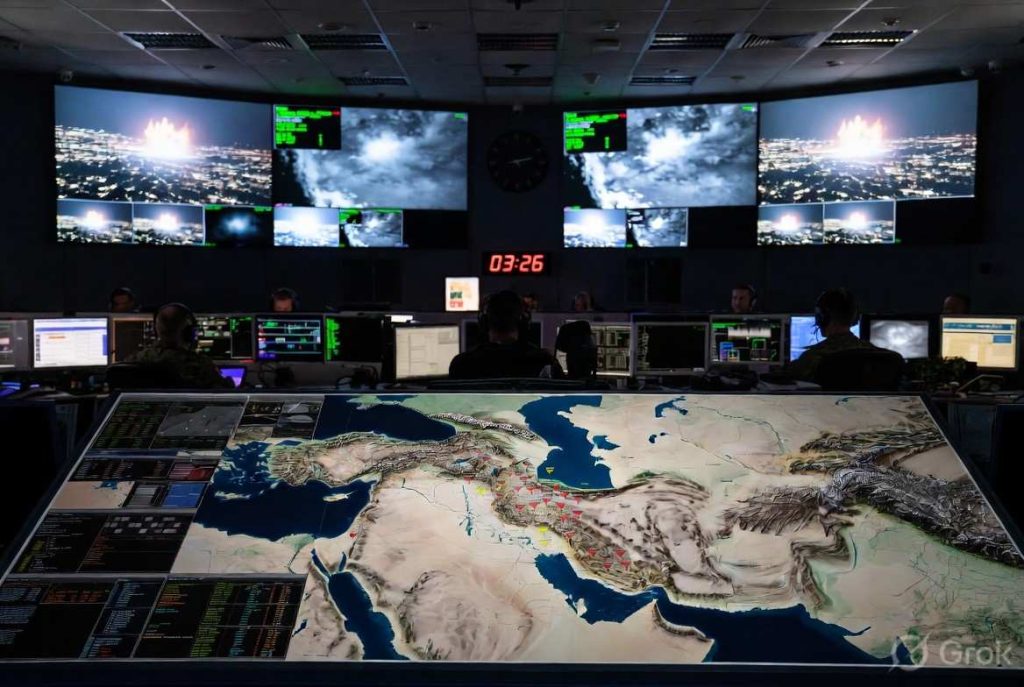
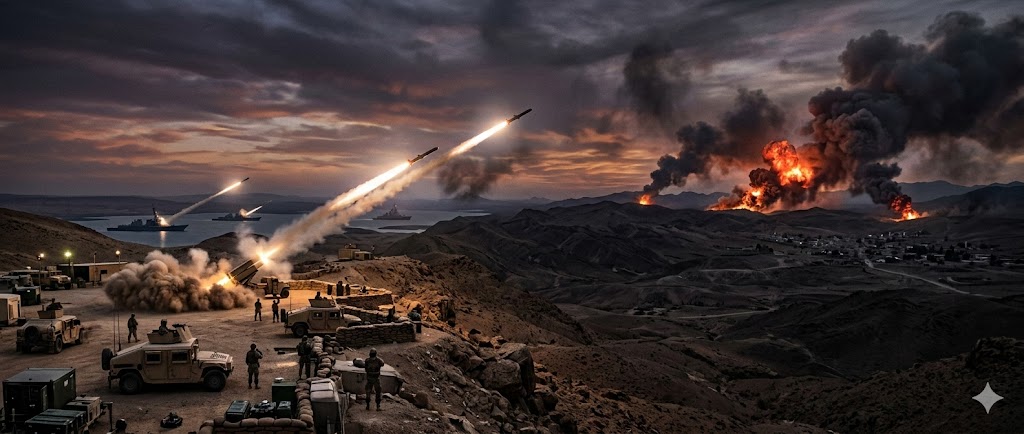
The incident occurred amid Iran’s large-scale retaliation following U.S. and Israeli strikes that reportedly targeted high-level Iranian leadership. Iranian forces launched missiles and drones across Gulf states, including the UAE, damaging key sites like Dubai International Airport and others. Airspace closures and flight cancellations followed, amplifying regional instability.
AWS’s Middle East (UAE) region features three Availability Zones built for redundancy, but physical strikes on facilities demonstrate limits of digital failover when infrastructure faces direct kinetic threats.
Real-World Impacts on Businesses and Users
- Service Outages: Spikes in latency, errors, and full downtime for applications hosted in the affected zone—impacting fintech, e-commerce, government services, and enterprises in the region.
- Global Knock-On Effects: Companies with regional dependencies rushed to reroute traffic, highlighting vulnerabilities in single-region or poorly diversified cloud setups.
- Customer Advice from AWS: “Rely on services in other regions” during recovery. Critical data should be backed up immediately to unaffected areas.
This event underscores that even hyperscale cloud providers like AWS face unprecedented risks from geopolitical events.
Key Takeaways and Cloud Resilience Lessons in 2026
- Physical Threats Are Real — Traditional cyber-focused security isn’t enough. Kinetic attacks (missiles, drones) can disable even the most advanced data centers.
- Multi-Region Is Essential — Avoid single-region reliance in high-risk geographies. Use active-active setups across continents.
- Rapid Failover Critical — Pre-configured Route 53 routing, cross-region replication, and automated failover scripts minimize downtime.
- Geopolitical Monitoring — Integrate threat intelligence into cloud governance to anticipate disruptions.
What Should You Do Right Now?
- Audit workloads for ME-Central-1 dependency.
- Enable cross-region replication and disaster recovery plans.
- Test failover procedures regularly—including simulated physical outage scenarios.
- Consider multi-cloud or hybrid strategies for extra redundancy.
- Monitor AWS status page and geopolitical news feeds closely.
Click USA News will continue tracking developments in this fast-moving story, including any official confirmations linking the “objects” to Iranian strikes.
Sources & References
- AWS Health Dashboard (health.aws.amazon.com)
- Reuters: Amazon cloud unit flags issues at Bahrain, UAE data centers amid Iran strikes
- Business Insider: One of Amazon’s data centers in the UAE caught fire after being hit by ‘objects’
- Times of India, Anadolu Agency, Jerusalem Post, Bloomberg, and Datacenter Dynamics
FAQs
Did Iran directly target the AWS data center? AWS described the cause as “objects” striking the facility but has not confirmed or denied a connection to Iranian attacks. The timing matches reported strikes on UAE targets.
How long will services be down? AWS indicates full recovery may take many hours. Check the official status page for live updates.
Is data safe? Data in unaffected zones and regions remains secure. Activate replication to other regions immediately if not already done.
Stay informed with Click USA News for breaking U.S. and global headlines, technology impacts, politics, and more. Subscribe for real-time alerts on major events affecting daily life and business.