



NASA’s Leadership and Staff Overhaul Underway Amid Budget Cuts and Artemis Program Push

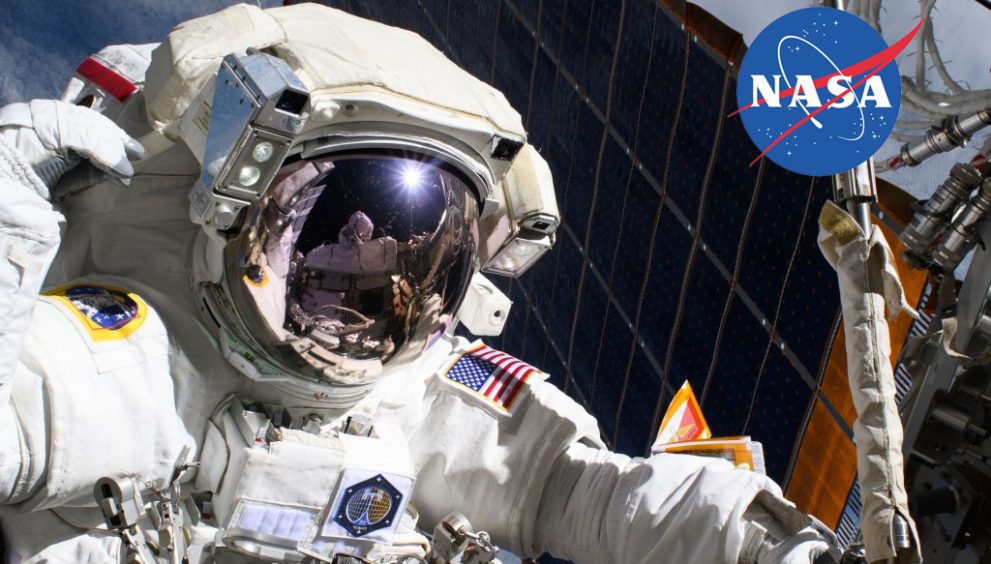
NASA is undergoing a significant transformation as the Trump administration’s proposed budget cuts and leadership changes reshape the agency’s future. With over 2,000 senior staff members set to depart due to early retirements, buyouts, and deferred resignations, and the appointment of Transportation Secretary Sean Duffy as interim NASA administrator, the space agency faces critical challenges and opportunities as it prepares for ambitious missions like the Artemis program.
Trump Administration’s Budget Cuts Impact NASA Workforce
The Trump administration’s Fiscal Year 2026 budget proposal, released in May 2025, slashes NASA’s funding by 24%, reducing its budget from $24.8 billion to $18.8 billion—the largest single-year cut in the agency’s history. This reduction targets NASA’s science programs, with a proposed 47% cut to the Science Mission Directorate, threatening missions such as Mars Sample Return, New Horizons, and Juno. The budget also eliminates funding for the Lunar Gateway and phases out the Space Launch System (SLS) and Orion capsule after Artemis III, prioritizing commercial alternatives for lunar exploration. These cuts have prompted over 2,100 senior NASA employees to leave, raising concerns about the agency’s capacity to maintain its leadership in space exploration.
Sean Duffy Appointed Interim NASA Administrator
On July 9, 2025, President Donald Trump announced Transportation Secretary Sean Duffy as NASA’s interim administrator, following the withdrawal of billionaire Jared Isaacman’s nomination in May. Duffy, who continues to oversee the Department of Transportation, brings a political perspective to NASA but lacks a direct background in space exploration. His appointment is seen as a move to align NASA with the administration’s fiscal priorities, emphasizing efficiency and commercial partnerships. Analysts suggest Duffy’s close relationship with Trump could provide NASA with direct access to the White House, potentially aiding in budget negotiations, though his dual role raises questions about his ability to manage both agencies effectively.
Artemis Program Faces Uncertainty
NASA’s Artemis program, aimed at returning humans to the Moon by 2027, remains a cornerstone of the agency’s mission despite the proposed cuts. The budget preserves funding for Artemis II and III, which will see astronauts orbit and land on the lunar surface, respectively. However, the cancellation of follow-up missions, the SLS, and the Lunar Gateway could limit NASA’s long-term lunar ambitions, shifting reliance to commercial providers like SpaceX and Blue Origin. The administration’s focus on Mars exploration, with a $1 billion boost for Mars-focused programs, aligns with SpaceX CEO Elon Musk’s vision, though recent tensions between Trump and Musk have added complexity to these plans.
Implications for NASA’s Future
The staff overhaul and leadership transition have sparked debate about NASA’s direction. Critics, including former NASA administrator Bill Nelson, warn that the cuts could “cripple” the agency, undermining its scientific leadership and international partnerships with agencies like the European Space Agency. Supporters argue that redirecting resources to commercial partnerships and Mars exploration could streamline NASA’s operations and foster innovation. With Congress holding the final say on the budget, bipartisan efforts led by figures like Senator Ted Cruz aim to restore funding for key programs, potentially mitigating some of the proposed reductions.
What’s Next for NASA?
As NASA navigates this period of uncertainty, Duffy’s interim leadership will be critical in balancing the administration’s cost-cutting goals with the agency’s mission to maintain American leadership in space. The Senate’s upcoming response to the budget proposal, expected to restore some funding, could shape NASA’s trajectory. Meanwhile, the Artemis program continues to inspire, with Artemis II set for April 2026, marking a pivotal step toward returning humans to the Moon.
For the latest updates on NASA’s transformation and its impact on global space exploration, stay tuned to clickusanews.com.