



Senate Committee Passes HONEST Act to Ban Congressional Stock Trading

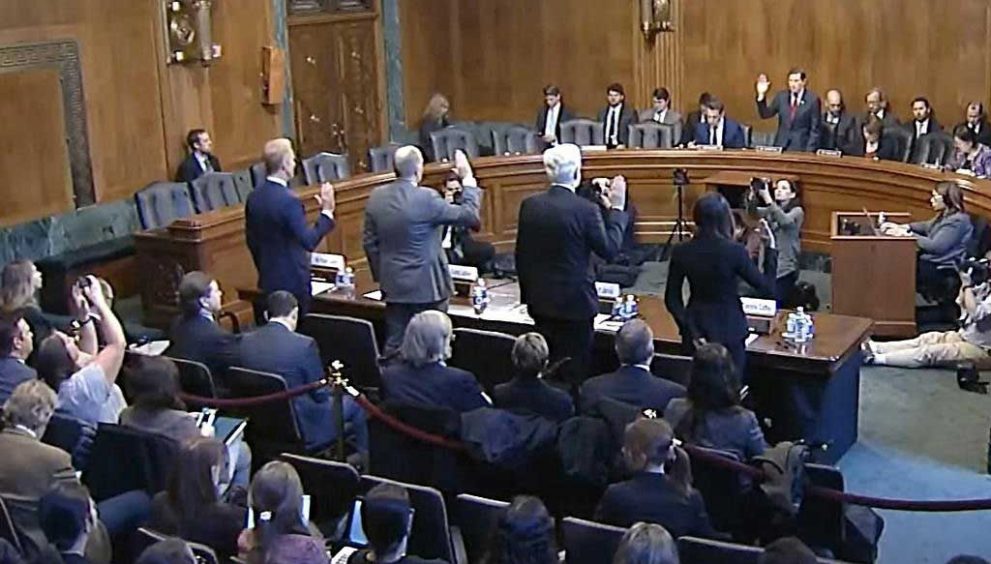
On July 30, 2025, the Senate Homeland Security and Governmental Affairs Committee voted 8-7 to advance the HONEST Act, a bipartisan bill previously known as the PELOSI Act, aimed at stopping members of Congress, the president, vice president, and their spouses from trading or owning individual stocks. This landmark legislation, driven by Senator Josh Hawley (R-Mo.), restricts investments to diversified mutual funds, exchange-traded funds (ETFs), or U.S. Treasury bonds to prevent lawmakers from profiting off insider information. For Americans concerned about fairness in government, this move signals a push to rebuild trust in Washington.
Why This Matters for Americans
The HONEST Act tackles a major issue: politicians using privileged information to make stock market gains while everyday Americans play by the rules. From small-town investors to retirees managing 401(k)s, the bill aims to ensure a level playing field by curbing potential conflicts of interest in Congress. With public trust in government at historic lows, this reform could restore confidence that elected officials prioritize constituents over personal profits.
What’s in the Bill?
The HONEST Act lays out clear rules to enforce transparency and accountability:
- No Individual Stock Trading: Lawmakers, the president, vice president, and their spouses are banned from buying, selling, or holding individual stocks during their term, limiting investments to diversified mutual funds, ETFs, or U.S. Treasury bonds.
- 180-Day Divestment Period: Current and future officials have 180 days to sell off prohibited holdings or move them to a qualified blind trust.
- Tough Penalties: Violators must forfeit stock profits to the U.S. Treasury and face fines from House and Senate ethics committees.
- Annual Certifications and Audits: Lawmakers must certify compliance yearly, with the Government Accountability Office conducting audits every two years.
- Future Executive Coverage: The ban applies to the president and vice president starting with future administrations, exempting President Donald Trump and Vice President JD Vance for their current term.
The Backstory
Originally called the PELOSI Act—a nod to scrutiny over former House Speaker Nancy Pelosi’s husband’s stock trades—the bill was renamed the HONEST Act during negotiations. Public outrage over lawmakers’ trading spiked after reports of suspicious profits during the COVID-19 pandemic, when some members traded stocks tied to private briefings. A 2022 New York Times analysis found 97 members of Congress made trades linked to their committee work, fueling calls for change. A University of Maryland poll shows 85% of Americans support banning congressional stock trading.
Senator Hawley, a key advocate, stated, “Politicians shouldn’t get rich off information the public doesn’t have. This bill puts a stop to that.” President Trump initially backed a stock trading ban, saying he’d “absolutely” sign it, but later criticized the bill on Truth Social as a Democratic scheme, creating uncertainty about its future.
The Committee Vote and Political Divide
The 8-7 vote saw Senator Hawley team up with Democrats, including Committee Chair Gary Peters (D-Mich.), to push the bill forward, while most Republicans, led by Chair Rand Paul (R-Ky.), voted against it. Critics like Senator James Lankford (R-Okla.) warned the ban could discourage wealthy Americans from running for office, while supporters like Senator Elissa Slotkin (D-Mich.) called it a critical step despite compromises, such as exempting the current administration. Even Nancy Pelosi endorsed the bill, stressing the need for “tough enforcement” to keep public interest first.
What’s Next?
While the bill’s committee approval is a historic first for a congressional stock trading ban, it faces a tough road in the Republican-led Senate and the House. Past efforts, like the 2012 STOCK Act requiring trade disclosures, have been criticized for weak enforcement. Other proposals, such as the ETHICS Act and TRUST in Congress Act, have stalled, and resistance from some lawmakers worried about financial impacts could derail progress. Still, supporters like Senators Jeff Merkley (D-Ore.) and Jon Ossoff (D-Ga.) argue it’s a “long overdue” reform to show Congress serves the people, not personal wealth.
What It Means for You
For everyday Americans, the HONEST Act could mean a fairer stock market, free from insider-driven price swings. Whether you’re saving for retirement, investing in a small portfolio, or just paying taxes, the bill aims to ensure lawmakers can’t game the system. However, its success hinges on clearing Congress and avoiding loopholes like ineffective blind trusts. As Senator Hawley put it, “It’s time to see where our leaders stand—on the side of the public or their own wallets.”
Stay updated on this and other Capitol Hill developments at www.clickusanews.com.