
The Holiday Hangover Hits Hard: Millions Wake Up to Flooded Streets, Dark Homes, and Icy Roads—But Kindness Is Everywhere

The Holiday Hangover Hits Hard: Millions Wake Up to Flooded Streets, Dark Homes, and Icy Roads—But Kindness Is Everywhere
Christmas 2025 delivered drama instead of snow globes: record West Coast deluges, treacherous holiday travel, widespread power outages, and now the slow, soggy cleanup. Yet in garages, driveways, and community centers across the country, people are proving the season’s real magic survives the storm.
It’s the morning of December 26, 2025, and the magic of Christmas feels like it got left out in the rain—because for a lot of us, it literally did.
The wrapping paper is still scattered across living-room floors, cold coffee sits forgotten on countertops, and kids are already asking when the next present-opening session starts. But outside, the scene is far less festive. Southern California is still reeling from what meteorologists are calling one of the wettest Christmas Eve-to-Christmas Day stretches in decades. Streets in Los Angeles, Ventura, and Santa Barbara counties turned into rivers overnight. Flash flood warnings kept flashing well into Christmas morning. Mudslides threatened communities still scarred from recent wildfires. Wind gusts over 90 mph in the mountains snapped power poles like matchsticks.
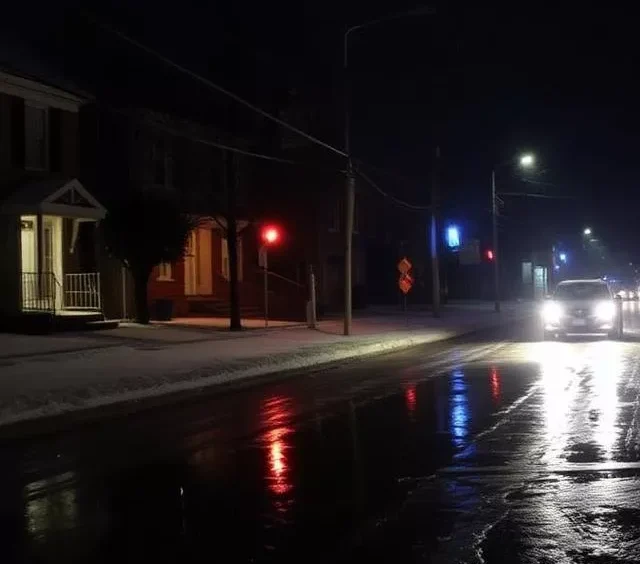
Tens of thousands woke up to no electricity. Pacific Gas and Electric reported more than 60,000 customers without power in Northern California alone at the peak. Down south, the numbers were just as grim. Families huddled around phone flashlights, trying to keep food from spoiling, kids trying to charge tablets so they could watch holiday movies one more time.
Across the country the picture wasn’t much better. That fast-moving clipper system that barreled through the Midwest and into the Northeast brought just enough freezing rain and wet snow to turn post-Christmas travel into a nightmare. Major interstates—I-80, I-70, I-95—were littered with spin-outs, jackknifed trucks, and stranded cars. AAA had projected nearly 110 million people traveling by car this holiday season. Many of them spent Christmas night on the side of the road or in packed airport terminals, waiting for de-icing or cleared runways.
Power outages rippled from Pennsylvania through New York and into New England. Downed trees crushed cars, blocked roads, and took out lines. Some neighborhoods will be dark for days. For others, the darkness is literal and emotional: the first Christmas without a parent, the first one on a tight budget, now made harder by a house that won’t heat up.
Have you ever sat in a cold, dark living room on December 26, staring at the lights on a tree that suddenly feel mocking? That was a lot of people yesterday. And today. And probably tomorrow.
But here’s where the story stops being only about destruction—and starts getting good again.
Because even as the rain kept falling and the temperatures refused to cooperate, something else kept happening: people showed up.
Neighbors with chainsaws appeared in driveways before dawn, clearing fallen trees so elderly residents could get their cars out. Strangers in grocery store parking lots shared the last working generator so a family could keep insulin cold. In evacuation centers and community halls, volunteers passed out hot coffee, blankets, and—maybe more importantly—hugs and bad holiday jokes that somehow still landed.
In small mountain towns in California, locals organized impromptu “chainsaw parties,” turning debris removal into block parties. In the Northeast, people posted on neighborhood apps: “Got a working generator and extra extension cords—first come, first served.” Restaurants that lost power cooked what was left on grills outside and gave meals away to anyone who needed them. One viral story out of Long Island: a guy whose house flooded spent his Christmas morning helping his neighbor bail water, then went home to find that same neighbor had already shoveled his driveway.
These aren’t headline-grabbing heroics. They’re quiet, unglamorous, ordinary acts of decency that somehow feel extraordinary when everything else is falling apart.
Why does that matter so much right now?
Because 2025 has been exhausting. The news cycle never slows down. Prices are still high. The world feels fractured. And then the weather decided to pile on. For a lot of people, this holiday was supposed to be the reset button—the one weekend where everything could feel simple and warm again. Instead, it became another reminder of how fragile “normal” can be.
And yet.
In the middle of flooded basements and canceled flights, people remembered each other. They didn’t wait for official disaster declarations or FEMA trucks. They just… did the thing. Shared what they had. Checked in. Laughed when there was nothing left to do but laugh.
That’s the thread that keeps running through every major storm story, every blackout, every chaotic holiday travel meltdown. The infrastructure might fail. The forecast might betray us. But the human instinct to look out for one another? That holds up.
So on this gray, soggy December 26, while utility crews climb poles and tow trucks work overtime and families figure out how to dry out carpet and salvage Christmas dinner leftovers, take a second to notice what’s happening in the margins.
Someone’s clearing your elderly neighbor’s driveway right now. Someone’s dropping off a hot meal to a family without power. Someone’s turning a flooded garage into a reason to throw an impromptu community cookout once the water recedes.
The holidays didn’t go according to plan for millions of us. But maybe that was never the point.
The point was always the messy, imperfect, stubborn way we show up for each other when the lights go out—literally and figuratively.
So yeah, it’s a mess out there. But look a little closer, and you’ll see the real story isn’t the storm.
It’s what we do while we’re waiting for the power to come back on.
And that story? It’s still being written, one small kindness at a time.
What did you see—or do—yesterday that reminded you we’re still in this together? Drop it below. Let’s keep the thread going.