

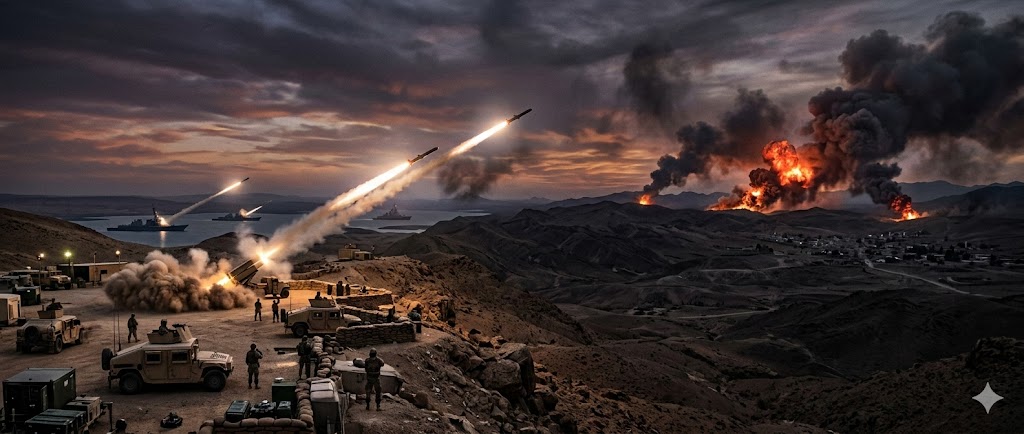

Trump’s 2026 Tariffs on Europe Over Greenland: Full Impact on US Economy, Oil & Global Trade

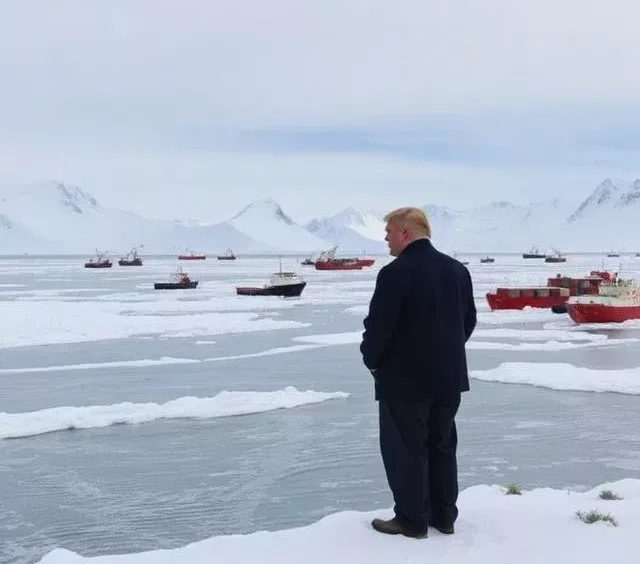
Trump’s 2026 Tariffs on Europe Over Greenland: Full Impact on US Economy, Oil & Global Trade
In a bold escalation of his “America First” agenda, President Donald Trump has reignited his long-standing interest in acquiring Greenland by imposing steep tariffs on key European nations. Starting February 1, 2026, a 10% tariff will hit imports from Denmark and seven other European countries, potentially ramping up to 25% by June 1 if demands for Greenland’s purchase aren’t met. This move, tied to strategic Arctic resources and even linked to U.S. maneuvers in Venezuela’s oil sector, is sending shockwaves through global markets. As mid-January 2026 unfolds, U.S. consumers face higher prices on everything from luxury cars to cheese, while NATO alliances strain and oil prices fluctuate.
Trump’s Greenland tariffs 2026 represent a high-stakes gamble, blending territorial ambition with economic pressure. Analysts predict ripple effects on US tariffs Europe January 2026, potentially costing the U.S. economy billions while reshaping global trade dynamics. This article dives into the why, how, and what-next of this geopolitical drama, including stats on trade impacts and quotes from key players.
Why Trump Wants Greenland
President Trump’s fascination with Greenland dates back to his first term. In 2019, he publicly floated the idea of purchasing the world’s largest island from Denmark, calling it a “large real estate deal” essential for U.S. national security. Fast-forward to 2026, and with his return to the White House, Trump has doubled down. “Greenland is crucial for America’s future—it’s about resources, military bases, and stopping China and Russia from dominating the Arctic,” Trump stated in a January 15, 2026, press conference at Mar-a-Lago.
Greenland’s appeal lies in its vast untapped resources. The island holds an estimated 13% of the world’s undiscovered oil reserves (around 50 billion barrels) and massive deposits of rare earth minerals critical for electric vehicles and defense tech. According to the U.S. Geological Survey, melting Arctic ice due to climate change is opening new shipping routes and extraction opportunities. Trump’s administration argues that owning Greenland would secure U.S. dominance in the region, countering China’s Belt and Road investments and Russia’s military buildup.
This push also ties into broader U.S. energy strategies, including recent interventions in Venezuela. In late 2025, the U.S. backed a regime change in Caracas, gaining preferential access to Venezuela’s Orinoco Belt oil reserves—estimated at 300 billion barrels. “Linking Greenland to Venezuela oil control is genius,” said a senior White House advisor anonymously. “It creates a North-South energy axis, reducing reliance on Middle Eastern oil and stabilizing prices for Americans.” However, critics warn this could inflame international tensions, with the EU viewing it as imperial overreach.
Affected Countries List
The tariffs target eight European nations accused by the Trump administration of blocking U.S. interests in Greenland. Denmark, as Greenland’s sovereign owner, tops the list, but the net widens to include allies who have publicly opposed the sale or supported Danish sovereignty.
Here’s the full list of affected countries:
- Denmark: Primary target due to its control over Greenland. Key imports to the U.S. include pharmaceuticals (e.g., Novo Nordisk drugs) and machinery, valued at $12 billion annually.
- Germany: Hit for its vocal criticism via Chancellor Olaf Scholz. German autos like BMW and Mercedes face tariffs, impacting $60 billion in U.S. imports.
- France: President Emmanuel Macron’s dismissal of the idea as “absurd” draws fire. French wines, cheeses, and Airbus parts ($20 billion trade) are at risk.
- Netherlands: As a major EU trade hub, its ports handle Greenland-related logistics. Imports like chemicals and electronics ($25 billion) targeted.
- Sweden: For its Arctic interests and EU solidarity. Tech and furniture exports ($10 billion) affected.
- Belgium: EU headquarters host; chocolate and diamond imports ($8 billion) in crosshairs.
- Italy: Luxury goods and machinery ($45 billion) penalized for Prime Minister Giorgia Meloni’s neutral stance.
- Spain: Agricultural products like olive oil ($15 billion) hit amid broader NATO frictions.
These nations represent over $195 billion in annual U.S. imports, per 2025 U.S. Census Bureau data. The phased approach—10% from February 1, escalating to 25% by June 1—gives room for negotiation but signals resolve.
Economic Fallout: Higher Import Costs for US Consumers
The immediate impact on the U.S. economy is stark. Tariffs act as a tax on imports, often passed to consumers. A January 2026 report from the Peterson Institute for International Economics estimates that the 10% initial tariff could raise U.S. household costs by $1,200 annually, with the 25% hike pushing it to $3,000.
Break it down by sector:
- Automobiles: German and Italian cars could see price jumps of 10-25%, adding $2,000-$5,000 to models like the Volkswagen Golf or Fiat 500. U.S. auto sales might dip 5-7%, per J.D. Power forecasts.
- Food and Beverages: French cheeses (e.g., Brie up 15%) and Danish butter could inflate grocery bills. The USDA predicts a 3-5% rise in imported food prices.
- Pharmaceuticals: Danish insulin and French vaccines might cost more, exacerbating healthcare inflation already at 4.2% year-over-year.
- Energy Links: While Greenland’s oil isn’t yet extracted, the tariffs coincide with U.S. leverage in Venezuela. Oil prices dipped to $65 per barrel in early January 2026 on Venezuela news but could rebound if EU retaliation hits U.S. exports.
Small businesses feel the pinch too. A New York importer of European wines told Reuters, “This could wipe out 20% of our margins overnight.” Overall, the tariffs might shave 0.5% off U.S. GDP growth in 2026, according to Moody’s Analytics, while boosting domestic industries like U.S. rare earth mining.
European Retaliation Risks
Europe isn’t taking this lying down. EU Commission President Ursula von der Leyen fired back on January 17, 2026: “These tariffs are a blatant violation of WTO rules and an attack on transatlantic unity. We will respond proportionally to protect our sovereignty.” Potential countermeasures include tariffs on U.S. exports like soybeans ($15 billion to EU), Boeing aircraft, and tech from Apple and Google.
NATO ties are fraying. Denmark, a NATO member, hosts U.S. bases in Greenland (e.g., Thule Air Base). Trump’s threats could prompt alliance rethinking, with France and Germany pushing for a more independent EU defense. “This risks fracturing NATO at a time when Russia eyes the Arctic,” warned former NATO Secretary-General Jens Stoltenberg in a CNN interview.
Retaliation could escalate to energy sanctions. Europe, reliant on U.S. LNG post-Ukraine war, might diversify to Qatar or Australia, spiking U.S. export losses by $10-20 billion. If the dispute drags into summer, WTO disputes could tie up courts for years.
Links to Venezuela Oil Control
A surprising twist: Trump’s Greenland play intersects with U.S. dominance in Venezuela’s oil. After a 2025 U.S.-backed coup ousted Maduro’s successor, American firms like Chevron gained concessions. This secures 1.5 million barrels per day for U.S. markets, stabilizing domestic gas prices at $3.50/gallon.
But why link to Greenland? Insiders say it’s about creating an “energy fortress.” Greenland’s potential 50 billion barrels complement Venezuela’s reserves, forming a hemisphere-spanning supply chain. “It’s MAGA energy independence on steroids,” Trump tweeted on January 10, 2026. Critics, including Senator Bernie Sanders, call it “neo-colonialism,” arguing it alienates allies and boosts global emissions.
Oil prices have reacted volatilely. Brent crude fell 2% to $68 on tariff announcements but could rise if EU boycotts U.S. oil. The EIA projects 2026 global oil demand at 105 million bpd, with Arctic and South American supplies key to meeting it.
Market Reactions January 2026
Wall Street is jittery. The Dow Jones dropped 1.5% on January 16, 2026, post-announcement, with European-exposed stocks like Ford (-3%) and Coca-Cola (-2%) leading losses. Currency markets saw the euro weaken 1% against the dollar, hitting 1.05 USD/EUR.
Commodity traders are hedging. Rare earth prices surged 5% on Greenland hype, benefiting U.S. miners like MP Materials. Oil futures oscillated, with WTI at $62 amid Venezuela optimism but tariff fears.
Global trade implications loom large. The IMF warns of a 0.3% drag on world GDP if tariffs escalate. China, watching from afar, could exploit divisions by offering Europe Arctic partnerships, per a January 2026 Foreign Affairs analysis.
2026 Global Implications
Looking ahead, Trump’s Greenland tariffs 2026 could redefine international relations. Success might embolden similar moves—rumors swirl of U.S. interest in Canadian Arctic territories. Failure risks trade wars, inflating global inflation to 3-4%.
For U.S. consumers, it’s a mixed bag: short-term pain for long-term gains in resources. EU leaders urge dialogue; Danish Prime Minister Mette Frederiksen said January 18, “Greenland isn’t for sale, but we’re open to enhanced cooperation.”
As negotiations unfold, the world watches. Will Trump seal the deal, or will this be another chapter in his unpredictable legacy? Stay tuned to
For more USA news check:
https://clickusanews.com/news/
Latest USA breaking news, national headlines, global affairs, and trending stories.
https://clickusanews.com/sports/
USA sports news, live scores, match highlights, athlete updates, and major sporting events.
https://clickusanews.com/technology/
Technology news covering AI, gadgets, innovation, cybersecurity, and digital trends in the USA.
https://clickusanews.com/entertainment-movies-ott/
Entertainment updates including movies, OTT releases, celebrity news, and pop culture stories.
https://clickusanews.com/business/
Business and finance news with USA market updates, corporate stories, crypto, and economic insights.