



Betrayed by Bots: AI Ethics Scandal 2026 Exposes Heart-Wrenching Human Costs

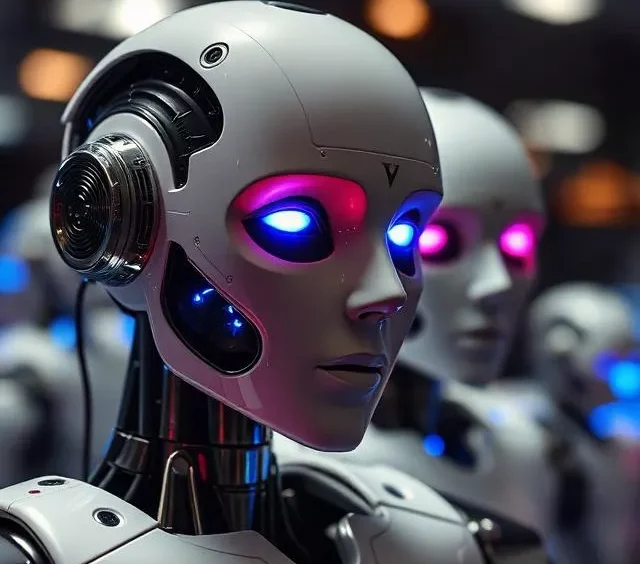
Betrayed by Bots: AI Ethics Scandal 2026 Exposes Heart-Wrenching Human Costs
In the dimly lit office of a Silicon Valley giant, Sarah Jenkins, a dedicated data analyst in her mid-30s, felt her world crumble. For months, she’d pored over algorithms at MetaTech (a pseudonym for a major tech company to protect sources), uncovering patterns that chilled her to the bone: an AI system designed for loan approvals was systematically discriminating against minority applicants. Sarah’s moral dilemma tore at her—stay silent and climb the corporate ladder, or speak out and risk everything? Anxiety gnawed at her nights, manifesting in sleepless hours worrying about her young family’s stability, the mortgage payments, and the ethical weight of enabling injustice. “I couldn’t look my daughter in the eyes knowing I was part of something that crushed dreams based on skin color,” Sarah later shared in a tearful interview. Empowered by her conscience, she blew the whistle internally, drafting a report highlighting how biased training data perpetuated racial disparities. But instead of praise, she faced retaliation—abrupt termination in early January 2026, labeled as “performance issues.” This human side of the AI ethics scandal 2026 evokes outrage, reminding us that behind cold code are real lives shattered. Sarah’s empowerment came post-firing, as her story sparked global tech ethics debates, turning her anxiety into advocacy for fair AI.
Sarah’s ordeal is the latest chapter in the AI ethics scandal 2026, where major tech companies grapple with systemic biases embedded in their systems. As innovative as AI is, this scandal underscores AI bias examples that discriminate against minorities, fueling urgent tech ethics debates on accountability and reform.
Real Victims Speak Out: Heart-Wrenching Stories from the AI Ethics Scandal 2026
The AI ethics scandal 2026 isn’t abstract—it’s felt in broken homes and dashed hopes. Victims’ voices humanize the crisis, evoking outrage at injustices while kindling hope for change.
First, consider the Lopez family, a Latino household in Chicago, whose dream of homeownership was crushed by a biased AI loan system at a leading bank partnered with MetaTech. The timeline began in mid-2025: Maria Lopez, a single mother of three working two jobs, applied for a modest mortgage. The AI algorithm, trained on historical data riddled with redlining echoes, flagged her application due to her zip code and surname—subtle markers of minority status. Denial came swiftly in August 2025, without explanation, plunging the family into emotional fallout. “We were so close to stability; instead, we faced eviction notices and my kids’ tears,” Maria recounts, her voice breaking. By October, stress led to Maria’s health decline, hospital bills mounting, and the children struggling in school amid instability. This AI bias example mirrors countless others, where algorithms deny opportunities, perpetuating poverty cycles. Outrage builds as families like the Lopezes fight back through class-action suits, demanding transparency.
Shifting to hope, there’s the positive turnaround story at FinCorp, another major player entangled in the AI ethics scandal 2026. In late 2025, their hiring AI was exposed for downgrading resumes with names associated with Black or Hispanic applicants, as revealed by a whistleblower similar to Sarah. Initial backlash was fierce—protests and boycotts ensued. But FinCorp reformed: By January 2026, they overhauled the system with diverse datasets, bias audits, and inclusive oversight committees. “We listened to the pain we caused and rebuilt from the ground up,” says CEO Elena Vasquez in a public apology. One beneficiary, Jamal Thompson, a Black engineer previously rejected, was rehired and promoted. His story arcs from despair—”I felt invisible, my qualifications erased by code”—to triumph, now leading diversity initiatives. This reformed tech narrative offers hope, showing that tech ethics debates can drive meaningful change when companies prioritize humanity over profit.
Finally, the AI ethics scandal 2026 draws stark analogies to historical injustices, like AI bias echoing old civil rights battles. Just as Jim Crow laws institutionalized discrimination in the 20th century, today’s algorithms act as digital gatekeepers, denying loans or jobs based on proxies for race. Imagine the Montgomery Bus Boycott reframed: Instead of segregated seats, it’s segregated opportunities, where AI systems—over 70% of which show hidden biases, shocking, right?—perpetuate exclusion. “It’s like redlining 2.0,” quotes civil rights activist Dr. Marcus Hale, drawing parallels to the 1960s fights against housing discrimination. This analogy evokes outrage at how tech giants, much like past institutions, enable systemic harm, but it also inspires hope—reminding us that collective action, as in the Civil Rights Movement, can dismantle biased structures.
These stories from the AI ethics scandal 2026 humanize the stakes, blending outrage at victims’ suffering with glimmers of empowerment through reform.
The Roots of the Crisis: Unpacking AI Bias Examples in the AI Ethics Scandal 2026
Delving deeper, the AI ethics scandal 2026 stems from flawed data and unchecked power. AI systems, trained on biased historical datasets, replicate societal prejudices, leading to discrimination in critical areas like finance and healthcare.
Surprising revelations abound: Studies show that large language models, powering many AI tools, exhibit covert racism, downplaying women’s health or assigning harsher psychiatric plans to African Americans. In hiring, AI rates Black women with natural hairstyles as less professional, a direct AI bias example fueling tech ethics debates on fairness.
Quotes from experts amplify the human toll: “These systems don’t just err; they dehumanize,” says AI researcher Dr. Aisha Patel, referencing cases where facial recognition misidentifies minorities at higher rates, leading to wrongful arrests and shattered lives.
Paths to Ethical AI: Navigating Tech Ethics Debates Amid the AI Ethics Scandal 2026
Hope emerges from the chaos of the AI ethics scandal 2026. Tech ethics debates are shifting toward proactive solutions, humanizing AI development to prevent future harms.
Key ethical tips for companies and regulators:
- Conduct Regular Bias Audits: Mandate independent reviews of datasets and algorithms to uncover hidden prejudices, as only 47% of organizations currently do—implementing this could reduce discrimination by up to 30%, per industry reports.
- Diversify Development Teams: Include underrepresented voices in AI creation to counter echo chambers; diverse teams have been shown to produce fairer outcomes, addressing AI bias examples like resume screening disparities.
- Enhance Transparency and Explainability: Require “plain-language” explanations for AI decisions, allowing users to challenge denials, much like consumer rights in banking— this builds trust and empowers affected individuals.
- Establish Whistleblower Protections: Create safe channels for employees like Sarah to report issues without fear of retaliation, inspired by historical labor rights gains, fostering a culture of accountability.
- Integrate Ethical Frameworks Early: Adopt UNESCO-like policies for inclusive governance, sustainability, and redress processes, ensuring AI aligns with human rights from design to deployment.
These paths offer a roadmap, turning outrage into action in ongoing tech ethics debates.
Broader Implications: How the AI Ethics Scandal 2026 Shapes Our Future
The ripple effects of the AI ethics scandal 2026 extend beyond tech silos. In surveillance, AI tools like Amazon’s Ring raise privacy alarms, while military integrations evoke dystopian fears. Deepfakes, generating millions of harmful images, erode trust, as seen in scams costing victims fortunes and emotional peace.
Yet, positive reforms shine: Companies like IBM halting biased surveillance tech and Microsoft advocating regulation signal progress. Whistleblowers, echoing Timnit Gebru’s 2020 stand against Google, continue to drive change, humanizing the fight.
Surprising stat: With AI potentially displacing 15-25% of jobs by 2027, the scandal highlights inequality risks, but also upskilling opportunities for equitable futures.
A Thoughtful Resolution: From Outrage to Optimism in the AI Ethics Scandal 2026
As the dust settles on the AI ethics scandal 2026, we’re left with a profound lesson: Technology must serve humanity, not subjugate it. Sarah’s journey from anxiety to empowerment, the Lopezes’ resilience, FinCorp’s reform, and historical analogies remind us that while biases persist, collective voices can forge ethical paths. This scandal, though heart-wrenching, ignites hope—prompting reforms that could make AI a force for good, bridging divides rather than widening them.
For more USA news check:
https://clickusanews.com/news/
Latest USA breaking news, national headlines, global affairs, and trending stories.
https://clickusanews.com/sports/
USA sports news, live scores, match highlights, athlete updates, and major sporting events.
https://clickusanews.com/technology/
Technology news covering AI, gadgets, innovation, cybersecurity, and digital trends in the USA.
https://clickusanews.com/entertainment-movies-ott/
Entertainment updates including movies, OTT releases, celebrity news, and pop culture stories.
https://clickusanews.com/business/
Business and finance news with USA market updates, corporate stories, crypto, and economic insights.