



How AI Precision Farming Is Transforming

How AI Precision Farming Is Transforming
As America’s farmers face mounting pressures—rising input costs, extreme weather, labor shortages, and the need to feed a growing nation—artificial intelligence is stepping in as a powerful ally. In 2025, AI-powered precision agriculture is helping U.S. growers across the Corn Belt, Midwest, California, and beyond achieve 20-40% higher yields, slash water and fertilizer use by up to 50%, and boost profitability on the same acres they’ve always farmed.
From Iowa cornfields to California vineyards and Texas cotton operations, American farmers are adopting AI tools at an unprecedented pace. The result? Stronger bottom lines, more sustainable practices, and a more secure food supply for the entire country. Here’s how AI is changing the game for U.S. agriculture right now.
How AI Is Working on American Farms Today
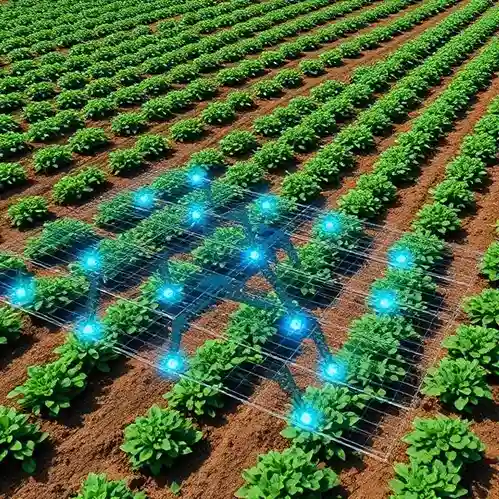
Precision agriculture starts with data. Drones equipped with multispectral and thermal cameras fly over fields, spotting nutrient deficiencies, water stress, and early pest or disease pressure long before farmers would see it with their own eyes. Soil sensors buried in the ground continuously track moisture, pH, and nutrient levels, while weather stations and satellite imagery provide real-time environmental insights.
Powerful AI platforms then analyze all of this information in minutes, creating detailed field maps and predictive models. Farmers receive simple, actionable recommendations on their smartphones or tablets: “Apply nitrogen only in the northwest quarter,” “Irrigate this pivot section tonight,” or “Spray fungicide in zone C.”
Many U.S. operations now pair AI insights with variable-rate technology (VRT). Planters, sprayers, and irrigation systems automatically adjust rates across the field based on GPS-guided prescription maps. The days of treating every acre the same are disappearing—now every plant gets exactly what it needs, when it needs it.
Impressive Gains for U.S. Farmers
The numbers coming out of American farms are remarkable:
- Corn and soybean growers in the Midwest report average yield increases of 15-35 bushels per acre using AI-optimized planting, fertilization, and irrigation.
- California almond, grape, and citrus producers have cut water use by 20-40% while maintaining or increasing yields—an enormous advantage during ongoing droughts.
- Wheat farmers in the Great Plains are seeing 20-30% reductions in fertilizer costs with no drop in production.
- Overall, precision agriculture adopters across the U.S. are saving 30-50% on water and 20-40% on fertilizer and chemicals, while boosting net income per acre.
These improvements translate directly to the farm’s bottom line. Many operators report paying for their AI systems—drones, sensors, software subscriptions—in just one or two growing seasons through higher yields and lower input bills.
Real-Life Success Stories from American Fields
- In Iowa, a family corn-and-soybean operation using AI-driven variable-rate seeding and nutrient application saw a 28-bushel-per-acre increase in corn yields in 2024, adding tens of thousands of dollars to their bottom line.
- California wine grape growers in Napa and Sonoma counties have used AI to fine-tune irrigation and achieve 25% higher yields with 20% less water, preserving quality while cutting costs.
- In Nebraska, a large-scale irrigated corn farmer reduced water usage by 35% and fertilizer by 40% using AI prescription maps, all while hitting record yields.
- Texas cotton producers employing AI for pest scouting and targeted spraying have cut insecticide applications by nearly 50%, saving money and protecting beneficial insects.
- In the Pacific Northwest, potato growers are using AI to predict storage issues and optimize harvest timing, reducing post-harvest losses by 15-20%.
Even smaller operations are benefiting. Affordable smartphone-based AI apps and low-cost drone services are bringing precision agriculture within reach for family farms of all sizes.
Why 2025 Is the Tipping Point for U.S. Adoption
Several factors are accelerating AI adoption across American agriculture:
- Falling hardware costs: Drones, sensors, and software subscriptions are now far more affordable than they were just a few years ago.
- Proven ROI: Farmers who adopted early are sharing clear, measurable financial returns with their neighbors.
- Government incentives: USDA programs, state grants, and crop insurance discounts reward precision practices.
- Labor shortages: AI and automation help growers do more with fewer workers.
- Climate resilience: AI tools help farmers adapt to unpredictable weather and water restrictions.
Major equipment manufacturers like John Deere, Case IH, and AGCO now offer fully AI-integrated machinery, while software platforms from companies like Farmers Edge, Climate FieldView, and The Climate Corporation continue to add powerful new features.
Overcoming the Remaining Hurdles
While adoption is growing fast, some challenges remain:
- Upfront investment can still be significant for smaller operations.
- Reliable rural internet is essential for many cloud-based tools.
- Learning curves exist, though modern platforms are increasingly user-friendly.
Fortunately, solutions are emerging rapidly. Many companies offer subscription models with no large upfront costs, edge-computing options work offline, and university extension services and cooperatives provide training and support.
The Future: Even Bigger Gains Ahead
Looking forward, the next wave of AI innovations will bring even greater advantages to American farmers:
- Autonomous tractors and harvesters that run 24/7 with AI guidance.
- Generative AI designing custom seed varieties and management plans for each field.
- Advanced weather and yield forecasting that can predict outcomes weeks or months in advance.
- Blockchain-tracked sustainability data that opens premium markets and carbon-credit opportunities.
By 2030, experts estimate that precision agriculture could add tens of billions of dollars annually to U.S. farm income while significantly reducing agriculture’s environmental footprint.
A Bright Future for American Agriculture
For U.S. farmers, AI-powered precision agriculture isn’t just a technology trend—it’s a practical, proven way to grow more, spend less, and farm more sustainably. In 2025, the tools are more accessible, the results are clearer, and the payoff is greater than ever.
Whether you’re running a 500-acre family farm in the Midwest or a 5,000-acre irrigated operation in the West, AI is helping American agriculture meet the challenges of today and build a stronger, more profitable tomorrow.