



US Heat Wave 2025: Essential Precautions to Stay Safe Amid Climate-Driven Extreme Heat

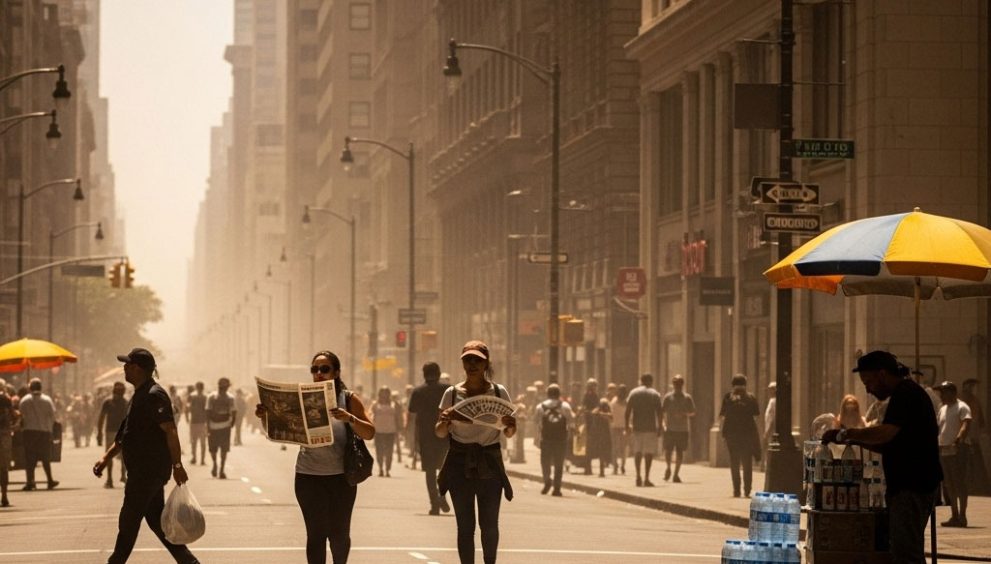
July 23, 2025 – A blistering heat wave is sweeping across the United States, with nearly 160 million Americans facing dangerously high temperatures from the Midwest to the Southeast. Fueled by climate change, this record-breaking heat dome is pushing heat indices to 110°F in some areas, posing serious risks to health and infrastructure. For residents seeking critical safety tips and the latest weather updates, here’s how to protect yourself during the 2025 US heat wave, for www.clickusanews.com.
Extreme Heat Grips the Nation
A massive high-pressure system, or heat dome, is driving triple-digit temperatures across states like Illinois, Missouri, and Tennessee. Cities such as Chicago, Memphis, and Atlanta are seeing highs in the upper 90s to low 100s, with humidity making it feel even hotter. The National Weather Service (NWS) has issued heat alerts for over 90 million people, warning of dangerous conditions that could break records for both daytime highs and overnight lows. Climate Central reports that human-driven climate change has made this heat wave at least three times more likely, with some regions facing conditions up to five times more probable.
As global temperatures rise—2024 was confirmed as the hottest year on record, per NOAA—this summer’s heat wave underscores the growing impact of climate change. With forecasts predicting above-average temperatures through September, Americans must take proactive steps to stay safe.
Top Precautions for Staying Safe During the 2025 Heat Wave
Extreme heat is the deadliest weather-related hazard in the US, outpacing hurricanes and floods. With hospitals reporting surges in heat-related illnesses and at least one confirmed heat-related death in St. Louis, here are essential precautions to protect yourself and your loved ones:
- Stay Hydrated: Drink water regularly, even if you’re not thirsty. Avoid sugary drinks, caffeine, and alcohol, which can dehydrate you. Aim for 8-12 ounces of water every 15-20 minutes if outdoors.
- Seek Air-Conditioned Spaces: Spend time in air-conditioned locations like malls, libraries, or cooling centers. If you lack AC at home, check local resources for cooling stations in your area.
- Limit Outdoor Activity: Avoid strenuous activities between 10 a.m. and 4 p.m., when temperatures peak. If you must be outside, take frequent breaks in the shade and wear lightweight, loose-fitting clothing.
- Recognize Heat Illness Signs: Watch for symptoms of heat exhaustion (dizziness, nausea, headache) or heat stroke (confusion, rapid pulse, no sweating). Call 911 immediately if heat stroke is suspected.
- Check on Vulnerable Individuals: The elderly, children, and those with chronic illnesses are at higher risk. Ensure neighbors, family, or friends have access to cooling and hydration.
- Protect Pets: Never leave pets in parked cars, and ensure they have plenty of water and shade. Walk dogs early in the morning or late in the evening to avoid hot pavement.
- Cool Your Home: Use fans, close blinds during the day, and avoid using ovens or stoves. If power outages occur, follow local alerts for cooling center locations.
- Stay Informed: Monitor weather updates via the NWS or local news. Sign up for emergency alerts to stay ahead of worsening conditions.
Climate Change Amplifies the Crisis
Scientists warn that climate change, driven by fossil fuel emissions, is making heat waves more frequent, intense, and prolonged. The current heat dome is part of a pattern: the last 10 summers rank among the warmest on record, and 2025 is on pace to continue this trend. Urban heat islands in cities like New York and Boston are exacerbating conditions, with temperatures 15-20°F higher than in surrounding areas. Infrastructure, from warped roads in Delaware to strained power grids, is also under pressure.
Experts predict that without significant action to reduce emissions, heat waves like this will become the norm by 2050. Advocacy for federal recognition of extreme heat as a natural disaster is growing, as it would unlock funding for cooling infrastructure and relief efforts.
Community and Policy Solutions
Cities are stepping up with cooling centers, heat warning systems, and policies to prevent utility shutoffs during extreme heat. Individuals can support these efforts by:
- Advocating for Green Spaces: Trees and parks reduce urban heat. Support local initiatives to plant trees or create green roofs.
- Reducing Emissions: Use energy-efficient appliances, carpool, or switch to renewable energy sources to help mitigate climate change.
- Preparing for Power Outages: Keep battery-powered fans, portable chargers, and emergency kits ready in case of grid failures.
Stay Updated with ClickUSANews
For real-time updates on the 2025 heat wave, safety tips, and climate change impacts, visit ClickUSANews.com. Protect yourself and your community as the US navigates this scorching summer.