



7/7 London Bombings: 20th Anniversary Reflections and Is London Safe in 2025?

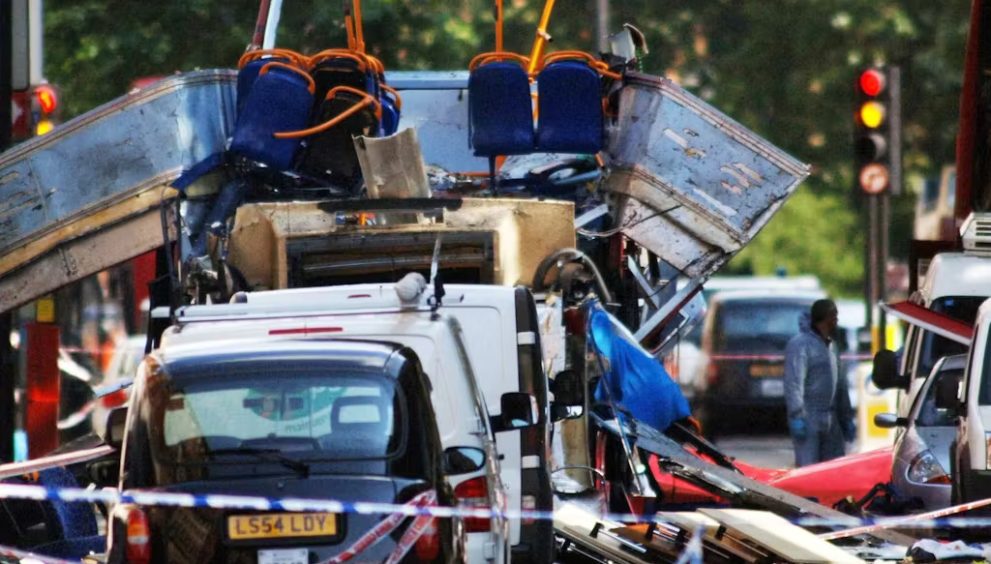
Commemorating the 7/7 London Attacks
On July 7, 2025, the United Kingdom solemnly marks the 20th anniversary of the devastating 7/7 London bombings, a tragic event that claimed 52 lives and injured over 770 people. Four suicide bombers, driven by Islamist extremism, detonated devices on three London Underground trains and a double-decker bus during the morning rush hour in 2005. This coordinated attack, the deadliest single terrorist atrocity on British soil, left an indelible mark on London and its diverse communities.
Today, the nation unites in remembrance, with wreath-laying ceremonies led by Prime Minister Sir Keir Starmer and Mayor of London Sadiq Khan at the 7/7 Memorial in Hyde Park. King Charles has called for unity, urging people to stand together “against those who would seek to divide us.” The Duke and Duchess of Edinburgh will attend a National Service of Commemoration at St Paul’s Cathedral, honoring the victims, survivors, and the bravery of first responders.
Stories of Resilience and Bravery
Survivors like Marina Berry-Dealey, who witnessed the horrors of the attacks, continue to grapple with unseen scars, including PTSD that temporarily robbed her of speech. Despite the trauma, many survivors and families have transformed their grief into acts of compassion. For instance, relatives of victims established initiatives like a children’s eye care center in India, addressing critical healthcare gaps. The courage of emergency services and ordinary Londoners who ran toward danger to help others remains a powerful testament to the city’s spirit.
Is London Safe in 2025?
Two decades later, the question looms: Is London truly safe? While the city has made significant strides in bolstering security, experts warn that the threat of terrorism persists. Britain’s counter-terrorism efforts, including the Prevent program, have evolved to tackle extremism, but challenges remain. Former Metropolitan Police officer Neil Basu highlighted the link between UK foreign policy and radicalization, noting that societal resilience is crucial to countering extremism. Recent reports indicate that hate crimes, particularly against Muslims, have reached record levels in 2025, fueled by a complex interplay of factors, including lingering Islamophobia.
London’s security infrastructure has seen substantial upgrades since 2005. The London Ambulance Service, for example, now boasts improved technology and specialized teams trained for high-risk environments, enhancing coordination with other emergency services. However, some experts argue that the UK’s terror threat level remains elevated, with concerns that “terrorists are still slipping through” intelligence networks. The rise of homegrown extremism and the impact of global geopolitics continue to challenge security agencies.
Community Unity and Moving Forward
The 20th anniversary has sparked renewed discussions about unity and resilience. Prime Minister Starmer emphasized honoring the “bravery of the emergency services, the strength of survivors, and the unity of Londoners in the face of terror.” Yet, voices on platforms like X highlight ongoing concerns, with some claiming that extremist threats have worsened, accounting for a significant portion of MI5’s caseload. Others celebrate London’s multicultural strength, refusing to let fear divide communities.
For NRIs and the global diaspora, London remains a vibrant hub, but vigilance is key. The city’s ability to heal and adapt is evident, yet the anniversary serves as a reminder to stay united against division. As London reflects on the past, it continues to build a safer, more inclusive future.
Keywords: 7/7 London bombings, 20th anniversary, London safety 2025, terrorism in London, UK counter-terrorism, London resilience, 7 July attacks, Sadiq Khan, King Charles, Hyde Park memorial