



Stopping Gun Violence in America: Bold Solutions for a Safer Nation in 2025

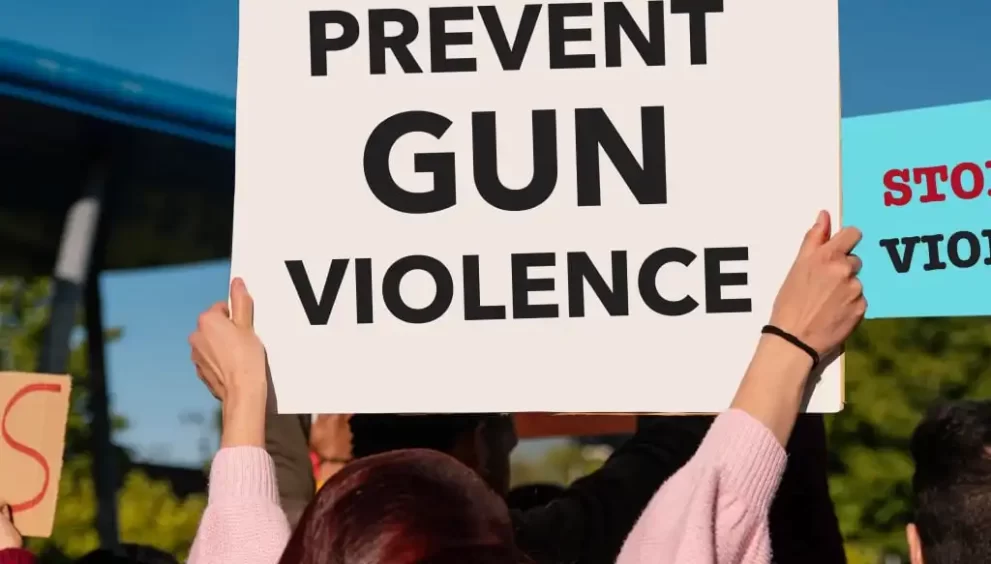
The devastating mass shooting at 345 Park Avenue in New York City on July 28, 2025, where four lives were lost, including a heroic NYPD officer, has reignited a national conversation on gun violence prevention. This tragedy, one of the deadliest in NYC since 2000, underscores a persistent challenge across the United States: curbing gun violence in a country with over 120 firearms per 100 people. For www.clickusanews.com, this SEO-optimized article explores innovative, practical, and community-driven strategies to prevent gun violence nationwide, drawing on America’s diverse perspectives and cutting-edge approaches to create safer communities.
The State of Gun Violence in the U.S.
Gun violence remains a pressing issue in America, with over 40,000 gun-related deaths reported annually, including homicides, suicides, and accidents. In 2025, the U.S. saw a slight decline in gun homicides, but mass shootings like the one in NYC highlight the urgency for action. The 345 Park Avenue shooter, armed with a legally purchased AR-15-style rifle from outside New York’s strict gun laws, exposed vulnerabilities in interstate regulations and mental health systems. Here’s how the U.S. can tackle gun violence with a comprehensive, nationwide approach.
Community-Led Violence Prevention: Grassroots Power
Violence Interruption Programs
Across the U.S., community-based violence interruption programs are proving effective. Modeled after Oakland’s Operation Ceasefire and Chicago’s Cure Violence, these initiatives employ “violence interrupters”—local leaders who mediate conflicts and mentor at-risk individuals. In Oakland, Ceasefire reduced homicides by 43% between 2012 and 2017 by targeting high-risk individuals with mentorship and social services. Cities like Los Angeles and Baltimore have adopted similar models, with programs like Advance Peace achieving a 22% drop in gun violence in targeted areas.
Scaling these programs nationwide, with federal funding through the Bipartisan Safer Communities Act of 2022, could transform communities. For example, interrupters in NYC’s South Bronx have cut gun injuries by 37% through mediation and youth engagement. Expanding training for interrupters and integrating them with local police can amplify their impact.
Empowering Youth and Survivors
Youth engagement is critical to breaking cycles of violence. Programs like Youth ALIVE! in California provide mentorship and job training to at-risk teens, reducing their likelihood of gun involvement. Nationwide, the Gun Violence Survivors Network connects survivors to advocate for policy changes and community healing. By amplifying voices from marginalized communities—often disproportionately affected by gun violence—these programs foster resilience and activism. Schools can adopt curricula like Sandy Hook Promise’s “Know the Signs” to teach students how to identify and report potential threats.
Strengthening Gun Laws: Balancing Rights and Safety
Closing Federal Loopholes
The U.S. faces a patchwork of gun laws, with states like New York enforcing strict regulations while others have looser policies. The 345 Park Avenue shooter exploited this disparity, acquiring his weapon legally in a state with weaker laws. Federal legislation, such as universal background checks and a national assault weapons ban, could close these gaps. The Bipartisan Safer Communities Act expanded background checks for buyers under 21 and funded red flag laws, which allow courts to remove firearms from high-risk individuals. As of 2025, 21 states have red flag laws, but a federal standard could ensure consistency.
Advocacy groups like Everytown for Gun Safety push for closing the “gun show loophole,” requiring checks for all private sales. Strengthening the National Instant Criminal Background Check System (NICS) and regulating ghost gun kits—untraceable firearms assembled at home—could further curb illegal gun flow. In 2023, the ATF reported seizing 19,000 ghost guns, a 1,300% increase since 2017, highlighting the urgency of this issue.
Supporting Responsible Gun Ownership
Respecting Second Amendment rights while promoting safety is key. Initiatives like safe storage campaigns, which distribute free gun locks, prevent accidental shootings and thefts. The ATF’s 2025 safe storage push has reached over 500,000 households. Training programs for gun owners, emphasizing secure storage and de-escalation, can reduce risks without infringing on constitutional protections.
Leveraging Technology and Policing
Smart Policing and Data Analytics
Data-driven policing has shown promise in cities like Chicago and Philadelphia. Predictive tools like ShotSpotter, a gunshot detection system, help police respond faster, with a 97% accuracy rate in pinpointing shooting locations. The ATF’s Crime Gun Intelligence Centers trace firearms used in crimes, leading to thousands of arrests annually. Expanding these technologies to smaller cities and rural areas, where gun violence is rising, could enhance enforcement.
However, policing must be balanced with community trust. Programs like the DOJ’s Project Safe Neighborhoods pair law enforcement with community leaders to target high-crime areas, reducing shootings by 13% in participating cities. Training officers in de-escalation and cultural competency can prevent escalations and build stronger community ties.
Innovative Technologies
Emerging technologies offer new solutions. Smart gun technology, which uses biometrics to restrict firearm use to authorized owners, could prevent stolen guns from being used in crimes. While still in development, companies like LodeStar Works are piloting smart guns with federal support. Drones equipped with AI for real-time crime monitoring, tested in cities like Atlanta, could enhance response times while minimizing officer risk.
Addressing Root Causes: A Holistic Approach
Mental Health and Crisis Response
Mental health crises, like those of the 345 Park Avenue shooter, often precede mass shootings. The National Alliance on Mental Illness reports that 20% of Americans experience mental health issues annually, yet access to care remains limited. The 988 Suicide and Crisis Lifeline, launched in 2022, has handled over 5 million calls by 2025, but funding shortages hinder its reach. Expanding mobile crisis teams, which pair mental health professionals with police, can de-escalate situations. Cities like Denver have seen a 34% reduction in arrests for low-level offenses through such programs.
Tackling Socioeconomic Disparities
Gun violence disproportionately affects low-income communities. Federal investments in job training, affordable housing, and education can address root causes like poverty and unemployment. The Biden administration’s 2023 Community Violence Intervention (CVI) initiative allocated $100 million to support job programs in high-risk areas, reducing shootings by 20% in some cities. Expanding Pell Grants for vocational training and funding community centers can empower youth and reduce gun violence risks.
Community Design and Public Spaces
Crime Prevention Through Environmental Design (CPTED) uses urban planning to deter violence. Improved lighting, green spaces, and secure public housing designs have reduced crime in cities like Seattle. For example, Philadelphia’s LandCare program, which revitalizes vacant lots, cut gun assaults by 17% in targeted areas. Nationwide adoption of CPTED, supported by HUD grants, could transform high-risk neighborhoods. Encouraging businesses to fund community spaces or after-school programs can further strengthen local bonds.
A National Call to Action
Preventing gun violence demands unity across political divides. Americans can support organizations like Brady or Giffords, volunteer with local violence interruption programs, or advocate for bipartisan reforms. Simple actions, like securing firearms at home or reporting concerning behavior, can save lives. As former Congresswoman Gabrielle Giffords said, “We can honor the Second Amendment while making our communities safer.”
Conclusion
The 345 Park Avenue shooting is a stark reminder of America’s gun violence crisis, but it also highlights the power of collective action. By scaling community programs, strengthening laws, leveraging technology, and addressing root causes, the U.S. can forge a safer future. From urban centers to rural towns, these strategies offer hope for reducing tragedies and healing communities. Stay updated at www.clickusanews.com for the latest on America’s fight against gun violence.