



Perseid Meteor Shower 2025: Top 5 Places in the USA to Watch the Night Sky Come Alive

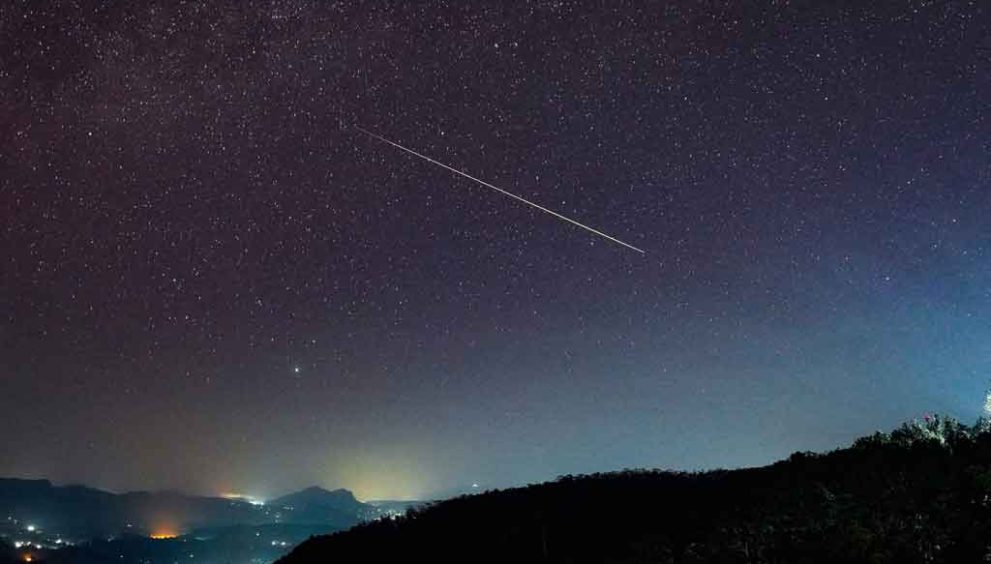
Get Ready, America—The Most Spectacular Meteor Shower of the Year Is Coming
As summer winds down and August skies darken, the 2025 Perseid meteor shower is set to deliver a cosmic show like no other. Peaking between August 11–13, this celestial phenomenon could yield up to 100 meteors per hour, streaking through the sky at blazing speeds of 36 miles per second. While a waning gibbous moon (84% full on August 12) may wash out some of the fainter meteors, stargazers across the United States can still catch the brightest fireballs with the right timing and a great viewing location.
Whether you’re an avid astronomer or a family seeking a magical summer night under the stars, www.clickusanews.com brings you the best dark-sky spots in the USA to witness the 2025 Perseids in all their glory—plus top gear recommendations to enhance your stargazing experience.
What Makes the Perseids So Special?
The Perseids are the most popular meteor shower of the year, originating from debris left by Comet Swift-Tuttle. As Earth passes through the comet’s trail, these particles burn up in our atmosphere, creating bright shooting stars. The shower appears to radiate from the constellation Perseus, which rises higher in the sky after midnight—making pre-dawn hours the best time to watch.
In 2025, moonlight will be a factor during peak nights, but with carefully chosen dark-sky locations, you can still enjoy an unforgettable show.
Best Places in the USA to Watch the Perseids in 2025
1. Cherry Springs State Park, Pennsylvania
Best for East Coast Stargazers
Why Go?
This Gold-tier International Dark Sky Park is a haven for astronomy lovers. Located in rural northern Pennsylvania, it offers some of the darkest skies east of the Mississippi, making it a go-to destination for meteor showers and Milky Way views.
Gear Must-Haves:
- Telescope: Celestron NexStar 6SE – Great for planetary and deep-sky viewing.
- Star Map App: SkySafari 7 Pro – Tracks Perseus and meteor radiants.
- Comfort: Reclining camp chair + warm blanket.
Insider Tip:
Arrive early and set up in the Astronomy Field—a designated space perfect for skywatchers.
2. Joshua Tree National Park, California
Best for West Coast Adventure-Seekers
Why Go?
With surreal desert landscapes and pitch-black skies, Joshua Tree is ideal for those who want a mix of natural beauty and stellar views. Just a few hours from LA, it offers convenient camping under a blanket of stars.
Gear Must-Haves:
- Telescope: Orion SkyQuest XT8 Dobsonian – Excellent for nebulae and star clusters.
- Planisphere: David Levy’s Guide to the Stars – Perfect for pinpointing constellations.
- Comfort: Warm blanket + hot cocoa for cool desert nights.
Insider Tip:
Visit around July 24 (near new moon) to avoid the moonlight, or plan for post-3:30 a.m. sessions during the peak.
3. Central Idaho Dark Sky Reserve
Best for Remote Wilderness and Ultimate Darkness
Why Go?
The first (and only) Gold-tier International Dark Sky Reserve in the USA, this 1,400-square-mile region includes scenic towns like Stanley and Ketchum. Surrounded by the Sawtooth Mountains, this area boasts minimal light pollution and sweeping views of the night sky.
Gear Must-Haves:
- Telescope: Meade Polaris 130mm Reflector – Affordable and great for planetary viewing.
- Star Map: National Geographic Star Map – Durable and detailed.
- Comfort: Portable recliner + red LED headlamp.
Insider Tip:
Check out Redfish Lake—a serene location that naturally blocks moonlight with mountain shadows.
4. Mauna Kea, Hawaii
Best for High-Altitude Stargazing
Why Go?
At 9,200 feet, Mauna Kea offers an otherworldly view above the clouds. The dry air and elevation make it one of the clearest places on Earth to view the night sky—even during moonlit nights.
Gear Must-Haves:
- Telescope: Celestron StarSense Explorer DX – Smartphone-guided star navigation.
- App: Stellarium Mobile Plus – Simulates star charts and meteor showers.
- Comfort: Sleeping bag + tripod stool.
Insider Tip:
Join a guided stargazing tour from the Visitor Center, and dress warmly—temps can drop below 40°F, even in August.
5. Goldendale Observatory State Park, Washington
Best for Educational Family Stargazing
Why Go?
This observatory near the Columbia River Gorge is designed for public astronomy and features telescopes and guided programs. It’s perfect for families and casual stargazers who want to learn while watching the skies.
Gear Must-Haves:
- Telescope: Sky-Watcher Heritage 130P – Portable, simple, and powerful.
- Star Guide: Pocket Sky Atlas – Ideal for locating Perseus and nearby constellations.
- Comfort: Lightweight camping pad + battery-powered hand warmer.
Insider Tip:
Attend a Perseid-themed star party for expert tips, telescope use, and a community experience.
Tips for the Best Perseid Viewing Experience
- Time it Right: The best viewing is after midnight, especially between 3:30 a.m. and dawn when the moon sets.
- Go Dark: Use a light pollution map to find optimal viewing spots.
- No Binoculars Needed: Meteors move fast—your naked eye is the best tool.
- Photography Tip: Use a DSLR with a tripod and long exposure settings for best results.
- Stay Warm: Dress in layers, bring a thermos, and don’t forget snacks for the night.
Make 2025 the Year You Chase the Stars
The Perseid meteor shower of 2025 is more than an annual phenomenon—it’s a chance to reconnect with nature, spark curiosity, and share unforgettable moments with friends and family under the cosmic dome.
Whether you’re watching from a desert, a mountain, a lake, or your backyard, the universe is waiting to dazzle you. So pack your gear, pick your destination, and look up—the night sky is putting on a show you won’t want to miss.
Share your Perseid stories and photos with us! Email: hello@clickusanews.com or tag us on social media with #ClickUSAStargazing.