

AI Revolution in America 2025: What It Means


AI Revolution in America 2025: What It Means
Introduction
Artificial intelligence has moved beyond science fiction into the everyday reality of millions of Americans. From the moment we wake up to check our smartphones to the algorithms that recommend our evening entertainment, AI technology is reshaping how Americans work, receive healthcare, and navigate daily life.
AI’s Impact on American Jobs and the Workplace
The Changing Employment Landscape
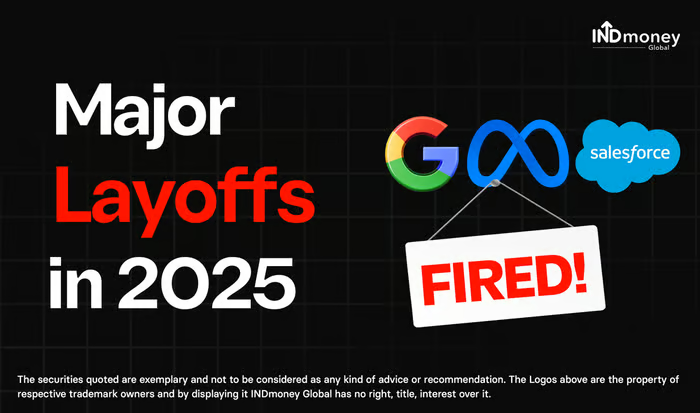
The rise of AI in the American workplace has created both opportunities and challenges. While automation has eliminated certain routine tasks, it has also created new career paths in data science, machine learning engineering, and AI ethics. According to recent workforce analyses, approximately 36 million American jobs face high exposure to automation, yet the technology is simultaneously generating demand for skilled workers who can develop, manage, and work alongside AI systems.
Industries Experiencing Major Transformation
Manufacturing, customer service, and logistics have seen significant AI integration. Automated systems now handle inventory management, predictive maintenance, and quality control in factories across the country. Meanwhile, customer service representatives increasingly work with AI chatbots that handle routine inquiries, allowing human workers to focus on complex problem-solving.
The financial services sector has embraced AI for fraud detection, risk assessment, and algorithmic trading. These systems process millions of transactions daily, identifying suspicious patterns faster than any human team could achieve.
Skills Americans Need for the AI Era
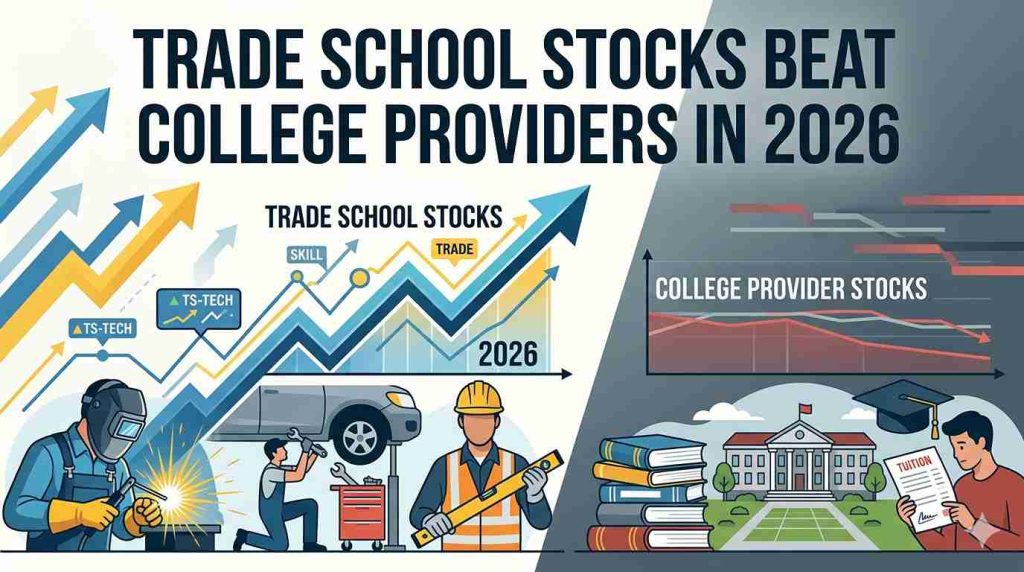
Educational institutions and workforce development programs are responding to the AI revolution by emphasizing STEM education, critical thinking, and creativity. Americans who combine technical literacy with uniquely human skills like emotional intelligence, creative problem-solving, and strategic thinking are finding themselves well-positioned for the evolving job market.
Transforming American Healthcare with AI
Diagnostic Accuracy and Early Detection
AI-powered diagnostic tools are helping American doctors detect diseases earlier and more accurately. Machine learning algorithms can analyze medical imaging to identify potential cancers, heart conditions, and neurological disorders, often catching signs that human eyes might miss. This technology is particularly valuable in rural areas where specialist access remains limited.
Personalized Treatment Plans
Healthcare providers increasingly use AI to develop personalized treatment strategies based on a patient’s genetic makeup, medical history, and lifestyle factors. This precision medicine approach is improving outcomes for conditions ranging from cancer to diabetes, helping Americans receive care tailored specifically to their needs.
Administrative Efficiency and Cost Reduction
AI systems are streamlining healthcare administration by automating appointment scheduling, insurance claims processing, and medical record management. These efficiencies help reduce administrative costs, potentially making healthcare more affordable for American families while allowing medical professionals to spend more time with patients.
Telemedicine and Remote Monitoring
The integration of AI with telemedicine platforms has expanded healthcare access for Americans in underserved communities. AI-powered remote monitoring devices track vital signs and alert healthcare providers to potential issues before they become emergencies, particularly benefiting elderly Americans and those with chronic conditions.
AI in Everyday American Life
Smart Home Technology
Millions of American households now use AI-powered smart home devices. Voice assistants manage everything from thermostats to security systems, learning household patterns to optimize energy use and enhance convenience. These technologies are making homes more accessible for elderly Americans and those with disabilities.
Transportation and Autonomous Vehicles
AI is revolutionizing how Americans travel. Advanced driver assistance systems are making roads safer by helping prevent accidents through automatic emergency braking and lane-keeping assistance. Several cities are testing autonomous vehicle services, potentially transforming urban transportation and offering mobility solutions for Americans who cannot drive.
Entertainment and Content Recommendations
Streaming services use AI algorithms to recommend content based on viewing habits, fundamentally changing how Americans discover movies, music, and television shows. While this personalization enhances user experience, it also raises questions about echo chambers and content diversity.
Shopping and E-commerce
AI powers personalized shopping experiences, from product recommendations to virtual try-on features. Automated checkout systems and delivery route optimization are making retail more convenient while changing the nature of retail employment across America.
Education and Learning
American schools and universities are incorporating AI tools to personalize learning experiences. Adaptive learning platforms adjust to individual student needs, providing customized instruction that helps struggling students catch up and allows advanced learners to progress faster. However, concerns about academic integrity and the role of AI in homework and assignments have prompted important discussions about educational values.
Privacy and Security Concerns
The widespread adoption of AI raises significant privacy questions for Americans. Facial recognition technology, data collection practices, and algorithmic decision-making have sparked debates about civil liberties and the need for robust regulation. Many Americans express concern about how their personal data is collected, used, and protected by AI systems.
Bias and Fairness Issues
AI systems can perpetuate or amplify existing biases if trained on unrepresentative data. This has led to documented cases of discrimination in lending, hiring, and law enforcement applications. American policymakers, tech companies, and advocacy groups are working to address these fairness concerns and ensure AI benefits all Americans equitably.
Economic Implications for American Families
AI’s impact on the American economy extends beyond employment. The technology is affecting income distribution, with some economists warning of a widening skills gap between workers who can leverage AI and those whose jobs are most vulnerable to automation. However, AI also has the potential to increase productivity and economic growth, potentially benefiting American consumers through lower prices and improved services.
Looking Ahead: The Future of AI in America
As AI technology continues advancing, Americans face important decisions about how to shape its development and deployment. Questions about regulation, ethical guidelines, and ensuring equitable access to AI’s benefits remain at the forefront of national discussion.
Workforce retraining programs, educational initiatives, and policy frameworks will determine how successfully America navigates this technological transition. The goal is ensuring that AI serves as a tool for broad-based prosperity rather than a source of economic disruption and inequality.
Conclusion
Artificial intelligence is fundamentally reshaping American life across virtually every sector. While the technology presents challenges related to employment disruption, privacy, and fairness, it also offers tremendous opportunities to improve healthcare, increase productivity, and enhance quality of life. How Americans and their institutions respond to these changes will determine whether AI’s impact ultimately proves transformative in positive ways for the broadest possible segment of society.
The AI revolution is not coming—it is already here. Understanding its implications and actively participating in shaping its future will be crucial for all Americans in the years ahead.
Keywords: AI impact on Americans, artificial intelligence jobs, AI healthcare, workplace automation, machine learning USA, AI technology 2025, American economy AI, future of work America, AI privacy concerns, smart technology USA