



The Cultural Significance of Christmas in the USA: Traditions & Origins

The Importance of Christmas in America: History, Traditions, and Cultural Significance
Introduction: Why Christmas Matters in American Culture
Christmas stands as one of the most significant and widely celebrated holidays in the United States, transcending religious boundaries to become a cornerstone of American culture. Observed annually on December 25th, Christmas brings together families, communities, and millions of Americans in a shared celebration of joy, generosity, and togetherness. Understanding the importance of Christmas helps us appreciate its profound impact on American society, economy, and collective identity.
The Religious Significance of Christmas
Celebrating the Birth of Jesus Christ
At its core, Christmas commemorates the birth of Jesus Christ in Bethlehem over 2,000 years ago. For the approximately 65% of Americans who identify as Christian, Christmas represents the most sacred celebration of their faith. The nativity story—involving Mary, Joseph, the manger, shepherds, and the three wise men—forms the spiritual foundation of the holiday.
Biblical Importance:
- Represents the incarnation of God becoming human
- Symbolizes hope, salvation, and divine love
- Fulfills ancient prophecies from the Old Testament
- Marks the beginning of Christ’s earthly mission
Church Celebrations: Churches across America hold special services during the Christmas season, including Christmas Eve midnight Mass, candlelight services, and nativity pageants. These gatherings provide spiritual renewal and community bonding for millions of believers.
Interfaith Respect and Religious Freedom
While Christmas originates from Christian tradition, America’s commitment to religious freedom means the holiday coexists respectfully with other winter celebrations like Hanukkah and Kwanzaa. Many Americans appreciate Christmas’s spiritual message of peace and goodwill regardless of their personal faith background.
Historical Importance of Christmas in America
Early American Christmas Traditions
Christmas wasn’t always universally celebrated in America. The Puritans actually banned Christmas celebrations in colonial Massachusetts from 1659 to 1681, viewing them as too secular. However, immigration waves from various European countries brought diverse Christmas traditions that gradually shaped American celebrations.
Key Historical Milestones:
- 1870: Christmas became a federal holiday under President Ulysses S. Grant
- Late 1800s: German immigrants popularized Christmas trees
- Early 1900s: Commercial Christmas cards and decorations became widespread
- 1930s-1940s: Radio and movies spread Christmas culture nationwide
- Post-WWII Era: Christmas became America’s major gift-giving celebration
Evolution into a National Holiday
The transformation of Christmas from a religious observance to a national cultural phenomenon reflects America’s unique ability to blend sacred and secular traditions. Today, Christmas bridges diverse communities, creating shared experiences that unite Americans across different backgrounds.
Cultural Importance of Christmas in Modern America
Family Reunions and Togetherness
Christmas serves as America’s primary family reunion holiday. Millions of Americans travel across the country—often facing crowded airports and highways—to spend Christmas with loved ones. The holiday creates precious opportunities for:
- Multi-generational gatherings bringing together grandparents, parents, and children
- Strengthening family bonds through shared meals and traditions
- Creating childhood memories that last a lifetime
- Reconnecting with extended family members rarely seen during the year
- Healing family rifts as the spirit of forgiveness prevails
The phrase “home for Christmas” captures the deep emotional pull many Americans feel to return to their roots during this special season.
Community Building and Social Connection
Beyond individual families, Christmas strengthens community ties throughout America:
Neighborhood Traditions:
- Coordinated light displays bringing streets alive with festive spirit
- Community caroling groups spreading holiday cheer
- Neighborhood cookie exchanges and potluck dinners
- Local Christmas parades and tree lighting ceremonies
- Block parties and open houses
Workplace Celebrations: Many American workplaces host Christmas parties, Secret Santa gift exchanges, and year-end celebrations that boost morale and strengthen colleague relationships.
The Spirit of Giving and Generosity
Christmas amplifies American generosity to remarkable levels. The holiday season accounts for a significant portion of annual charitable giving in the United States.
Charitable Impact:
- Toy drives like Toys for Tots collect millions of gifts for underprivileged children
- Food banks receive their highest donation volumes
- Salvation Army bell ringers raise substantial funds at store entrances nationwide
- Angel Tree programs help families in need
- Volunteer participation spikes during December
According to Giving USA, Americans donate approximately 30% of their annual charitable contributions during the Christmas season, demonstrating the holiday’s power to inspire compassion and social responsibility.
Economic Importance of Christmas
Retail and Commerce
Christmas profoundly impacts the American economy, making it the most significant shopping season of the year.
Economic Statistics:
- Retail sales during November and December account for approximately 20-30% of annual retail revenue
- The National Retail Federation reports that holiday spending typically exceeds $800 billion annually
- E-commerce sales during Christmas season continue breaking records year after year
- Small businesses depend heavily on Christmas sales for profitability
Key Shopping Events:
- Black Friday: The day after Thanksgiving kicks off Christmas shopping
- Small Business Saturday: Supports local retailers
- Cyber Monday: Online shopping bonanza
- Super Saturday: The final Saturday before Christmas
Employment Opportunities
The Christmas season creates substantial temporary employment:
- Retailers hire hundreds of thousands of seasonal workers
- Shipping companies like UPS and FedEx add temporary staff
- Restaurants and hospitality businesses increase staffing
- Entertainment venues require additional employees
Tourism and Travel Industry
Christmas drives significant economic activity in travel and tourism:
- Airlines experience their busiest travel period
- Hotels see high occupancy rates in destination cities
- Theme parks create special Christmas attractions (Disney, Universal Studios)
- Ski resorts reach peak season
- Christmas markets attract tourists to cities like Chicago and New York
Christmas Traditions in American Homes
Decorating for Christmas
American homes transform into winter wonderlands during the Christmas season:
Indoor Decorations:
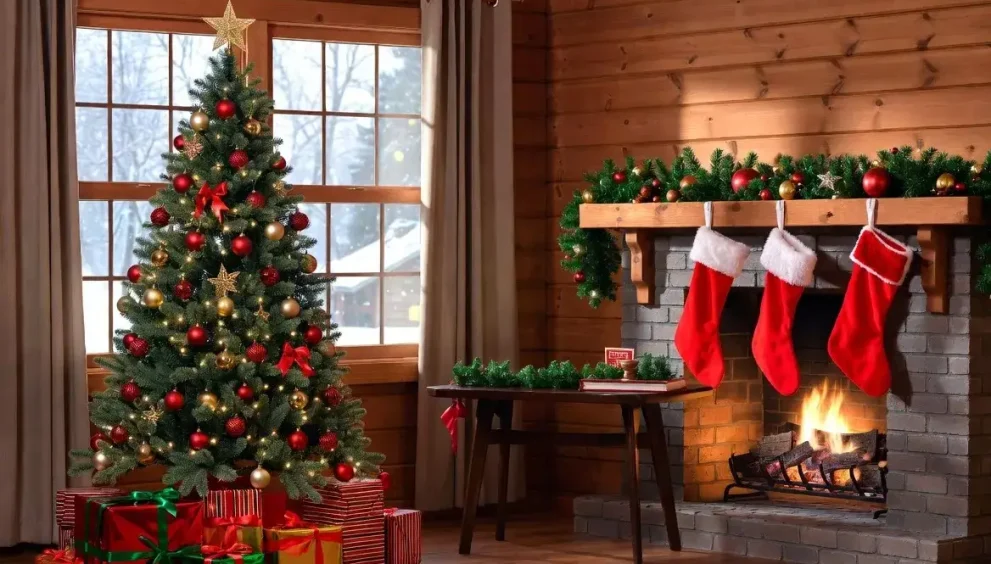
- Christmas Trees: The centerpiece of most homes, decorated with lights, ornaments, and topped with stars or angels
- Wreaths and Garlands: Adorning doors, mantels, and staircases
- Nativity Scenes: Displaying the birth of Jesus
- Stockings: Hung by the fireplace for Santa to fill
- Advent Calendars: Counting down days until Christmas
Outdoor Decorations:
- Light Displays: Ranging from simple to elaborate choreographed shows
- Inflatable Decorations: Popular animated figures
- Yard Displays: Nativity scenes, Santa sleighs, reindeer
- Roof Decorations: Santa and reindeer silhouettes
Some neighborhoods host competitions for best-decorated homes, creating festive community spirit and attracting visitors from miles around.
Christmas Dinner Traditions
Christmas dinner represents one of America’s most cherished traditions, though specific foods vary by region and family heritage:
Traditional Christmas Foods:
- Roast Turkey or Ham: The typical centerpiece
- Prime Rib or Standing Rib Roast: Popular in many households
- Mashed Potatoes and Gravy: Classic side dish
- Stuffing or Dressing: Regional variations abound
- Green Bean Casserole: American holiday staple
- Cranberry Sauce: Sweet-tart accompaniment
- Christmas Cookies: Baked in various shapes and flavors
- Fruitcake and Gingerbread: Traditional desserts
- Eggnog: Festive beverage
Many families incorporate ethnic traditions, adding Italian, Mexican, Polish, or other cultural dishes to their Christmas feasts.
Gift-Giving Customs
Exchanging gifts forms the heart of American Christmas celebrations:
Gift Traditions:
- Secret Santa: Anonymous gift exchanges in groups
- White Elephant: Humorous gift swapping games
- Wish Lists: Children write letters to Santa Claus
- Stockings: Small gifts and treats
- Christmas Morning: Unwrapping presents together as a family
The Santa Claus Tradition: American children believe in Santa Claus, who travels from the North Pole on Christmas Eve to deliver presents to good boys and girls. Families leave cookies and milk for Santa, adding magic to the holiday experience.
Christmas Music and Entertainment
Iconic Christmas Songs
Christmas music saturates American airwaves starting in November:
Classic Christmas Songs:
- “White Christmas” by Bing Crosby (best-selling single ever)
- “All I Want for Christmas Is You” by Mariah Carey
- “Jingle Bell Rock” by Bobby Helms
- “Silent Night” (traditional carol)
- “The Christmas Song” by Nat King Cole
- “Feliz Navidad” by José Feliciano
- “Last Christmas” by Wham!
Modern Traditions:
- Radio stations switching to all-Christmas formats
- Spotify and streaming service Christmas playlists
- Christmas caroling groups in neighborhoods and malls
- Church choir Christmas concerts
Christmas Movies and Television
American Christmas entertainment has created cultural touchstones:
Must-Watch Christmas Films:
- “It’s a Wonderful Life” (1946) – Classic American story
- “Miracle on 34th Street” (1947) – Belief in Santa
- “A Christmas Story” (1983) – Nostalgic childhood Christmas
- “Home Alone” (1990) – Family comedy tradition
- “Elf” (2003) – Modern Christmas classic
- “The Polar Express” (2004) – Animated favorite
Television Specials:
- “A Charlie Brown Christmas” (since 1965)
- “Rudolph the Red-Nosed Reindeer” (since 1964)
- “Frosty the Snowman” (since 1969)
- Hallmark Channel’s continuous Christmas movie programming
These shows create shared cultural memories across generations of Americans.
Regional Christmas Celebrations Across America
Northeast Christmas Traditions
New York City:
- Rockefeller Center Christmas Tree lighting ceremony
- Radio City Music Hall Christmas Spectacular featuring the Rockettes
- Holiday window displays on Fifth Avenue
- Ice skating in Central Park
Boston:
- Boston Common Christmas tree (gift from Nova Scotia)
- Historic colonial-style Christmas celebrations
- Christmas Eve caroling on Beacon Hill
Southern Christmas Celebrations
Southern Hospitality:
- Elaborate home decorations with emphasis on outdoor lights
- Christmas boat parades in coastal areas
- Traditional Southern foods like ham and sweet potato casserole
- Warmer weather allows for outdoor celebrations
New Orleans:
- “Reveillon” dinners (Creole Christmas tradition)
- Bonfires on the Mississippi River levees on Christmas Eve
- Jazz-influenced Christmas music
Midwest Christmas Traditions
Chicago:
- Christkindlmarket (German-style Christmas market)
- Magnificent Mile Lights Festival
- Museum of Science and Industry’s Christmas Around the World
Small Town America:
- Main Street light displays
- Community nativity pageants
- Local Christmas parades featuring high school bands
Western Christmas Celebrations
California:
- Beach Christmas celebrations (unique warm-weather traditions)
- Hollywood Christmas Parade
- Theme park Christmas events (Disneyland, Universal Studios)
Colorado:
- Mountain resort Christmas getaways
- Ski resort holiday celebrations
- Georgetown’s Christmas Market
Pacific Northwest:
- Christmas ship parades (decorated boats)
- Christmas tree farms for cutting your own tree
- Cozy, rain-friendly indoor celebrations
Christmas in American Schools and Public Spaces
School Christmas Celebrations
While public schools must remain sensitive to religious diversity, many incorporate winter holiday celebrations:
- Winter concerts featuring secular Christmas music
- Holiday parties with cookies and activities
- Gift exchanges among students
- Service projects teaching generosity
- Art projects creating decorations and cards
Public Christmas Displays
American cities embrace Christmas with public celebrations:
National Christmas Tree: The President lights the National Christmas Tree near the White House annually, a tradition since 1923.
City Christmas Trees: Major cities compete for impressive public Christmas trees:
- New York’s Rockefeller Center tree (typically 75+ feet tall)
- Chicago’s Millennium Park tree
- San Francisco’s Union Square tree
- Washington DC’s Capitol Christmas Tree
Municipal Decorations: Cities invest significantly in downtown decorations, creating festive atmospheres that boost local business and tourism.
The Meaning and Messages of Christmas
Core Christmas Values
Beyond commercialism, Christmas promotes timeless American values:
Peace and Goodwill: The phrase “Peace on Earth, goodwill toward men” reminds Americans to seek harmony and treat others with kindness.
Family and Togetherness: Christmas emphasizes the importance of family bonds and spending quality time with loved ones.
Generosity and Charity: The spirit of giving extends beyond family to helping those less fortunate.
Hope and Renewal: Christmas offers hope for the future and encourages personal reflection and renewal.
Gratitude: The holiday season prompts appreciation for blessings and expressing thanks.
Christmas in Times of Crisis
Christmas takes on special importance during challenging periods:
Economic Hardships: During recessions, Christmas reminds Americans to focus on relationships over materialism.
National Tragedies: After events like 9/11, Christmas provided healing and unity for grieving communities.
Military Deployments: For families with service members overseas, Christmas celebrations include remembering those serving abroad.
Recent Pandemic: COVID-19 transformed Christmas 2020-2021, showing adaptability through virtual gatherings and drive-through events while maintaining Christmas spirit.
Christmas and American Identity
A Unifying National Experience
Despite America’s diversity, Christmas creates shared experiences:
- Common visual landscape (decorations, lights)
- Familiar music playing everywhere
- Widespread vacation time bringing Americans together
- Shared television programming and entertainment
Balancing Commercial and Spiritual
Americans navigate the tension between Christmas’s religious meaning and commercial aspects:
Criticism of Commercialism: Many Americans express concern about excessive consumerism overshadowing Christmas’s true meaning.
Finding Balance: Families increasingly focus on experiences over gifts, emphasizing quality time, homemade presents, and charitable giving.
Inclusivity and Respect
Modern America strives to celebrate Christmas while respecting religious diversity:
- Using “Happy Holidays” to include all winter celebrations
- Workplace policies accommodating various religious observances
- Public spaces featuring diverse cultural celebrations
- Teaching children about different traditions
The Future of Christmas in America
Evolving Traditions
Christmas continues adapting to changing American society:
Technology Integration:
- Virtual family gatherings via video calls
- Online shopping dominating retail
- Social media sharing of Christmas experiences
- Digital greeting cards supplementing traditional paper cards
Sustainability Concerns:
- Eco-friendly decorations and wrapping
- LED lights reducing energy consumption
- Artificial trees vs. real tree debates
- Emphasis on experiences over physical gifts
Demographic Changes: America’s increasing diversity enriches Christmas with new cultural influences while maintaining core traditions.
Preserving What Matters Most
Despite changes, fundamental aspects of Christmas remain constant:
- Family gatherings and reunion traditions
- Spirit of generosity and charity
- Community celebrations and togetherness
- Messages of hope, peace, and love
Conclusion: Christmas as an American Institution
Christmas represents far more than a single day on the calendar—it embodies essential American values of family, generosity, community, and hope. Whether celebrated religiously as the birth of Jesus Christ or embraced culturally as a season of goodwill, Christmas holds profound importance in American life.
The holiday’s ability to bring together diverse Americans in shared traditions and experiences demonstrates its unique role in our national identity. From small-town Main Streets adorned with lights to Times Square’s dazzling displays, from family dinner tables to charitable organizations serving those in need, Christmas weaves through the fabric of American society.
As we look toward future Christmases, the holiday will undoubtedly continue evolving while preserving the timeless values that make it meaningful. The importance of Christmas in America lies not merely in its economic impact or cultural traditions but in its power to inspire compassion, strengthen relationships, and remind us of our shared humanity.
This Christmas season, as millions of Americans celebrate in their own unique ways, they participate in a grand American tradition that connects past, present, and future generations in a beautiful tapestry of faith, family, and fellowship.
Frequently Asked Questions About Christmas in America
Q: When did Christmas become a federal holiday in the United States? A: Christmas became a federal holiday on June 26, 1870, when President Ulysses S. Grant signed legislation making it an official day off for federal employees.
Q: Why do Americans celebrate Christmas on December 25th? A: December 25th was chosen by early Christians to commemorate Jesus Christ’s birth, though the exact historical date is unknown. The date may have been selected to coincide with existing winter solstice festivals.
Q: How much do Americans spend on Christmas gifts annually? A: Americans typically spend over $800 billion during the holiday shopping season, with average households spending approximately $900-$1,000 on gifts, decorations, and celebrations.
Q: Is Christmas only celebrated by Christians in America? A: While Christmas originates from Christian tradition, many non-Christian Americans participate in secular aspects of Christmas, such as gift-giving, decorations, and family gatherings. About 90% of Americans celebrate Christmas in some form.
Q: What’s the most popular Christmas tradition in America? A: Decorating Christmas trees ranks as one of the most popular traditions, with approximately 75-80% of American households displaying a Christmas tree during the holiday season.
Q: Why do some people say “Happy Holidays” instead of “Merry Christmas”? A: “Happy Holidays” has become common as an inclusive greeting that encompasses Christmas, Hanukkah, Kwanzaa, New Year’s, and other winter celebrations, respecting America’s religious diversity.
Q: Do all American schools celebrate Christmas? A: Public schools often hold “winter celebrations” or “holiday parties” that may include Christmas elements while remaining inclusive of students from all backgrounds. Private religious schools typically have more explicitly Christmas-focused celebrations.
ClickUSANews wishes all our readers a Merry Christmas and joyous holiday season filled with love, laughter, and cherished memories!