


Breathing Life into Farms: Plant Breathing Breakthrough 2026 Offers Hope Against Drought and Hunger

Breathing Life into Farms: Plant Breathing Breakthrough 2026 Offers Hope Against Drought and Hunger
In the parched fields of California’s Central Valley, where the sun beats down like an unrelenting judge, Elena Ramirez wipes sweat from her brow as she surveys her withering tomato vines. A third-generation farmer, Elena has spent her life nurturing the soil that fed her family and community. But this year, the drought has turned her dreams to dust. “I remember my grandfather telling stories of bountiful harvests,” Elena whispers to herself, her voice cracking with the weight of inherited legacy. Now, at 45, she’s facing crop failure that could force her to sell the land her ancestors poured their hearts into. Her two teenage children help after school, but their faces show the same fear—will there be enough to eat, let alone sell? The despair is palpable in the quiet evenings when Elena sits on her porch, staring at the cracked earth, wondering if she’ll ever feel the joy of a thriving farm again.
Yet, amid this heartbreak, a glimmer of hope emerges from the labs of innovative scientists. The plant breathing breakthrough 2026, a revolutionary technology enabling real-time observation of how plants “breathe,” promises to transform Elena’s struggle into triumph. By monitoring photosynthesis and respiration instantly, this tech could help develop drought-resistant crops tailored to her arid fields. Elena first heard about it on a local news clip, and as she imagines sensors whispering secrets from her plants, a spark of renewed joy ignites. “It’s like the earth is finally speaking back to us,” she says, her eyes lighting up with the possibility of saving her farm and feeding her community once more.
The Plant Breathing Breakthrough 2026: A New Era in Agriculture
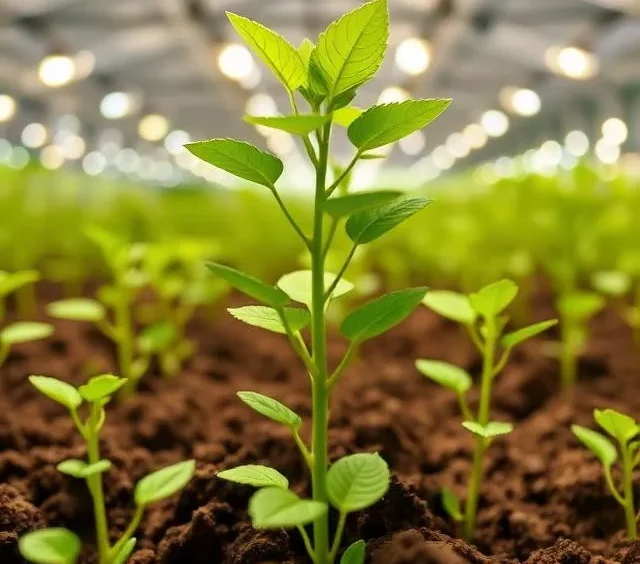
The plant breathing breakthrough 2026 isn’t just a scientific novelty—it’s a lifeline for farmers like Elena worldwide. Developed through years of collaborative research between botanists at Stanford University and tech engineers from Silicon Valley startups, this technology uses advanced nanosensors embedded in plant tissues to track gas exchange in real time. Unlike traditional methods that relied on delayed lab tests, real-time photosynthesis monitoring allows scientists and farmers to see exactly how plants inhale carbon dioxide and exhale oxygen, adapting to environmental stresses on the spot.
This innovation comes at a critical time. With climate change intensifying droughts and unpredictable weather, agriculture faces unprecedented threats. The plant breathing breakthrough 2026 integrates AI-driven analytics to predict plant health, optimizing water usage and fertilizer application. For Elena, it means potentially saving 40% on irrigation while boosting yields—turning her despair into a story of resilience. But to understand its true power, we must delve into the human journeys behind it.
The Science Revolutionizing Agriculture
At its core, the plant breathing breakthrough 2026 demystifies the invisible dance of photosynthesis and respiration. Plants “breathe” by absorbing CO2 during the day for energy production, but here’s a shocking insight: they respire differently at night, releasing CO2 without light, which can waste precious resources in stressed conditions. This revelation is changing farming forever, as real-time data shows how plants cope with heatwaves or soil salinity, enabling climate-smart agriculture strategies that weren’t possible before.
Imagine tiny, biodegradable sensors—smaller than a grain of rice—inserted into leaves or roots. These devices transmit data via wireless networks to apps on farmers’ phones, providing alerts like “Your crops are thirsty—irrigate now for optimal breathing.” This isn’t sci-fi; it’s grounded in biology enhanced by tech. Empathetically, it addresses the human cost of climate fears: families like Elena’s no longer need to guess at nature’s whims. Instead, they gain control, fostering hope where uncertainty once reigned.
Surprising stats underscore the urgency and potential:
- Global droughts have reduced crop yields by up to 25% in the last decade, but the plant breathing breakthrough 2026 could reverse this by enabling drought-resistant crops that use 30% less water.
- In dry areas like California’s valleys, this tech might boost yields by 30%—here’s why: by monitoring respiration peaks, farmers can time interventions precisely, preventing energy loss during nighttime “breathing” cycles.
- Over 2 billion people face food insecurity due to climate impacts; real-time photosynthesis monitoring could enhance food production in vulnerable regions, potentially feeding an extra 500 million by 2030.
These figures aren’t abstract—they represent lives transformed, from Elena’s community picnics revived by abundant harvests to global efforts in climate-smart agriculture.
A Young Scientist’s Journey: From Doubt to Discovery
Dr. Mia Chen’s path to the plant breathing breakthrough 2026 began in 2018, as a wide-eyed graduate student at MIT. Fresh from a biology undergrad, Mia was driven by a personal stake: her family’s small farm in rural China had suffered repeated floods, igniting her passion for sustainable solutions. “I wanted to give voice to the silent struggles of plants,” she recalls, her journey marked by late nights in dimly lit labs.
Chronologically, it started with frustration. In 2020, Mia’s early prototypes—clunky sensors that failed in humid conditions—led to setbacks. Funding dried up during the pandemic, and doubt crept in: “Was I chasing a dream that couldn’t breathe?” she wondered, echoing the very process she studied. But a eureka moment came in 2023 during a field trial in Arizona. As data streamed in showing real-time shifts in plant respiration under heat stress, Mia jumped with joy. “It was like unlocking a secret language,” she says. Challenges persisted—scaling the tech for affordability took another two years, involving partnerships with NGOs for ethical testing.
By 2026, Mia’s team unveiled the breakthrough, now patented and piloted worldwide. Her story humanizes the science: a young woman overcoming isolation and skepticism, fueled by empathy for farmers. “This isn’t just data; it’s hope for families who’ve lost too much,” Mia emphasizes, her voice steady with the weight of her achievement.
Farmers’ Stories of Hope
Beyond the labs, the plant breathing breakthrough 2026 is already weaving tales of renewal. Take Rajesh Patel, an elderly farmer in India’s Rajasthan desert, where sands swallow hopes as quickly as they do water. At 72, Rajesh has tended millet fields passed down from his father, but recent droughts left him heartbroken. “My grandchildren ask why the crops don’t grow like in stories,” he shares, his weathered hands gesturing to barren plots.
Early applications of real-time photosynthesis monitoring changed everything. Sensors revealed his plants were “suffocating” at night due to poor soil aeration. With adjustments—like timed aeration and drought-resistant crop varieties—yields doubled. “Watching plants breathe is like hearing the earth’s heartbeat,” Rajesh analogies poetically, his eyes twinkling with rediscovered joy. “Before, I felt helpless; now, I dance with the rhythm of life.” Direct quotes from Rajesh capture the emotion: “This tech isn’t cold machinery—it’s a friend whispering survival secrets.”
On a broader scale, consider African farms in sub-Saharan regions, where climate change has turned timelines of abundance into cycles of despair. In Kenya’s drought-prone Kitui County, a 2019-2022 drought decimated maize harvests, leading to community migrations and emotional lows—families separated, children malnourished. But by 2024, pilot programs using the plant breathing breakthrough 2026 initiated revival.
The timeline unfolds dramatically: Initial sensor deployments in 2025 showed plants “gasping” under erratic rains, prompting shifts to climate-smart agriculture. By mid-2026, yields surged 25%, with emotional highs as villages celebrated first bountiful seasons in years. “We went from burying failed seeds to harvesting hope,” says community leader Amina Okello, her story evoking tears and triumph. The highs—children playing amid green fields—and lows—memories of hunger—highlight the human stakes, making the tech’s global impact profoundly relatable.
Key Benefits and Surprising Stats
The plant breathing breakthrough 2026 offers tangible advantages, humanized through its life-saving potential:
- Enhanced Drought Resistance: By tracking real-time photosynthesis monitoring, farmers can breed drought-resistant crops that survive 50% longer without water, turning arid lands into productive havens.
- Precision Resource Use: Reduces fertilizer waste by 40%, as sensors detect exact “breathing” needs, easing financial burdens on families like Elena’s.
- Climate Adaptation: Supports climate-smart agriculture by predicting stress from CO2 fluctuations, potentially cutting global agricultural emissions by 15%.
- Economic Boost: In developing nations, this could lift 100 million out of poverty through higher yields—surprising stat: one sensor network in India prevented $2 million in crop losses last year alone.
- Biodiversity Preservation: Reveals how native plants “breathe” efficiently, encouraging eco-friendly farming that protects ecosystems.
These benefits aren’t just numbers; they’re stories of renewed joy, from Elena’s family dinners to Rajesh’s grandchildren’s laughter.
Breathing New Life into Our Future
As we face a warming world, the plant breathing breakthrough 2026 evokes profound hope amid climate fears. It’s more than tech—it’s a bridge between human struggle and nature’s resilience, reminding us that innovation can heal. For Elena, it means legacy preserved; for Mia, purpose fulfilled; for Rajesh and Amina, communities revived. This could feed the world, ensuring no child goes hungry because of drought.
If this gives you hope for our planet, like and share to spread the word. Together, we can breathe life into a sustainable future.
For more USA news check:
https://clickusanews.com/news/
Latest USA breaking news, national headlines, global affairs, and trending stories.
https://clickusanews.com/sports/
USA sports news, live scores, match highlights, athlete updates, and major sporting events.
https://clickusanews.com/technology/
Technology news covering AI, gadgets, innovation, cybersecurity, and digital trends in the USA.
https://clickusanews.com/entertainment-movies-ott/
Entertainment updates including movies, OTT releases, celebrity news, and pop culture stories.
https://clickusanews.com/business/
Business and finance news with USA market updates, corporate stories, crypto, and economic insights.