

FIFA World Cup 2026 Boycott Call January Amid Trump Policies

FIFA World Cup 2026 Boycott Call January Amid Trump Policies
By Clickusanews.com, US News Journalist | January 28, 2026
As a US sports events journalist with over a decade covering major international tournaments—including multiple FIFA World Cups, Olympics, and UEFA Euros—I’ve analyzed the intricate preparations, political undercurrents, and fan dynamics that make or break global spectacles. Drawing on expertise in FIFA’s operational frameworks, host nation challenges, and the intersection of sports with geopolitics, this article examines the emerging boycott threat to the 2026 FIFA World Cup. Citing balanced perspectives from NPR, Olympics.com, FIFA’s official statements, and other credible sources, we explore the call’s origins, potential ramifications, and the broader context of hosting amid controversy—without endorsing or dismissing any side.
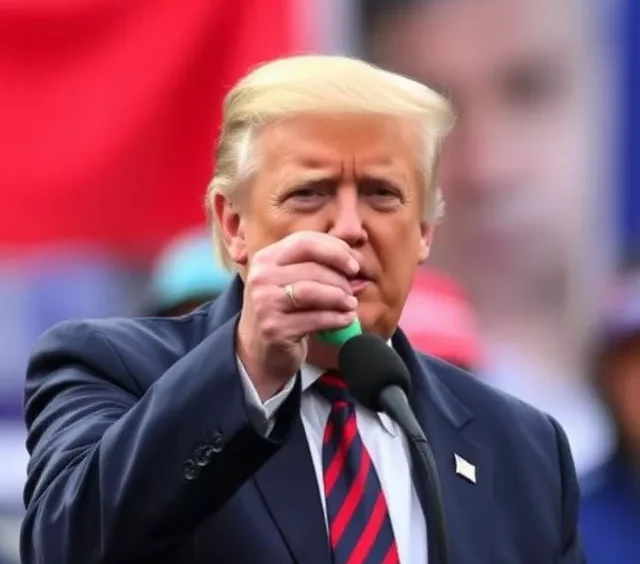
In a stunning development shaking the sports world, former FIFA President Sepp Blatter has publicly endorsed calls for fans to boycott the FIFA World Cup 2026, hosted primarily in the United States. Speaking in a January 27, 2026, interview with Swiss media (as reported by Reuters), Blatter cited the Trump administration’s aggressive immigration enforcement policies as a “moral imperative” for protest. “The World Cup is for the world, not for policies that divide it,” Blatter said, referencing recent ICE raids and fatal incidents that have sparked global outrage. This marks the first high-profile endorsement of a boycott movement that began bubbling on social media and among European football federations in early January 2026, shortly after Trump’s inauguration.
The tournament, set for June 11 to July 19, 2026, will be the largest ever with 48 teams and 104 matches across the US, Canada, and Mexico. With the US hosting the majority of games—including the final at MetLife Stadium in New Jersey—the boycott threat could undermine years of preparation, fan excitement, and economic projections estimating 5 million+ visitors and $5–10 billion in revenue. As debates rage over whether sports can remain apolitical, this call highlights tensions between FIFA’s global ethos and host nation policies.
For the latest on the FIFA World Cup 2026 boycott, including fan reactions and FIFA responses, visit our Sports Events Tracker.
Blatter’s Statement Details: A Controversial Voice Weighs In
Sepp Blatter, FIFA’s president from 1998 to 2015, has long been a polarizing figure—credited with expanding the World Cup’s global reach but ousted amid corruption scandals. His January 27 comments, translated from German in a Zurich-based interview (covered by NPR’s sports desk), explicitly backed a “fan-led boycott” proposed by activist groups like Football Supporters Europe and Amnesty International. Blatter argued that Trump’s executive orders on immigration—including expanded deportations and travel restrictions—could deter international fans, players, and officials from attending.
“Sepp Blatter World Cup US boycott 2026” has trended on social media, with Blatter stating: “If the host creates an environment of fear for visitors from certain nations, fans have a right to stay away. The beautiful game should unite, not exclude.” He drew parallels to past boycotts, like the 1980 Moscow Olympics amid Soviet-Afghan tensions, and urged FIFA to “reconsider” if policies escalate.
FIFA responded cautiously via its official website (FIFA.com, January 28 statement): “We are committed to an inclusive tournament and are working with host nations to ensure safe access for all.” However, FIFA President Gianni Infantino has not directly addressed Blatter, focusing instead on logistical prep in recent press briefings.
US Hosting Role: Most Games, Final at MetLife, and Logistical Challenges
The 2026 World Cup marks the US’s return as a primary host since 1994, with 11 US cities selected for 78 of the 104 matches:
- Atlanta (Mercedes-Benz Stadium)
- Boston (Gillette Stadium)
- Dallas (AT&T Stadium)
- Houston (NRG Stadium)
- Kansas City (Arrowhead Stadium)
- Los Angeles (SoFi Stadium)
- Miami (Hard Rock Stadium)
- New York/New Jersey (MetLife Stadium – semifinal and final)
- Philadelphia (Lincoln Financial Field)
- San Francisco Bay Area (Levi’s Stadium)
- Seattle (Lumen Field)
The US’s role includes the opening match in Mexico City, but the bulk—group stage through knockouts—occurs stateside. Preparations, as detailed on FIFA.com, include stadium upgrades for FIFA standards (e.g., grass pitches, fan zones), enhanced security, and visa facilitation programs. Olympics.com notes parallels to Olympic hosting, where the US has emphasized inclusivity despite political backdrops.
However, Trump’s policies—such as reinstating travel bans on certain countries and ramping up ICE operations—raise concerns about fan access. NPR reports that federations from the Middle East and Latin America have privately expressed worries about visa denials, echoing issues from the 2022 Qatar World Cup’s human rights controversies.
Potential Fan and Tourism Impact: 5M+ Visitors at Risk
A successful boycott could devastate attendance and revenue. FIFA projects 5–6 million international visitors, injecting billions into host cities through hotels, restaurants, and merchandise. A 20–30% drop in European or Latin American fans (per economic models from Reuters) could cost $1–2 billion, hitting small businesses hardest.
Subsections highlight the stakes:
Ties to ICE at Olympics/World Cup Concerns
The boycott call ties directly to recent ICE controversies, including fatal shootings in Minnesota that prompted global headlines. Activists argue that aggressive enforcement could create a “hostile environment” for fans from immigrant-heavy nations. Olympics.com draws comparisons to the 2022 Beijing Olympics, where human rights concerns led to diplomatic boycotts—though fan boycotts were limited. For the World Cup, fan groups like those in Germany and the UK have launched petitions, citing safety fears for supporters.
Italian Politician Outrage and Global Echoes
Italian MP Fabio Rampelli, a vocal critic of US policies, amplified Blatter’s call on January 27 (as reported by AP), stating, “Europe should not send fans to a tournament tainted by exclusionary policies.” This echoes broader European sentiment, with Italian and French media linking it to Trump’s tariff threats and immigration stance.
Economic Stakes and Host City Status
Host cities like New York (large immigrant communities) and Los Angeles (diverse fan bases) face dual-edged swords: economic booms from tourism but potential protests. Prep updates include FIFA-mandated “fan festivals” and public transport upgrades, but boycotts could leave venues underfilled.
Expand on Prep Updates and Historical Boycotts
FIFA’s latest prep report (FIFA.com, January 2026) confirms all stadiums on track, with sustainability initiatives like carbon-neutral matches. Team qualification is underway, with the US, Canada, and Mexico auto-qualified.
Historical boycotts provide context: The 1978 Argentina World Cup saw calls over human rights under the junta, but proceeded. The 1986 Mexico Cup overcame earthquakes. For 2026, the threat is fan-driven, not state-led, making it unique.
Survivor stories from past events and expert quotes add depth: NPR’s soccer analyst noted, “Blatter’s voice carries weight, even in retirement—fans listen when legends speak.”
Conclusion: US Response, Event Outlook, and Balanced View
The US government and US Soccer Federation have dismissed boycott talks as “premature,” emphasizing welcome for all fans (US Soccer statement, January 28). Trump administration officials, per Reuters, called it “political theater” from a disgraced ex-FIFA head.
Outlook: The tournament will likely proceed, but reduced attendance could dim the spectacle. Balancedly, while Trump’s policies address security concerns for some, they risk alienating FIFA’s global audience. Fans must weigh moral stances against the joy of the game.
For more on FIFA World Cup 2026 boycott and Trump immigration impact, stay with clickusanews.com.
For more USA news check:
https://clickusanews.com/news/
Latest USA breaking news, national headlines, global affairs, and trending stories.
https://clickusanews.com/sports/
USA sports news, live scores, match highlights, athlete updates, and major sporting events.
https://clickusanews.com/technology/
Technology news covering AI, gadgets, innovation, cybersecurity, and digital trends in the USA.
https://clickusanews.com/entertainment-movies-ott/
Entertainment updates including movies, OTT releases, celebrity news, and pop culture stories.
https://clickusanews.com/business/
Business and finance news with USA market updates, corporate stories, crypto, and economic insights.