


Trump Delays Iran Strikes to April 6 Amid Ongoing Talks

Trump Delays Iran Strikes to April 6 Amid Ongoing Talks
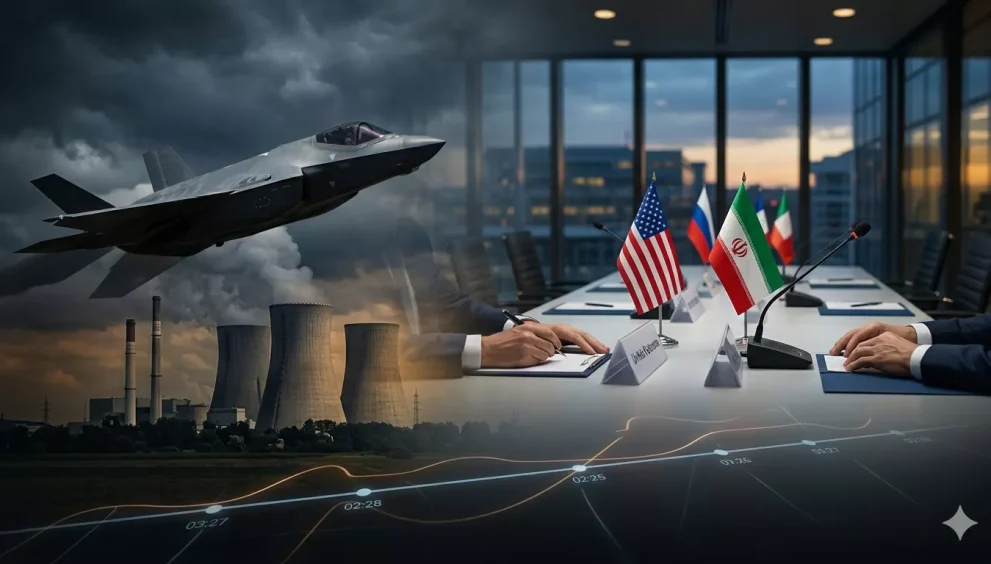
President Donald Trump announced on March 26 that he is extending the deadline for possible US military strikes on Iranian energy infrastructure and power plants by roughly 10 days, pushing the new cutoff to around April 6, 2026, at 8:00 PM Eastern Time.
The move comes as the Iran War 2026 enters a delicate phase of diplomacy mixed with continued military pressure. Trump stated the extension was made “as per Iranian Government request” to allow more time for negotiations, claiming that Tehran is showing eagerness to reach a deal and end the conflict.
In a post on Truth Social, the President wrote: “As per Iranian Government request, please let this statement serve to represent that I am pausing the period of Energy Plant destruction by 10 Days to Monday, April 6, 2026, at 8 P.M. Eastern Time.”
This latest extension follows an earlier pause of several days announced earlier in the week, reflecting a pattern of combining military threats with diplomatic openings.
Background: The Threat to Iran’s Power Plants
The original ultimatum stemmed from Iran’s disruption of shipping through the strategically vital Strait of Hormuz, a chokepoint responsible for a significant portion of global oil trade. Trump had previously warned that unless Iran fully reopened the Strait and ceased attacks on shipping, the United States would “obliterate” Iranian power plants and energy infrastructure.
The threat was designed to pressure Tehran into ending its blockade and returning to negotiations. With oil prices remaining elevated due to the conflict, the administration has emphasized the need to restore stability to global energy markets.
Iran Rejects Initial Ceasefire Terms but Signals Possible Talks
Iran has publicly rejected the initial US ceasefire proposal, which reportedly included a 15-point plan delivered through intermediaries. Iranian state media stated that Tehran would end the war only on its own terms, issuing counter-demands that include reparations for damages, guarantees against future attacks, an end to assassinations of Iranian officials, and lifting of sanctions.
Despite the public rejection, US officials and Trump himself have pointed to “positive signals” and indirect communications indicating that Iran may be open to further talks. Sources close to the negotiations suggest back-channel discussions are continuing, with both sides exploring possible off-ramps from escalation.
Iranian officials have denied direct high-level talks with the US while simultaneously allowing some tankers to pass through the Strait of Hormuz in recent days, a move interpreted by some analysts as a de-escalatory gesture aimed at easing economic pressure.
Continued Targeted Strikes and Israeli Action
Even as diplomatic efforts continue, military operations have not stopped.
US and Israeli forces have maintained targeted strikes on Iranian military assets, infrastructure, and associated facilities. On March 26, Israeli Defense Minister Israel Katz announced that an Israeli airstrike had killed Commodore Alireza Tangsiri, the commander of Iran’s Islamic Revolutionary Guard Corps (IRGC) Navy.
Israel described Tangsiri as the key figure behind efforts to block the Strait of Hormuz and disrupt international shipping. The strike, which also reportedly killed other senior naval commanders, is part of Israel’s broader campaign to degrade Iran’s naval capabilities and retaliate for attacks on Israeli targets.
The Pentagon has confirmed that US forces continue to support Israeli operations under the framework of Operation Epic Fury, with additional US troops and assets being positioned in the region.
Market Reactions and Global Implications
The announcement of the deadline extension triggered a positive reaction in financial markets. Oil prices eased slightly from recent highs, and Asian stock markets recovered some ground as investors bet on a possible diplomatic breakthrough.
However, analysts caution that the situation remains highly volatile. Any failure in the extended negotiations could lead to renewed escalation, including direct US strikes on Iranian energy sites — a move that could send oil prices surging well above $120 per barrel and trigger broader regional instability.
The conflict has already caused significant disruptions to global shipping, energy supplies, and supply chains, with ripple effects felt in higher fuel costs and inflation concerns worldwide.
What Happens Next?
The new deadline of April 6 gives negotiators additional time to bridge differences. Key issues on the table include reopening the Strait of Hormuz to unrestricted shipping, cessation of attacks by Iranian-backed groups, security guarantees, and potential sanctions relief.
President Trump has repeatedly stated that the United States prefers a negotiated settlement but remains prepared to use overwhelming force if necessary to protect American interests and global energy security.
ClickUSA News will continue to monitor developments closely, including any statements from the White House, Tehran, and Jerusalem, as well as the humanitarian and economic impacts of the ongoing war.
What do you think about Trump’s decision to extend the deadline? Will diplomacy succeed, or is further military action inevitable? Share your thoughts in the comments below.
For more USA news check:
https://clickusanews.com/news/
Latest USA breaking news, national headlines, global affairs, and trending stories.
https://clickusanews.com/sports/
USA sports news, live scores, match highlights, athlete updates, and major sporting events.
https://clickusanews.com/technology/
Technology news covering AI, gadgets, innovation, cybersecurity, and digital trends in the USA.
https://clickusanews.com/entertainment-movies-ott/
Entertainment updates including movies, OTT releases, celebrity news, and pop culture stories.
https://clickusanews.com/business/
Business and finance news with USA market updates, corporate stories, crypto, and economic insights