



Iran War Impact: Oil Shock Hits US Markets & Fed

Iran War Impact: Oil Shock Hits US Markets & Fed
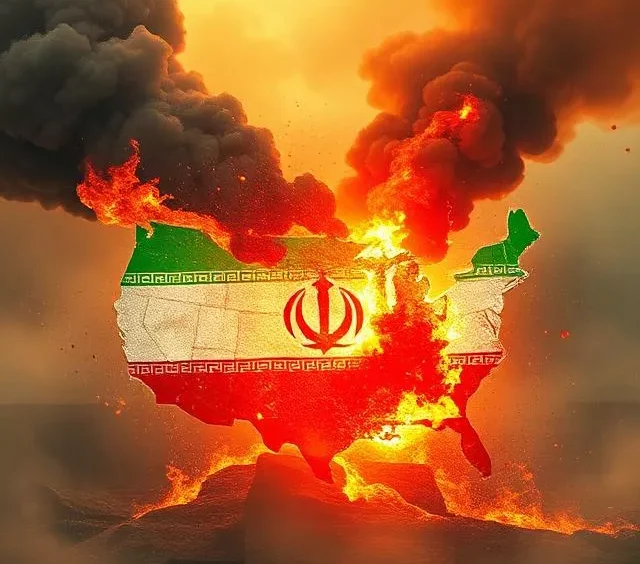
One month after the US-Israeli strikes on Iran began on February 28, 2026, American markets continue to feel the effects of the largest energy supply disruption in decades. The effective closure of the Strait of Hormuz — carrying about 20-25% of global seaborne oil and significant LNG — has pushed energy prices sharply higher, even as the US benefits from being the world’s top oil producer. Volatility remains elevated, with stocks under pressure, bonds selling off on inflation worries, and the Federal Reserve facing a classic stagflation-like challenge.
Energy Markets and Gasoline Prices
Oil prices have surged dramatically since the conflict started:
- Brent crude: Up over 40-55% from pre-war levels near $72, recently trading around $106-$115 per barrel, with intra-month spikes approaching $120.
- WTI crude: Hovering near $97-$101 per barrel, with peaks above $100.
US gasoline prices have climbed to around $3.88-$4.20 per gallon nationally (higher in California, nearing $5-6 in some areas), up nearly $0.80-$1.30 from late February. Diesel has also risen sharply. These increases stem from global supply fears, even though US domestic production provides a buffer compared to the 1970s oil crises. LNG and related energy costs have added further pressure.
The International Energy Agency and analysts note this as one of the biggest supply shocks on record, though releases from strategic reserves and some rerouting have moderated the worst-case scenarios.
Stock Markets Under Pressure
US equities have seen notable declines amid uncertainty and risk-off sentiment:
- The S&P 500 has fallen roughly 5-9% since late February, with multiple sessions of sharp drops (e.g., 1.7% on some days) and the longest losing streak in years for some indices. It briefly entered correction territory on Nasdaq.
- Dow Jones experienced days with 400-800 point swings, closing lower on several occasions.
- Nasdaq has been hit harder due to its growth/tech tilt, falling into correction at times amid broader selloffs.
Energy and defense stocks have outperformed (e.g., Exxon, Chevron, Lockheed), while cyclical, airline, and consumer discretionary names suffered from higher input costs and growth concerns. Partial rebounds occurred on ceasefire hopes or de-escalation signals from President Trump, but volatility persists. Overall, global stocks are down ~5.5%, with the US somewhat more resilient than Asia or Europe due to domestic energy strength.
Bonds, Dollar, and Safe Havens
- Treasury yields have risen (10-year around 4.3-4.4%) as higher oil feeds inflation expectations, reducing hopes for near-term rate cuts.
- The US dollar strengthened as a safe-haven, benefiting from risk aversion and petrodollar dynamics.
- Gold paradoxically declined 14-17% (trading well below earlier highs near $4,300-$4,500/oz) despite geopolitical tensions. Higher real yields and inflation-driven rate expectations outweighed traditional safe-haven buying.
Inflation and Economic Growth Outlook
The OECD warns US headline inflation could reach 4.2% in 2026 (up from ~2.6% expected pre-war), driven by energy pass-through to transport, goods, and broader costs. Goldman Sachs and others project added inflation of 0.2-0.5+ percentage points from sustained high oil.
- Growth risks: Wall Street firms like Goldman have raised recession odds to ~30% over the next year. Unemployment could edge toward 4.6%. Higher energy costs squeeze consumer spending and corporate margins, though the US economy’s resilience (strong domestic production, services tilt) limits the hit compared to import-heavy nations.
- Fed Response: The Federal Reserve held rates steady at 3.5-3.75% in March, signaling caution. Officials view the oil shock as largely supply-driven and potentially transitory if the war shortens, but persistent disruption could delay or reduce expected rate cuts. Chair Powell has emphasized monitoring inflation expectations closely. No immediate hikes are widely anticipated, but the “higher for longer” narrative has strengthened.
Sector and Broader Implications
- Winners: Energy producers, defense contractors, and certain commodities plays.
- Losers: Transportation (airlines, logistics), consumer discretionary, and rate-sensitive sectors.
- Households: Higher gas and heating costs reduce disposable income, potentially slowing retail and travel spending.
Outlook Depends on Duration:
- Short conflict/ceasefire: Oil could ease toward $70-90/bbl later in 2026; limited GDP drag, quicker market recovery.
- Prolonged fighting: Sustained $100+ oil, stickier inflation (potentially above 4%), slower growth, and higher recession risks.
Markets are pricing this primarily as an inflationary supply shock rather than a deep demand destruction event so far, but downside risks to growth are rising with each week of disruption.
For the latest US-focused analysis, stock updates, energy price trackers, and policy insights on how the Iran conflict affects American investors and consumers, www.clickusanews.com will keep you informed with timely, in-depth coverage. Stay ahead with sector deep-dives and expert commentary on navigating this volatile environment.
For more USA news check:
https://clickusanews.com/news/
Latest USA breaking news, national headlines, global affairs, and trending stories.
https://clickusanews.com/sports/
USA sports news, live scores, match highlights, athlete updates, and major sporting events.
https://clickusanews.com/technology/
Technology news covering AI, gadgets, innovation, cybersecurity, and digital trends in the USA.
https://clickusanews.com/entertainment-movies-ott/
Entertainment updates including movies, OTT releases, celebrity news, and pop culture stories.
https://clickusanews.com/business/
Business and finance news with USA market updates, corporate stories, crypto, and economic insights