


Trump Orders Hormuz Blockade After Iran Talks Fail

By Click USA News Desk | April 13, 2026
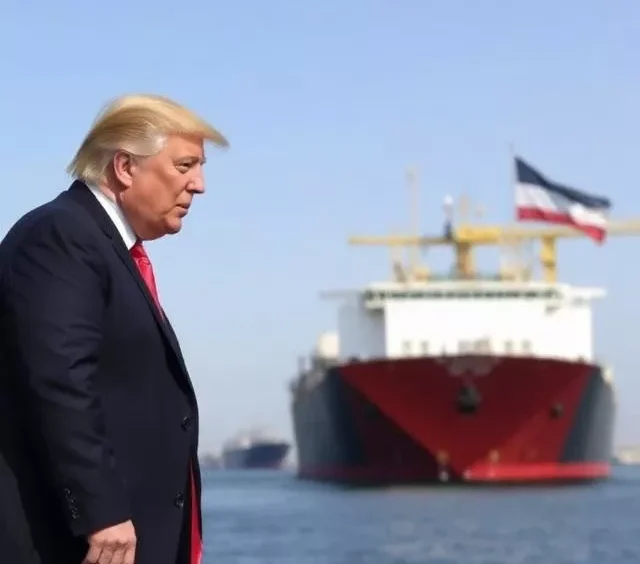
President Donald Trump has taken decisive action following the collapse of high-stakes U.S.-Iran peace negotiations in Islamabad, Pakistan. On Sunday, April 12, 2026, the President announced that the U.S. Navy will immediately begin a naval blockade of the Strait of Hormuz to prevent Iran from using this critical waterway as leverage.
“Effective immediately, the United States Navy — the Finest in the World — will begin the process of BLOCKADING any and all Ships trying to enter, or leave, the Strait of Hormuz,” Trump declared.
The move comes just hours after a marathon 21-hour negotiation session ended without agreement, leaving the fragile two-week ceasefire in serious doubt.
Background: How We Got Here – From Ceasefire to Collapse
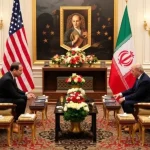
After more than six weeks of conflict that disrupted global shipping and spiked energy prices, the U.S. and Iran agreed to a temporary ceasefire earlier in April. Pakistan hosted direct talks in Islamabad’s Serena Hotel on April 11-12, with Vice President JD Vance leading the American delegation.
Negotiations stretched deep into the night but ultimately failed. U.S. officials said Iran refused to make verifiable commitments to abandon its nuclear weapons program and guarantee free passage through the Strait of Hormuz. Vice President Vance stated plainly that Iran had rejected America’s “final and best offer.”
President Trump responded swiftly, emphasizing that the United States will not allow Iran to continue restricting this vital chokepoint while American interests — and those of our allies — are threatened. U.S. Central Command (CENTCOM) confirmed the blockade targeting vessels entering or departing Iranian ports will begin at 10:00 a.m. Eastern Time on Monday, April 13, 2026.
Trump’s Firm Stance: “Locked and Loaded”
In his announcement, Trump made clear that the blockade is designed to increase pressure on Tehran and protect international shipping lanes from Iranian interference. He has repeatedly warned that U.S. forces remain fully prepared to act if Iran escalates further.
The President also issued a strong warning to China, cautioning Beijing against supplying advanced weapons or air defense systems to Iran, saying any such move would result in “big problems” for China — including potential heavy tariffs.
Direct Impact on Americans: Higher Gas Prices, Inflation Concerns, and Energy Security
While the United States is now a major energy producer thanks to years of domestic drilling, the global oil market is still tightly connected. The Strait of Hormuz carries roughly 20% of the world’s oil and a large share of liquefied natural gas (LNG). Any disruption sends shockwaves through fuel prices everywhere — including at American gas pumps.
Here’s what this means for everyday Americans:
- Gasoline Prices: Oil prices have already climbed near or above $100 per barrel amid the conflict. Analysts warn that a sustained blockade could push U.S. average gas prices higher in the coming weeks. Trump acknowledged that prices “may remain high” in the short term but stressed that strong American energy production will help buffer the impact compared to other nations.
- Diesel and Everyday Costs: Higher fuel costs ripple into trucking, shipping, and agriculture, potentially increasing prices for groceries, goods, and services. Families on fixed incomes and small businesses could feel the pinch first.
- Inflation and Economy: Energy costs are a major driver of inflation. Prolonged uncertainty could complicate the economic picture heading into the fall, though Trump has pointed to America’s record energy independence as a key strength that limits our vulnerability.
- National Security Angle: By enforcing freedom of navigation, the U.S. is protecting long-term energy stability for itself and its allies. A stronger negotiating position now could lead to a better long-term deal that ultimately lowers prices and reduces threats from Iran.
Trump has assured Americans that the U.S. strategic petroleum reserves and booming domestic production provide important safeguards. He also noted that alternative suppliers, including increased U.S. exports, can help offset global shortages.
What Happens Next?
The current ceasefire is scheduled to expire on April 22, 2026. Markets are watching closely for any Iranian retaliation or naval incidents in the region. International calls for restraint have already begun, but the Trump administration has made its red lines clear: no nuclear weapons for Iran and open shipping lanes.
Click USA News will continue to monitor the situation in real time, including updates on gas prices, military developments, and the latest statements from the White House and Pentagon.