


US-Iran Talks Collapse in Islamabad: What Happened

The high-stakes peace talks between the United States and Iran didn’t just fizzle out — they collapsed after a grueling 21-hour marathon in the Pakistani capital of Islamabad. What started as a rare chance for direct diplomacy ended with finger-pointing, hardened positions, and a clear message from the Trump administration: America will not compromise on its core security demands.
Here’s the full story — told step by step — of how historic negotiations turned into a diplomatic dead end.
Step 1: The Fragile Ceasefire That Set the Stage
After more than six weeks of intense conflict that shook the Middle East, disrupted global oil supplies, and raised fears of a wider war, the United States and Iran agreed to a two-week ceasefire on April 7-8, 2026. Pakistan played a key mediating role, with Prime Minister Shehbaz Sharif and Army Chief Field Marshal Asim Munir helping broker the pause in fighting.
The truce was meant to create breathing room for serious talks. But from the beginning, both sides had very different expectations. The U.S. wanted Iran to reopen the Strait of Hormuz to international shipping and make verifiable commitments to abandon its nuclear weapons ambitions. Iran, on the other hand, sought broader guarantees, including an end to regional hostilities and sanctions relief.
President Trump made it clear: this ceasefire was temporary, and America remained “locked and loaded” if Iran refused to meet reasonable terms.
Step 2: Arrival in Islamabad – Historic Face-to-Face Talks Begin
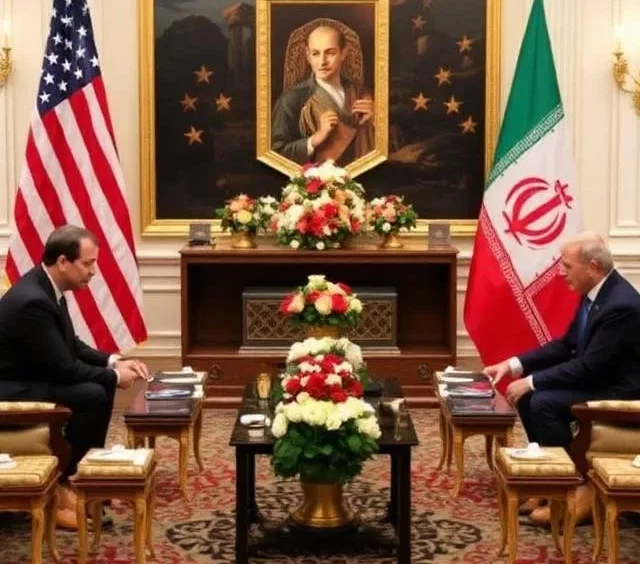
On Saturday, April 11, 2026, delegations from both nations gathered at the Serena Hotel in Islamabad for what many called the most significant direct U.S.-Iran engagement in decades — the first since the 1979 Islamic Revolution.
Leading the American side was Vice President JD Vance, supported by a high-level team. Iran sent senior officials, including Foreign Minister Abbas Araghchi and Parliament Speaker Mohammad Bagher Ghalibaf. Pakistani leaders hosted the sessions, shuttling between rooms and trying to keep momentum alive.
The atmosphere was tense but hopeful. For the first time in years, American and Iranian negotiators sat across the table without intermediaries. Discussions reportedly covered multiple issues: the Strait of Hormuz, Iran’s nuclear program, missile capabilities, and regional de-escalation (including Lebanon).
Step 3: The 21-Hour Marathon – Progress… Then Stalemate
Negotiations stretched deep into the night and early Sunday morning — a grueling 21-hour session with breaks for prayers, meals, and side consultations.
According to U.S. officials, real progress was made on several secondary issues. Both sides appeared flexible on some economic and humanitarian points. However, the core red lines never moved.
The United States insisted on a clear, verifiable commitment from Iran to halt its nuclear enrichment program and abandon any path to a nuclear weapon. Vice President Vance later described this as a “core goal” that could not be compromised.
Iran pushed back, accusing the U.S. of making “excessive demands” and “shifting goalposts.” Iranian officials claimed they were “inches away” from a memorandum of understanding but felt Washington was not acting in good faith. They also highlighted ongoing Israeli actions in Lebanon as a major obstacle.
As hours ticked by, exhaustion set in. No breakthrough emerged on the nuclear issue or full reopening of the Strait of Hormuz.
Step 4: The Collapse – Vance Delivers the Verdict
In the early hours of Sunday, April 12, Vice President Vance stepped out to face reporters. His message was direct and America-first:
“The bad news is that we have not reached an agreement. And I think that’s bad news for Iran much more than it’s bad news for the United States of America… They have chosen not to accept our terms.”
Vance emphasized that the U.S. had offered a “final and best offer” and shown flexibility, but Iran refused to budge on the fundamental issues of nuclear weapons and regional threats.
Iran responded sharply, stating the U.S. had “failed to earn our trust” and blaming American “maximalism.”
Step 5: Trump’s Strong Response from Washington
Back in the United States, President Donald Trump wasted no time reacting. He confirmed the talks had collapsed primarily because Iran was “unwilling to give up its nuclear ambitions.”
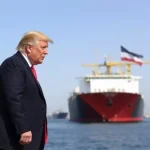
Trump warned that the U.S. military is fully prepared to act, stating forces are “locked and loaded” and ready to “finish up the little that is left of Iran” if necessary. He also announced plans for a naval blockade of the Strait of Hormuz, signaling that America will not allow Iran to continue using this critical chokepoint as leverage while global energy markets suffer.
The President added that oil prices may rise slightly in the short term, but America and its allies will prevail.
What This Means for America and the World
The collapse leaves the two-week ceasefire in doubt as its April 22 expiration date approaches. Markets are watching nervously, and global leaders are urging restraint.
From an American perspective, the outcome reinforces a clear principle: the United States will not reward bad behavior or accept half-measures on existential threats like nuclear proliferation. President Trump’s administration has shown willingness to talk — but only on terms that protect U.S. interests and the safety of its allies.
Pakistan has expressed hope that talks could resume, but for now, the ball is in Iran’s court.
Click USA News will continue to bring you real-time updates on this fast-moving story, including any developments on the Strait of Hormuz blockade, potential military options, and the broader impact on American energy prices and national security.