



Elon Musk Declares: “I’m the Largest Individual Taxpayer in History

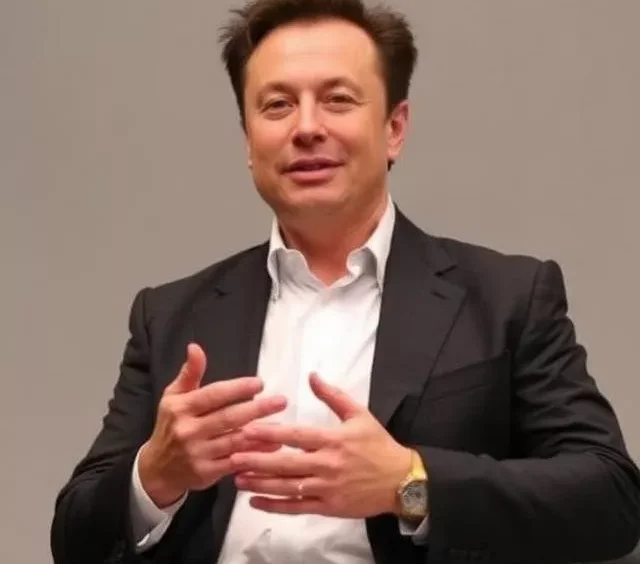
Elon Musk Declares: “I’m the Largest Individual Taxpayer in History
December 25, 2025 – In a bold statement echoing his previous claims, Elon Musk, the CEO of Tesla and SpaceX and currently the world’s richest individual, has once again asserted that he is the largest individual taxpayer in history, having paid over $10 billion in taxes. The comment, which has resurfaced amid ongoing political and economic debates, highlights Musk’s significant contributions to U.S. tax revenue while sparking renewed discussions about wealth, taxation, and fairness.
The quote — “I’m the largest individual taxpayer in history. I pay over $10 billion in tax.” — aligns closely with remarks Musk has made in recent years, including during his active support for political campaigns and in response to critics questioning his tax contributions.
The Origin of the $10+ Billion Claim
Musk’s assertion primarily stems from his massive 2021 tax bill, widely regarded as one of the largest — if not the largest — ever paid by an individual in U.S. history.
In late 2021, Musk exercised a substantial portion of long-term Tesla stock options granted in 2012 as part of his performance-based compensation package. These options allowed him to purchase millions of shares at a low strike price of approximately $6.24 per share. With Tesla’s stock price soaring to around $1,000 or more at the time, the difference between the market value and the exercise price created enormous taxable income — estimated at over $23 billion in ordinary income.
Experts and media outlets calculated Musk’s federal tax liability for that year at approximately $10.7 billion to $12 billion, depending on final sales and adjustments. Musk himself publicly stated he would pay over $11 billion in taxes for 2021, a figure supported by reports from CNBC, Bloomberg, ABC News, and others. To cover the withholding and obligations, Musk sold billions of dollars worth of Tesla stock throughout late 2021.
This single-year payment was described by many as unprecedented, especially given that previous years saw Musk paying relatively low amounts (for example, $455 million total from 2014–2018, with zero federal income tax in 2018, according to ProPublica’s IRS leaks analysis).
Cumulative Taxes and the “Over $10 Billion” Figure
While the 2021 bill forms the core of the claim, Musk has referenced over $10 billion in total taxes paid (likely cumulative or emphasizing the record scale). In various public statements, interviews, and social media posts from 2024 and 2025, he has reiterated being the largest individual taxpayer in history and joked about expecting a “trophy” from the IRS for his contributions — even a small, inexpensive one like those awarded in children’s karate competitions.
Musk has emphasized that he is “happy to pay” these taxes, viewing them as support for society, while countering accusations from critics (including prominent Democrats) that he and other billionaires avoid paying their “fair share.”
Context and Ongoing Debate
Musk’s tax situation remains a lightning rod in discussions about wealth inequality and the U.S. tax code:
- Pre-2021: Reports showed low or zero federal income taxes in certain years due to strategies like borrowing against assets (instead of selling) and realizing gains only when necessary.
- Corporate side: Interestingly, Tesla itself has reported zero federal income tax in multiple recent years (including 2024 on $2.3 billion in U.S. income), thanks to credits, net operating losses, and other provisions — a contrast often highlighted by tax fairness advocates.
- Broader picture: Musk’s wealth, now estimated in the hundreds of billions (primarily from Tesla and SpaceX stakes), continues to grow, but his 2021 payout remains a standout example of how mega-gains from stock appreciation can trigger enormous tax liabilities.
Critics argue the system still favors the ultra-wealthy through capital gains preferences and loopholes, while supporters point to Musk’s massive payments as proof that the rich contribute significantly when large realizations occur.
Why It Matters in 2025
As debates over tax policy, government spending, and billionaire influence continue — especially with Musk’s prominent role in public discourse — his claim underscores the scale of individual contributions possible under current laws. Whether viewed as a record-breaking act of civic duty or a consequence of extraordinary wealth creation, the over $10 billion figure cements Elon Musk’s place in tax history discussions.