
Iran war impact on Americans

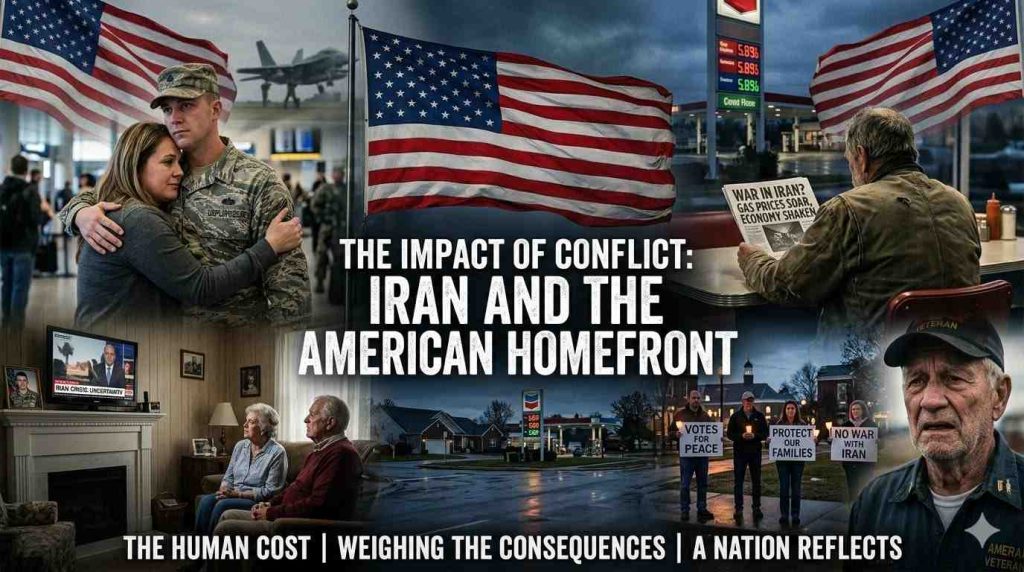
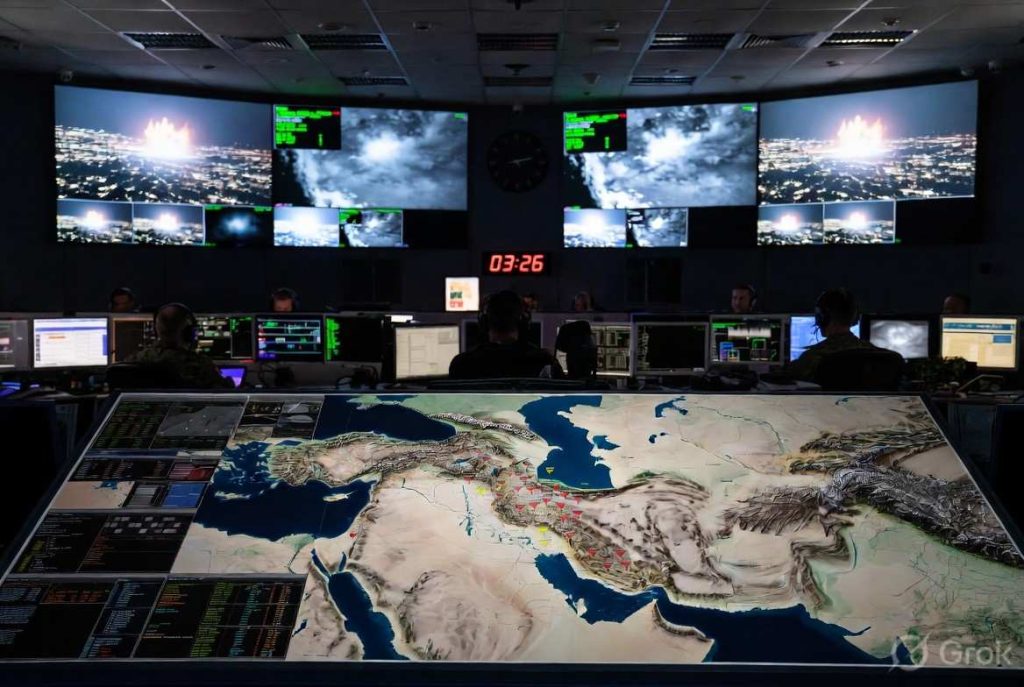
The ongoing US-Israel war with Iran, which began with surprise airstrikes on February 28, 2026, has already delivered tangible impacts on everyday Americans. While the conflict remains focused in the Middle East, its ripple effects—primarily through disrupted global energy markets—are hitting U.S. households hard. Here’s a breakdown of the key ways this war affects Americans, based on current economic analyses and reports.
Skyrocketing Gas and Energy Prices
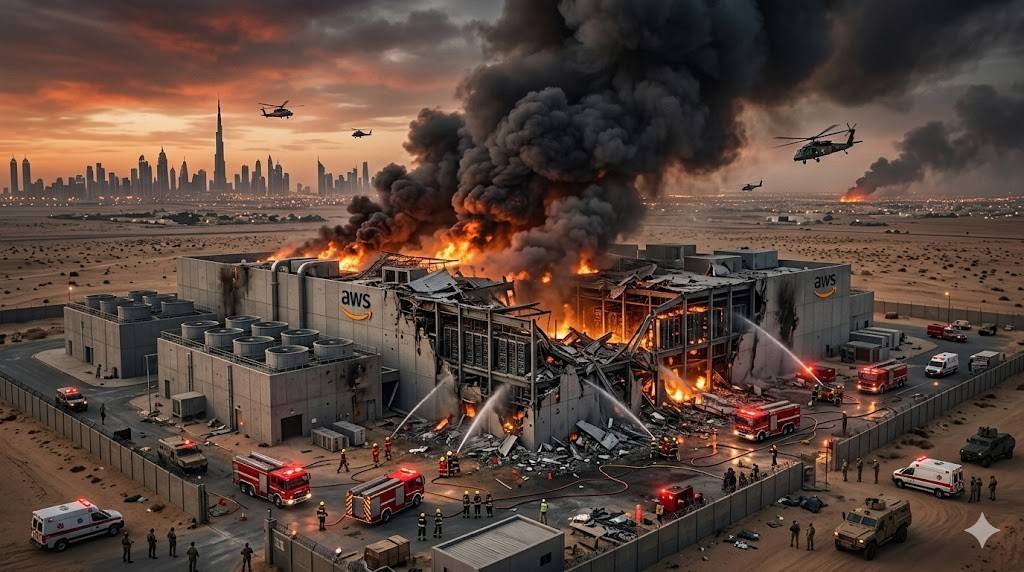
The most immediate and visible impact is at the pump. The conflict has disrupted oil flows through the Strait of Hormuz (a critical chokepoint for about 20% of global oil supply), leading to temporary closures, halted tanker traffic, and attacks on regional facilities.
- National average gasoline prices have surged to around $3.59–$3.64 per gallon (up 50–70 cents from pre-war levels in February 2026).
- Diesel prices have climbed even higher, often exceeding $4.50–$4.70 per gallon in many areas.
- Experts warn that prolonged disruptions could push prices toward $4–$5 per gallon or more if the Strait remains unstable.
Higher fuel costs translate to increased expenses for commuting, shipping goods, and utilities. This affects everything from grocery bills (due to higher transportation and fertilizer costs) to home heating and electricity in fossil fuel-dependent regions.
Broader Inflation and Cost-of-Living Pressures
Oil shocks feed into inflation across the economy:
- Analysts from sources like PBS, NBC News, and the Center for American Progress note risks of stagflation (stagnant growth + rising prices) if the war drags on.
- Food, consumer goods, and manufacturing costs rise as supply chains face higher energy and shipping expenses.
- Even though the U.S. is now a net energy exporter and somewhat insulated compared to other nations, American consumers still face higher prices for essentials.
This comes at a time when many households are already dealing with affordability challenges, potentially erasing gains from tax refunds or wage increases.
Military and Human Costs for American Families
Beyond economics, the war involves U.S. forces directly:
- American service members are at risk in ongoing strikes and potential escalations.
- Historical context shows Iran-backed attacks have caused U.S. casualties in the region over decades.
- Public opinion polls indicate low support for the conflict (often below 50%), with many Americans preferring focus on domestic issues.
If casualties mount or the war extends, this could strain military families and increase national security concerns.
Stock Market Volatility and Long-Term Economic Risks
Financial markets have seen turbulence:
- Stock declines and heightened volatility affect retirement accounts and investments.
- A prolonged conflict could slow growth, raise government debt from military spending, and complicate Federal Reserve decisions on interest rates.
While some sectors (like U.S. energy producers) may benefit from higher prices, the overall drag on consumer spending and confidence could tip the economy toward recession if unresolved.
The war’s duration remains uncertain—President Trump has described it as potentially lasting “four to five weeks,” but mixed signals suggest it could extend. For now, Americans are primarily feeling the pinch through higher energy costs, with broader effects depending on how quickly stability returns to global oil markets.
Stay informed on developments, as this situation evolves rapidly. For the latest updates, visit reliable sources and monitor gas price trackers like GasBuddy or AAA.