

Supreme Court Rules Against Mandatory LGBTQ+ Books in Schools, Upholding Parental Rights

Supreme Court Rules Against Mandatory LGBTQ+ Books in Schools, Upholding Parental Rights
Date: July 20, 2025
Author: Click USA News Staff
Category: Education, Politics
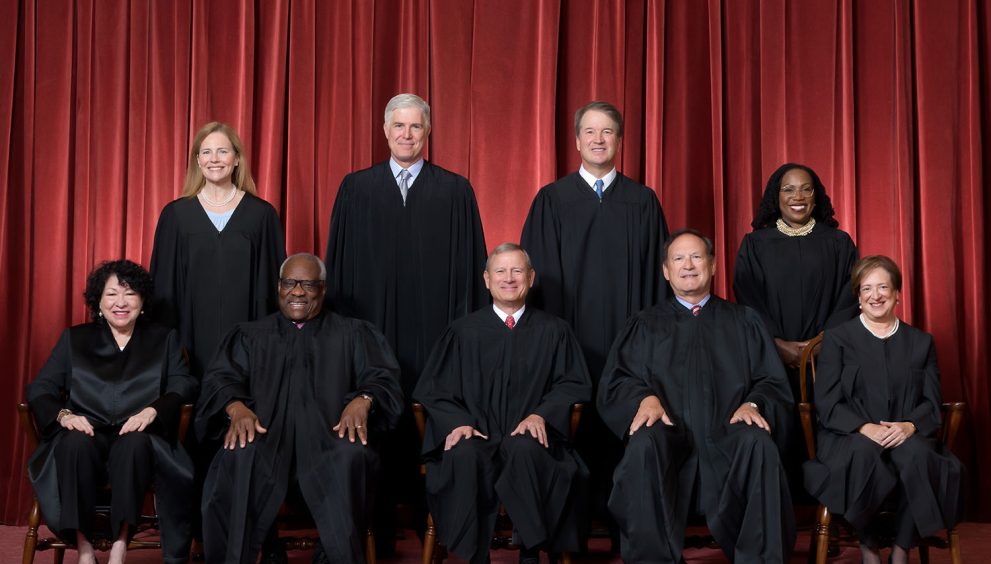
In a landmark 6-3 decision, the U.S. Supreme Court has ruled that parents in Montgomery County, Maryland, can opt their children out of public school lessons featuring LGBTQ+-themed storybooks, reinforcing parental rights and religious freedoms. The ruling in Mahmoud v. Taylor has sparked nationwide discussion, with supporters hailing it as a victory for common sense and critics warning of potential chaos in schools.
A Win for Parental Rights
The case, brought by a diverse group of Christian, Muslim, and Jewish parents, challenged the Montgomery County Board of Education’s policy of denying opt-outs for lessons involving books with themes of same-sex marriage and gender identity. Justice Samuel Alito, writing for the majority, stated that the policy “places an unconstitutional burden on the parents’ rights to the free exercise of their religion” under the First Amendment. The Court ordered schools to notify parents in advance and allow opt-outs when such materials are used.
The decision reverses lower court rulings and aligns with recent Supreme Court trends favoring religious rights. Parents argued that books like Uncle Bobby’s Wedding and Born Ready: The True Story of a Boy Named Penelope conflicted with their religious beliefs, and the Court agreed that forcing children to participate in these lessons could undermine their religious upbringing.
Reactions: Celebration and Concern
Supporters, including Education Secretary Linda McMahon and groups like Moms for Liberty, celebrated the ruling as a triumph for parental control over education. “Parents have the right to know what their children are learning and to opt out of divisive lessons that go against their values,” McMahon said. On X, users like @DeAngelisCorey echoed this sentiment, calling it a reaffirmation of parents’ rights to guide their children’s upbringing.
Critics, including the liberal dissenting justices—Sonia Sotomayor, Elena Kagan, and Ketanji Brown Jackson—argued that the ruling could disrupt public education. Justice Sotomayor warned that requiring opt-outs for any material conflicting with religious beliefs could lead to “chaos” in schools, citing potential demands to opt out of topics like evolution or women’s achievements. Authors of the LGBTQ+ books condemned the decision as “discriminatory,” claiming it threatens inclusive education and could marginalize LGBTQ+ students.
Implications for Schools Nationwide
The ruling does not ban LGBTQ+-themed books from schools but requires districts to accommodate religious objections through opt-outs, potentially setting a precedent for other curricula. Legal experts warn of increased administrative burdens as schools navigate opt-out requests for various subjects. Yale Law professor Justin Driver called it a “Pandora’s box” that could allow parents to veto specific lessons, challenging local control of education.
Montgomery County, one of the nation’s most religiously diverse school districts, initially removed opt-outs due to logistical challenges, such as managing absent students and planning alternative activities. The Court’s decision now mandates a return to notifying parents and allowing exemptions, pending further litigation.
What’s Next?
As the case returns to lower courts for a final ruling, schools nationwide may face similar challenges. The decision could embolden parents to demand opt-outs for other topics, from history to science, raising questions about balancing inclusivity with religious freedoms. For now, the ruling is a significant win for those prioritizing parental rights over what they see as ideological agendas in education.
Tags: #SCOTUS #ParentsRights #Education #LGBTQBooks #ReligiousFreedom #SupremeCourt
Stay Informed with Click USA News
Follow us for the latest updates on this story and other critical issues shaping America’s future. Share your thoughts in the comments below—should parents have the final say in what their kids learn in school?