



NASA and SpaceX Launch Sentinel-6B Satellite

NASA and SpaceX Launch Sentinel-6B Satellite
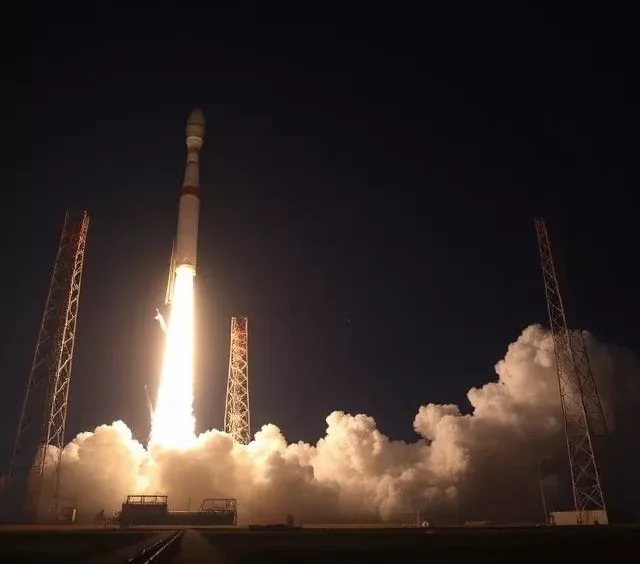
A dramatic nighttime liftoff from California lit up the sky as SpaceX’s Falcon 9 rocket successfully launched the Sentinel-6B satellite on November 17, 2025. This powerful mission, a joint effort between NASA and international partners, marks another major step forward in tracking rising sea levels and understanding climate change. With coastal communities increasingly at risk, Sentinel-6B’s cutting-edge technology will provide critical data to protect lives, improve weather forecasts, and guide global environmental policy.
Nighttime Launch Spectacle: SpaceX Delivers Again
Blasting off from Vandenberg Space Force Base at 9:21 p.m. PST on November 16 (12:21 a.m. EST on November 17), the Falcon 9 carried Sentinel-6B into orbit with flawless precision. The mission highlighted SpaceX’s unmatched reliability, featuring the 500th flight of a reused first-stage booster that landed safely shortly after separation.
The satellite—about the size of a small SUV—was deployed successfully, joining its identical twin, Sentinel-6 Michael Freilich, launched in 2020. Together, they form a vital duo watching over Earth’s oceans from 830 miles above.
“Sentinel-6B is now in orbit, continuing one of the longest and most important records of sea level rise from space,” NASA announced during the live stream. This international collaboration includes NASA, the European Space Agency (ESA), NOAA, EUMETSAT, and the European Commission.
Why This Satellite Matters for America’s Coasts and Beyond
Rising sea levels are no longer a distant threat—they’re flooding streets in Miami, eroding beaches in California, and threatening military bases along U.S. shorelines. Sentinel-6B measures ocean height with incredible accuracy (down to about an inch) across nearly the entire globe, while also tracking wave heights and wind speeds over water.
This data helps predict storm surges, improve hurricane forecasts, and support safer navigation for ships. For the first year, Sentinel-6B will fly alongside its predecessor to ensure perfect calibration before taking over as the primary satellite.
The mission extends a crucial climate record that began in 1992—one of the clearest indicators of how fast our planet is warming.
NASA-SpaceX Partnership Driving Climate Solutions
The successful launch showcases how NASA and SpaceX are working together to tackle real-world challenges here on Earth. SpaceX’s reusable rockets have dramatically lowered costs, allowing more frequent and affordable deployments of vital environmental satellites.
In 2025 alone, this partnership has launched multiple missions focused on monitoring oceans, atmosphere, and climate patterns. Advanced instruments and data analysis are transforming satellite information into practical tools for disaster preparedness, urban planning, and sustainable development.
As NASA officials have stated, precise ocean data is essential for protecting coastal communities and managing resources in a changing world.
Looking Ahead: Stronger Tools to Combat Climate Change
With Sentinel-6B now collecting data, scientists and policymakers gain sharper insights into sea level rise and extreme weather trends. This mission isn’t just about observation—it’s about action: better flood warnings, smarter infrastructure decisions, and more effective responses to climate impacts.
The ongoing NASA-SpaceX collaboration proves that American innovation in space can deliver real benefits back home, helping safeguard our coasts and environment for generations to come.