



SpaceX Sets New Launch Record in 2025 With 163

SpaceX Sets New Launch Record in 2025 With 163
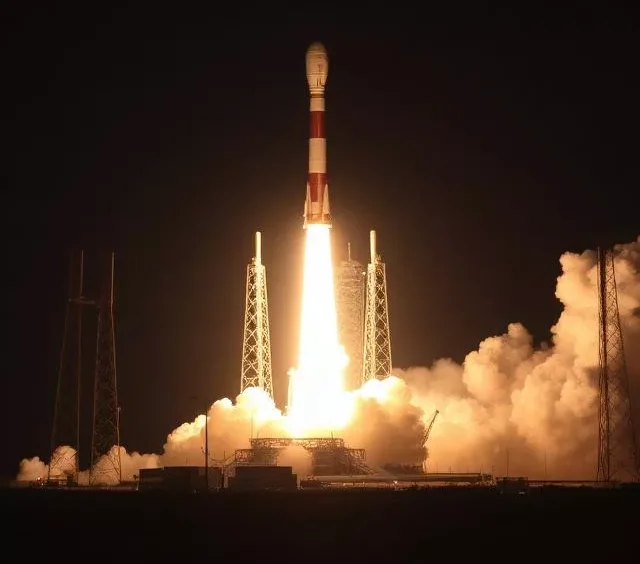
SpaceX has solidified its position as the undisputed leader in orbital launches in 2025, completing over 163 Falcon 9 missions as of mid-December—shattering its own annual records for the sixth consecutive year. This unprecedented cadence, driven primarily by Starlink constellation deployments, accounts for more than half of global orbital launches and over 80% of satellites placed in orbit this year. With reusability at its core, SpaceX continues to drive down costs, enhance sustainability, and outpace emerging competitors.
As the company eyes 170-180 total launches by year’s end, here’s a deep dive into SpaceX 2025 launch dominance, record-breaking booster turnarounds, global competition, and the roadmap ahead with Starship.
Orbital Launch Dominance: SpaceX’s 2025 Statistics
SpaceX’s Falcon family achieved 163 launches in 2025 (all Falcon 9, no Falcon Heavy), marking a new annual record. Key highlights:
- 100 launches from Florida alone, including frequent Starlink missions from Cape Canaveral and Kennedy Space Center.
- Over 550 successful booster landings, with boosters routinely flying 20-30+ times (one reached a record 32 flights).
- Starlink deployments dominated, adding thousands of satellites to the now 9,300+ strong constellation.
- Global impact: SpaceX handled ~60-82% of worldwide satellite mass to orbit and over half of all orbital attempts.
In a year with ~300 global orbital launches, SpaceX’s volume dwarfs the rest of the world combined, fueled by rapid reuse and internal demand from Starlink.
Record-Breaking Turnarounds and Reusability Milestones
Reusability remains SpaceX’s game-changer, slashing costs and enabling high-frequency launches:
- Fastest booster turnaround: Just over 9 days (B1088 in March 2025).
- Fleet leaders: Boosters exceeding 30 flights, with approvals pushing toward 40 reuses.
- Droneship recoveries: Routine operations on vessels like Of Course I Still Love You, supporting back-to-back coastal launches.
These efficiencies have reduced per-launch costs dramatically, making space access affordable and sustainable—thousands of tons of hardware reused instead of discarded.
Competition Heating Up: Emerging Players in 2025
While SpaceX dominates, rivals are gaining ground:
- China: Strong second with consistent Long March launches, focusing on national constellations.
- United Launch Alliance (ULA): Vulcan Centaur certifications and Amazon Kuiper deployments.
- Blue Origin: New Glenn’s maiden flights, aiming for reusable heavy-lift competition.
- Rocket Lab: Steady Electron cadence and Neutron development for medium-lift.
Despite progress, no competitor matches SpaceX’s reuse reliability or launch rate yet.
What’s Next: Starship and the Fully Reusable Future
SpaceX is transitioning focus to Starship, the super-heavy reusable rocket designed for Mars and beyond:
- 2026 goals: Fully reusable Version 3 flights, carrying 100+ tons to orbit.
- Milestones: Booster catches, ship reentries, and potential uncrewed Mars missions.
- Long-term: Dramatically lower costs (potentially <$30/kg with high reuse), enabling mega-constellations, lunar bases, and interplanetary travel.
As Falcon 9 peaks, Starship promises to redefine spaceflight in the coming years.
SpaceX’s 2025 achievements highlight the reusability revolution’s impact on space launch costs 2025, orbital access, and global connectivity. Stay tuned for more records as the year closes.