



HHS Exposes Shocking Hospital Errors in Organ Donation, RFK Jr. Leads Bold Reforms

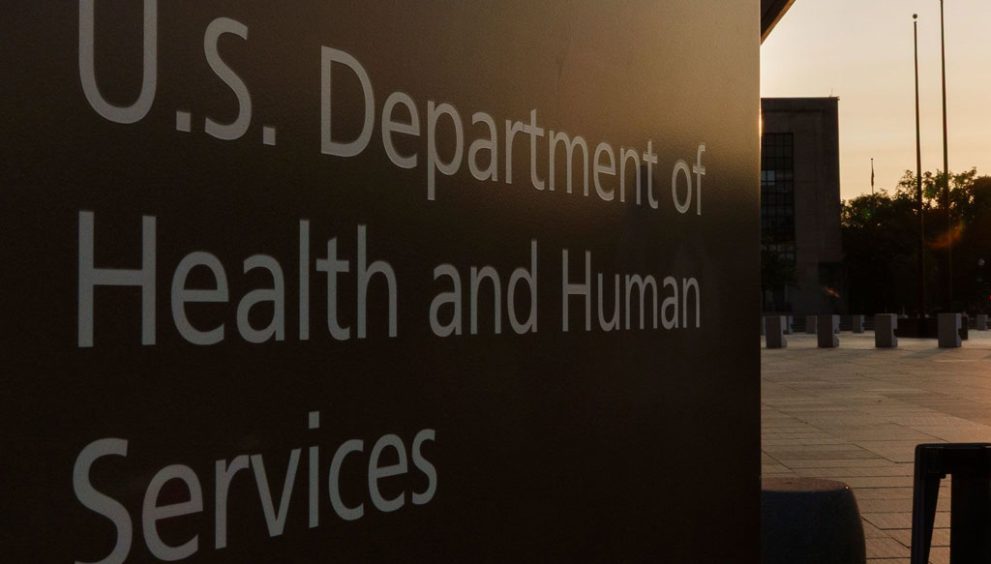
July 23, 2025 – The U.S. Department of Health and Human Services (HHS), under Secretary Robert F. Kennedy Jr., has launched a sweeping reform of the nation’s organ transplant system after a disturbing investigation revealed hospitals began organ procurement on patients who were still alive. The findings have sparked outrage and prompted urgent changes to restore trust, enhance oversight, and protect lives in the organ donation process. Here’s the full story and what it means for Americans.
Alarming Findings in Organ Procurement
An HHS investigation, led by the Health Resources and Services Administration (HRSA), exposed critical flaws in organ donation practices, particularly within a federally funded organ procurement organization (OPO) now part of the Network for Hope, serving Kentucky, parts of Ohio, and West Virginia. The probe examined 351 incomplete organ donation cases, finding that 103 cases (29.3%) had “concerning features.” Shockingly, 73 patients showed neurological signs inconsistent with organ donation, and at least 28 patients may not have been deceased when procurement began, raising serious ethical and legal questions.
Key issues uncovered include:
- Inadequate Assessments: Some hospitals misjudged patients’ conditions, overlooking signs of life like reflexes or brain activity.
- Poor Coordination: Lack of communication between OPOs and medical teams led to premature organ retrieval attempts.
- Consent Failures: Families were not always fully informed, eroding trust in the process.
- Misreported Deaths: Inaccurate reporting, especially in overdose cases, clouded donor eligibility.
These lapses were most severe in smaller, rural hospitals, exposing systemic weaknesses in oversight and accountability.
High-Profile Cases Spark Outrage
The investigation was triggered by chilling incidents, including a Kentucky man nearly subjected to organ harvesting while still alive and a 2024 case in Alabama where a 42-year-old woman’s chest was cut open prematurely during an organ retrieval attempt. Reports from 55 medical workers across 19 states further highlighted troubling practices in donation after circulatory death (DCD), which now accounts for nearly half of organ donations. Unlike brain-dead donations, DCD involves withdrawing life support, but failures to observe the mandatory five-minute wait after circulatory death have led to ethical breaches.
RFK Jr. Drives Sweeping Reforms
On July 21, 2025, HHS Secretary Robert F. Kennedy Jr. announced bold reforms, calling the findings “unacceptable” and vowing to hold OPOs accountable. The initiative focuses on transparency, safety, and respect for life. Key measures include:
- Enhanced Safety Protocols: The Organ Procurement and Transplantation Network (OPTN) must allow any staff member—hospital, OPO, or family—to stop the donation process if safety concerns arise.
- Mandatory Reporting: All safety-related halts must be reported to regulators for transparency.
- Clear Policies: OPOs must define strict donor eligibility criteria and analyze protocol failures, including non-compliance with the five-minute rule.
- Independent Oversight: HRSA demands a thorough, external review of OPO practices, rejecting the OPTN Board’s prior claim of no significant issues.
The Network for Hope faces potential decertification if it fails to submit a corrective action plan by July’s end, signaling a zero-tolerance approach to non-compliance.
The Bigger Picture: A Strained System
With 170 million Americans registered as organ donors as of 2022, and 103,000 people on the transplant waiting list, the system is under immense pressure. About 13 people die daily awaiting transplants, driving demand that has sometimes led to rushed decisions. The shift to DCD donations has amplified risks, as protocols are less standardized than for brain-dead donors.
The issue has drawn bipartisan scrutiny. A July 22, 2025, House subcommittee hearing examined these lapses, with lawmakers pushing for stronger safeguards to rebuild public confidence. The Trump administration, with Kennedy at the helm, is prioritizing systemic fixes to address decades-old inefficiencies.
Organ Donation Community Responds
The Network for Hope insists it complies with CMS regulations and is cooperating with HHS. The Association of Organ Procurement Organizations has pledged to improve standards but faces pressure to act swiftly. Experts like Robert Montgomery, M.D., of NYU Langone, stress the need for strict adherence to protocols, while Robert Cannon of the University of Alabama notes that misinterpreting reflexes in DCD cases can erode trust if not properly communicated.
What This Means for Americans
These reforms will impact healthcare nationwide. Enhanced oversight may increase costs but aims to prevent tragic errors, ensuring donors and families are treated with respect. For Americans on transplant waiting lists, the changes could improve access to safe, ethical organ donations. However, public trust may take time to rebuild, especially after such alarming revelations.
The reforms align with Kennedy’s broader healthcare vision, emphasizing transparency and patient-centered care. His leadership, combined with the administration’s push for accountability, signals a new era for U.S. healthcare policy.
Looking Forward: Rebuilding Confidence
HHS’s reforms aim to ensure no patient’s life is compromised in the organ donation process. By strengthening protocols and oversight, the agency seeks to protect the integrity of a system that saves thousands of lives annually. As the July deadline for OPO compliance looms, the nation awaits tangible progress.
Stay informed with ClickUSANews.com for updates on HHS reforms, healthcare policy, and their impact on American families.