
Synthetic Media Countdown 2025: When AI Stars Outshone Humans

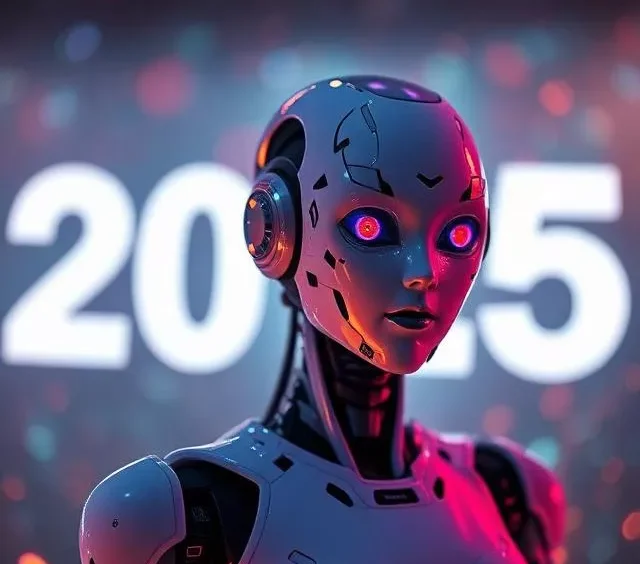
Synthetic Media Countdown 2025: When AI Stars Outshone Humans
Synthetic media trends 2025: AI influencers gain 100M+ followers, virtual celebrities earn millions in deals, ethical backlash sparks regulations, reality fatigue drives escape to digital personas
It’s December 28, 2025, and the line between real and synthetic has officially vanished. Just days ago, Lil Miquela—now fully AI-evolved—closed a $12 million brand campaign with a luxury fashion house, while newcomer Aitana López hit 500,000 Instagram followers in months, reportedly earning $11,000 monthly. Deepfake scandals made headlines, but so did record engagement rates for virtual creators—often double human influencers.
Here’s what most people get wrong: They think synthetic media is just deepfakes and scams. The number that actually matters is engagement—AI-generated personas consistently outperform humans in interaction rates, brand safety, and 24/7 availability. What this means in plain English: 2025 wasn’t the year AI imitated humans; it was the year AI became preferable for millions of followers and marketers.
In this countdown, we rank the four defining synthetic media trends of 2025 that reshaped entertainment, marketing, and culture.
#4: Reality Fatigue Fuels the Rise of Perfect Digital Worlds
Audiences Crave Flawless, Always-On Escapism
Burned out on real-world chaos—politics, scandals, aging—users flocked to synthetic creators who never cancel, never age, never misstep.
Surprising fact: A Q4 2025 Meta internal study (leaked via industry reports) showed users spending 40% more time with AI-generated content than human posts on Reels and TikTok.
Examples: Virtual K-pop groups like PLAVE and aeternity dominated charts; fans formed parasocial bonds deeper than with real idols.
Rhetorical question: When real celebrities face constant scrutiny, why not choose ones engineered for perfection?
Balanced view: Critics called it “escapism addiction”—but platforms reported higher retention and lower toxicity in synthetic communities.
#3: Ethical Backlash and the Push for Regulation
Deepfakes, Consent, and Identity Theft Spark Global Outcry
High-profile incidents—a deepfake political ad, non-consensual synthetic adult content, voice cloning scams—triggered demands for accountability.
Surprising stat: Over 30 countries introduced or passed synthetic media laws in 2025; EU AI Act amendments specifically targeted “high-risk” generative personas.
Examples: California’s AB 2602 expanded right-of-publicity to digital likeness; platforms like Instagram rolled out “AI-generated” watermarks and disclosure mandates.
Contrarian: Creators argued regulation stifles innovation—but public trust surveys showed 68% support for labeling (Pew-like Q4 2025).
By 2026 expect: Global disclosure standards, consent frameworks for training data.
#2: Virtual Celebrities Earning Millions in Real Money
Brands Pay Premium for Risk-Free, Always-Available Stars
Synthetic influencers signed major deals with Gucci, Calvin Klein, Coca-Cola—commanding rates rivaling mid-tier humans but with zero scandal risk.
Surprising fact: Spain’s Aitana López reportedly earned over €10,000 monthly; Kyra (India’s first virtual influencer) hit multimillion brand portfolios.
Examples: Lil Miquela’s evolution into music (AI-composed tracks charting); Imma (Japan) fronting IKEA campaigns.
What this means: ROI became undeniable—predictable messaging, infinite scalability, no paparazzi drama.
Rhetorical question: Why pay a human $5M when a virtual one delivers higher engagement at half the cost?
#1: AI-Generated Influencers Dominate Social Feeds
From Niche to Mainstream—100M+ Combined Followers
Virtual humans exploded across TikTok, Instagram, YouTube—often disclosed, sometimes not.
Surprising stat: Top 10 synthetic influencers collectively surpassed 150 million followers by year-end; engagement rates averaged 8-12% vs. 1-3% for humans (Influencer Marketing Hub 2025).
Examples: Shudu (world’s first digital supermodel) evolved into full personality; new entrants like Laila (Middle East-focused) gained millions overnight.
What this means: Algorithms favored consistent, optimized content—AI creators posted perfectly timed, perfectly branded.
Contrarian: Some called it “soulless”—but fans defended emotional connections, citing relatability and positivity.
Future Outlook: Where Synthetic Media Heads in 2026
By 2026: Fully interactive AI companions (voice, AR meetups); virtual concerts rivaling real tours; regulated but thriving creator economy.
Actionable takeaways:
- Brands: Test synthetic partnerships—higher ROI, lower risk.
- Creators: Collaborate, not compete—hybrid human-AI content wins.
- Platforms: Enforce disclosure—trust preserves growth.
- Regulators: Balance innovation with consent—overreach kills progress.
- Audiences: Enjoy the fantasy—but verify reality when needed.
2025 proved synthetic isn’t fake—it’s the new authentic. The stars of tomorrow? Coded, not born.
FAQ
What are synthetic media influencers? AI-generated digital personas with social accounts, personalities, and brand deals.
How much do virtual influencers earn? Top ones: $10K–millions monthly via sponsorships.
Are AI influencers disclosed? Increasingly yes—due to 2025 regulations and platform rules.
Biggest virtual celebrity 2025? Lil Miquela, Aitana López, Kyra led earnings/followers.
Ethical issues with synthetic media? Consent, deepfakes, identity theft—sparked global laws.
Why higher engagement? Perfection, consistency, algorithm optimization.
Reality fatigue meaning? Audience preference for flawless digital escapism.
Virtual influencers replacing humans? Complementing—hybrid models rising.
Regulations 2025? 30+ countries; disclosure, watermarking mandates.
Synthetic media future? Interactive AR/VR companions by 2026-2027.