



Massive Northern Lights Display: Auroras Visible Across US and Europe

Massive Northern Lights Display: Auroras Visible Across US and Europe
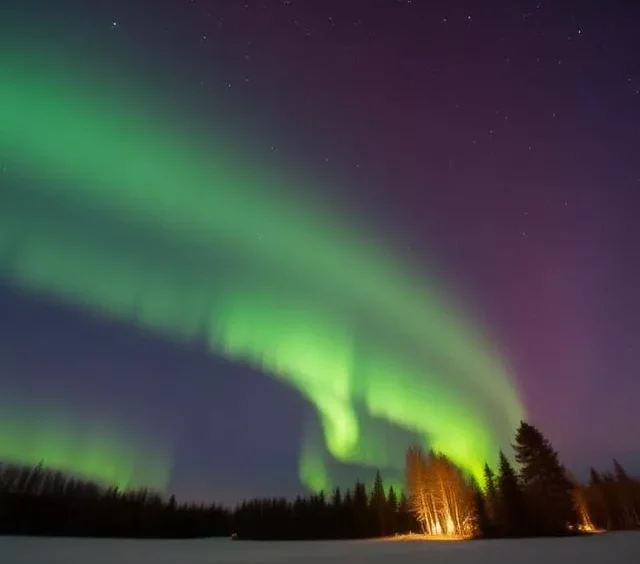
A powerful geomagnetic storm has triggered one of the most widespread aurora displays in recent years. Following a severe G4-level storm that began on January 19, 2026, the Northern Lights (aurora borealis) have been spotted across large parts of Europe and are expected to light up skies in much of the United States tonight. This event, driven by a major coronal mass ejection (CME), ranks among the strongest solar radiation storms in over 20 years. While not guaranteed to be visible everywhere due to weather and exact storm intensity, conditions remain favorable for impressive sightings in northern and even some central regions.
What’s Driving This Spectacular Aurora Event?
The aurora occurs when charged solar particles interact with Earth’s atmosphere, exciting gases to produce glowing lights in greens, purples, reds, and blues. This display stems from a fast-moving CME that arrived earlier than anticipated, pushing geomagnetic activity to G4 (severe) levels. NOAA’s Space Weather Prediction Center reports ongoing storm conditions, with potential for continued high activity into January 20. Solar radiation storm levels reached S4 (severe), the highest in decades, amplifying the aurora’s reach far south of typical zones.
Where Can You See the Northern Lights Tonight?
Visibility depends on clear skies, darkness, and your location relative to the auroral oval. Forecasts indicate broad potential:
- United States: Expect sightings across northern and central states, including Alaska, the Pacific Northwest, Great Lakes region (Minnesota, Michigan, Wisconsin), Northeast (New York, Maine), and possibly as far south as Alabama, northern California, Kansas, Texas, and Colorado. Best chances in northern states; southern views may appear low on the northern horizon.
- Europe: Widespread reports already from Scandinavia, the UK (Scotland, Northern Ireland, northern England), Germany, Switzerland, Ukraine, Hungary, and even parts of France. Activity extended unusually far south, including the Alps region.
Prime viewing time: Between 10 p.m. and 2 a.m. local time, though displays can occur from dusk to dawn. Monitor real-time updates via NOAA’s Aurora Dashboard or SpaceWeatherLive for the latest Kp index and oval predictions.
| Region | Expected Visibility Level | Best Viewing Window (Local Time) |
|---|---|---|
| Northern US (e.g., MN, MI, AK) | High – Possible overhead | 10 p.m. – 2 a.m. |
| Central/Southern US (e.g., AL, CA, TX) | Lower on horizon – If storm peaks | After dark, face north |
| Northern Europe (e.g., Scandinavia, UK) | High | 10 p.m. – 2 a.m. |
| Central Europe (e.g., Germany, Hungary) | Moderate to high | Evening to early morning |
How to View the Northern Lights Safely: Prevention and Tips
While aurora viewing is generally safe, cold January nights and remote locations require precautions:
- Dress for Extreme Cold: Wear multiple layers, including thermal base layers, insulated jacket, waterproof pants, thick socks, gloves, hat, and scarf. Hypothermia is a real risk in sub-zero temperatures.
- Choose Safe Locations: Stick to well-known spots or go with a group/guide. Avoid isolated areas alone, especially at night. Inform someone of your plans and expected return time.
- Light Pollution and Terrain Awareness: Drive to dark sites away from cities, but stay on marked roads. Use a flashlight or headlamp to navigate uneven ground and prevent trips/falls.
- Vehicle and Weather Prep: Check road conditions; carry blankets, warm drinks, snacks, phone charger, and emergency kit in your car. Avoid driving in poor visibility.
- Health Considerations: If you have mobility issues or health conditions affected by cold, view from indoors (e.g., through a window) or in a vehicle. Stay hydrated and take breaks to warm up.
- Technology Disruptions: The storm may cause minor GPS inaccuracies, satellite communication issues, or radio blackouts. Rely on offline maps if needed; widespread public impacts are unlikely.
Follow these steps to enjoy the show responsibly and minimize risks.
Northern Lights FAQs
Q: What causes the Northern Lights? A: Solar particles collide with Earth’s atmosphere after being released during solar flares or CMEs, exciting oxygen (green/red) and nitrogen (purple/blue) to create the glow.
Q: Can the aurora be seen during the day? A: No, it requires darkness. Best viewing is nighttime, ideally around midnight.
Q: Why are colors different? A: Greens are most common (from oxygen at lower altitudes); reds/purples appear at higher altitudes or during stronger storms.
Q: How do I photograph them? A: Use a tripod, long exposure (5–30 seconds), wide aperture, and high ISO on your camera/phone. Night mode on smartphones often works well.
Q: Will this storm affect technology? A: Possible minor effects include GPS errors, satellite disruptions, HF radio issues, or power grid fluctuations in extreme cases. No major widespread outages expected for the public.
Q: How long do displays last? A: From minutes to hours; activity can wax and wane. Patience is key!
Q: Is this event rare? A: Yes—G4 storms with such southern reach are uncommon, similar to major events in 2003 or recent solar maximum peaks.
For more USA news check:
https://clickusanews.com/news/
Latest USA breaking news, national headlines, global affairs, and trending stories.
https://clickusanews.com/sports/
USA sports news, live scores, match highlights, athlete updates, and major sporting events.
https://clickusanews.com/technology/
Technology news covering AI, gadgets, innovation, cybersecurity, and digital trends in the USA.
https://clickusanews.com/entertainment-movies-ott/
Entertainment updates including movies, OTT releases, celebrity news, and pop culture stories.
https://clickusanews.com/business/
Business and finance news with USA market updates, corporate stories, crypto, and economic insights.