



US Shutdown 2026: Latest Impacts & Updates

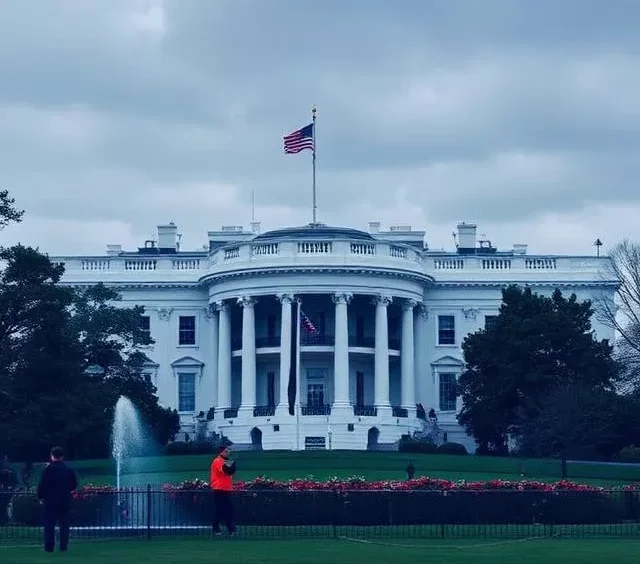
US Shutdown 2026: Latest Impacts & Updates
By ClickUSA News Staff | February 17, 2026
Imagine waking up to find airport security lines longer than usual, disaster response teams working without pay guarantees, and border agents continuing high-stakes duties—all while wondering if your paycheck or benefits are safe. That’s the reality for hundreds of thousands of Americans right now as a partial government shutdown enters its fourth day, focused squarely on the Department of Homeland Security (DHS). This isn’t a full government closure like those in years past; it’s targeted, but its ripple effects touch everyday life from travel to national security.
As Congress remains in recess until February 23 with no breakthrough in sight, the standoff over immigration oversight and funding for DHS agencies drags on. President Donald Trump’s administration and Democratic lawmakers are locked in a bitter dispute sparked by recent incidents involving federal immigration enforcement. Here’s the latest on the US partial government shutdown February 2026, who it affects, why it happened, and what comes next.
The Spark: Immigration Oversight and Recent Incidents
The roots trace back to late January and early February 2026. A surge in federal immigration agents—part of intensified enforcement—led to tragic outcomes, including the fatal shootings of American citizens Renee Good and Alex Pretti in Minneapolis by Customs and Border Protection (CBP) agents. These events ignited outrage and calls for reform.
Democrats in Congress demanded greater oversight: bans on masked agents during operations, independent reviews of use-of-force incidents, and limits on certain tactics. Republicans, aligned with the Trump White House, pushed back, arguing such measures would hinder border security and immigration enforcement priorities.
Funding for most federal agencies was extended through September 2026 earlier this year, but DHS funding lapsed on February 13 after short-term measures expired. When midnight struck on February 14, the partial shutdown began—marking the second DHS-focused lapse in 2026 (a brief four-day full shutdown ended February 3).
President Trump has been vocal, calling Democratic demands “crazy” and noncommittal on compromise. In recent statements, he emphasized that essential operations continue, but critics warn prolonged uncertainty risks morale and effectiveness.
Current Status: What’s Open, What’s Not
This shutdown is limited to DHS, so most federal functions run normally. Social Security payments, IRS operations (outside DHS overlap), and agencies like Defense, Veterans Affairs, and Agriculture continue uninterrupted.
Key impacted areas include:
- Transportation Security Administration (TSA): Airport screening persists with essential personnel (about 90% of DHS staff deemed essential), but workers may face delayed pay. Expect potential slowdowns if morale dips or absences rise.
- U.S. Customs and Border Protection (CBP) and Immigration and Customs Enforcement (ICE): Border patrols, detentions, and deportations go on—essential workers continue without immediate pay.
- Federal Emergency Management Agency (FEMA): Disaster response remains active, critical amid ongoing weather threats.
- U.S. Coast Guard: Search-and-rescue, maritime security, and patrols proceed, but personnel work without guaranteed paychecks during the lapse.
- Cybersecurity and Infrastructure Security Agency (CISA): Cyber threat monitoring continues as essential.
Non-essential administrative roles face furloughs, though the scale is smaller than full shutdowns. Retroactive pay is promised once funding resumes—a standard practice that provides some relief but doesn’t ease short-term financial strain for families.
Real stories highlight the human toll. Coast Guard families in coastal states report budgeting worries despite mission-critical work. TSA officers at major hubs like Atlanta and Chicago share concerns about fatigue without pay incentives. One anonymous federal worker told reporters: “We’re out here keeping the country safe, but wondering if the bills get paid.”
Economic and Human Impacts: Beyond the Headlines
Economists estimate partial shutdowns cost the economy millions daily in lost productivity, though less severe than full closures. Travel disruptions could hit hardest during late winter breaks—longer TSA lines mean missed flights and frustrated passengers.
Federal workers (over 260,000 at DHS) face uncertainty. While essential staff work, pay delays strain budgets. Past shutdowns saw increased use of food banks and credit; similar patterns may emerge here.
Broader effects:
- Immigration system: Processing delays for visas, asylum claims, and legal entries could worsen backlogs.
- Disaster preparedness: With storms possible in spring, FEMA’s full capacity matters.
- National security: Critics argue morale hits could affect vigilance against threats.
Politically, the shutdown amplifies divides. Democrats frame it as necessary accountability after enforcement tragedies. Republicans see it as obstruction of Trump’s “America First” agenda, including recent executive orders on arms transfers and national defense priorities.
Political Fallout: Blame Game in Washington
Both sides dig in. Trump has urged quick resolution but blamed Democrats for “going crazy.” Congressional leaders offered no weekend progress—recess until next week leaves a vacuum.
Historical parallels abound: Shutdowns over immigration (2018-2019) lasted weeks, costing billions. This targeted version may resolve faster, but polarization suggests otherwise.
Bipartisan voices call for compromise. Some Republicans acknowledge oversight needs post-incidents; moderate Democrats warn prolonged lapse harms security.
What happens next? Congress returns February 23. Options include:
- Short-term extension to negotiate.
- Full DHS funding bill with reforms.
- Continued impasse, extending the shutdown.
Watch for signals from Trump or key negotiators. Markets and public opinion could pressure resolution—Americans tire of disruptions.
What Happens Next? Outlook and Advice
No end in sight yet, but history shows shutdowns resolve when political costs rise. Travelers: Arrive early at airports. Federal workers: Check agency contingency plans.
For everyday Americans, this Homeland Security funding battle underscores government fragility. It affects real people—agents at borders, screeners at gates, rescuers at sea—while Washington debates.
Stay tuned to ClickUSA News for updates. We’ll track negotiations, impacts, and resolutions as this US partial government shutdown February 2026 unfolds.
In times like these, clarity matters. Bookmark us for the latest on politics, security, and how Washington decisions hit home.
For more USA news check:
https://clickusanews.com/news/
Latest USA breaking news, national headlines, global affairs, and trending stories.
https://clickusanews.com/sports/
USA sports news, live scores, match highlights, athlete updates, and major sporting events.
https://clickusanews.com/technology/
Technology news covering AI, gadgets, innovation, cybersecurity, and digital trends in the USA.
https://clickusanews.com/entertainment-movies-ott/
Entertainment updates including movies, OTT releases, celebrity news, and pop culture stories.
https://clickusanews.com/business/
Business and finance news with USA market updates, corporate stories, crypto, and economic insights